




Untitled Jun 09, 2025 09:23 am

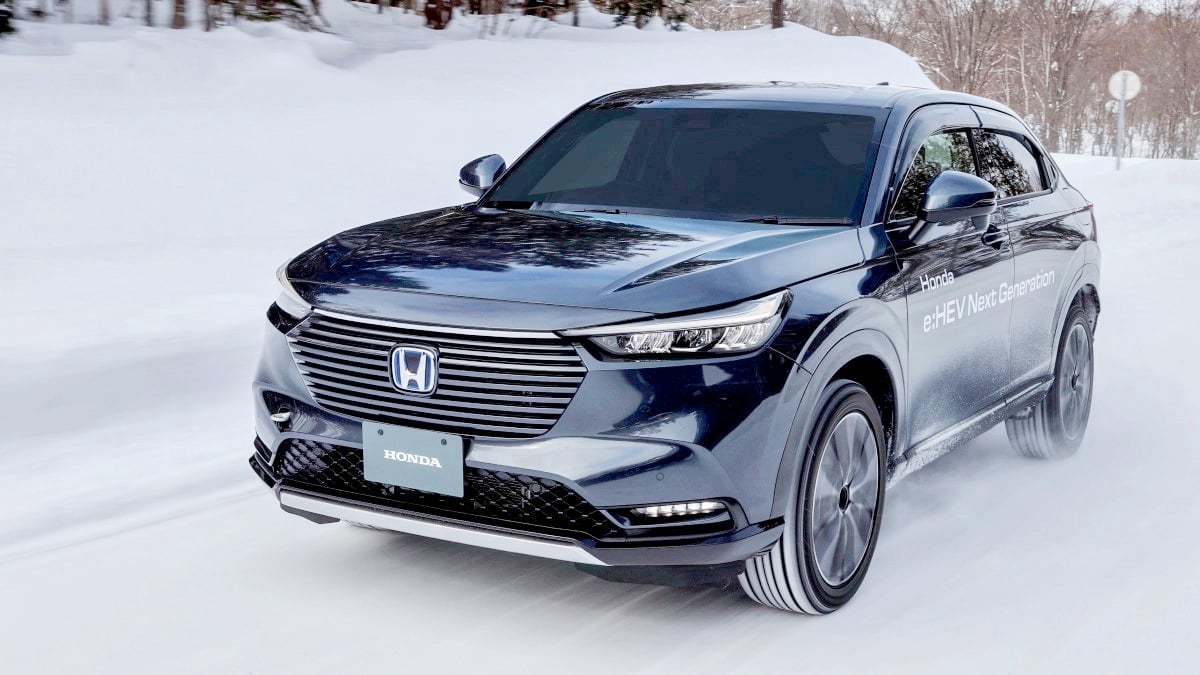
HONDA’s next-gen e:HEV features a new electric all-wheel drive system designed for better traction, handling and driving response.
Photograph courtesy of HONDA
Text size
HONDA’s next-gen e:HEV features a new electric all-wheel drive system designed for better traction, handling and driving response.
Photograph courtesy of HONDA
Honda has unveiled details of its next-generation e:HEV system, bringing electric all-wheel drive (AWD) technology into the mix to deliver a more refined, stable, and responsive driving experience. The new system is designed not just to improve fuel efficiency and reduce emissions but to better connect the vehicle to the driver’s inputs, especially under varying road conditions.
At the heart of the update is a newly developed electric rear drive unit. Unlike traditional mechanical AWD setups that rely on a propeller shaft to distribute engine torque to the rear wheels, the new system uses an electric motor to directly power the rear. This results in stronger acceleration from a standstill and sharper response when grip levels change, like on wet or uneven roads.
Honda says the new setup is suitable for small- to mid-sized vehicles and uses a 50-kilowatt-class motor to assist with torque delivery. It replaces the older center tunnel design used to house the propeller shaft, allowing for a flatter cabin floor. This not only benefits rear seat comfort but frees up cargo space, as the battery pack can now be moved under the seat instead of taking up trunk room.
The electric AWD also builds on Honda’s experience with mechanical AWD systems by allowing smarter front-rear torque distribution. When the vehicle accelerates or climbs an incline, more power is sent to the rear wheels to match the load shift. During braking, regenerative braking is added to the rear wheels to smooth the vehicle’s pitch and boost energy recovery. In cornering, more rear-wheel torque helps the car turn with better balance and control.
To further support traction and stability, Honda has developed a new Traction Control System (TCS) that uses separate ECUs for the front and rear motors. This enables faster, more accurate detection of wheel slip and more targeted control. Unlike the previous system, which reduced power to both axles when slip was detected, the new setup only cuts power to the slipping wheel. This preserves forward momentum and keeps the vehicle composed, especially useful when climbing slick surfaces.
The combined result, Honda says, is a system that reacts smoothly to changing road surfaces and driving inputs. During cornering on winding roads, the system uses regenerative braking at the rear to stabilize the vehicle and improve steering response. As the car exits a turn, torque to the rear increases again, making acceleration feel more natural and confident.
This next-generation e:HEV drivetrain is part of Honda’s broader push to electrify its lineup while keeping the driving experience front and center. The company says the new system will help ensure smoother, more stable, and enjoyable drives.
Housing is probably the biggest issue affecting people the world over.
Malacañang on Monday called for a more thorough investigation into the questioned flood control projects in Taguig…
The defense on Monday backed the move by senator-judges to exclude a prosecution witness who testified on the firearms…
