




May inflation slows to 1.3%
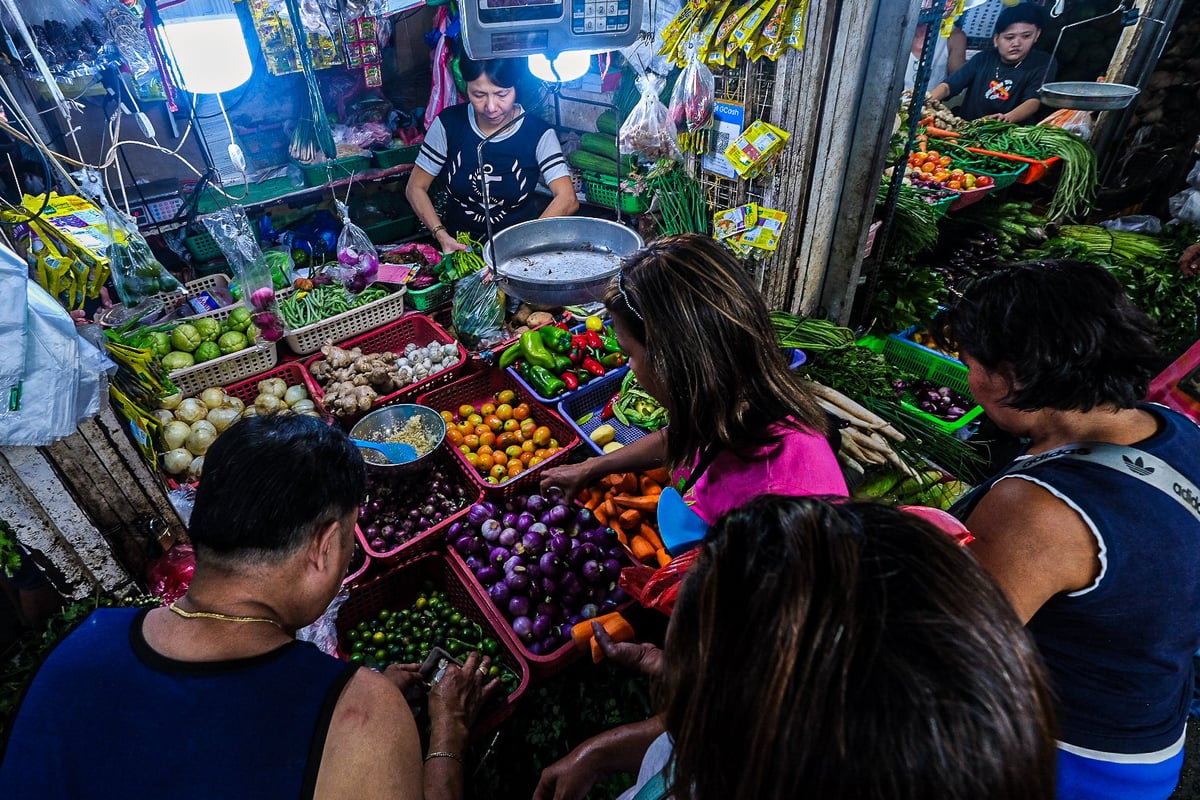
Inflation last May slowed to 1.3 percent from 1.4 percent in April, hitting its lowest level in more than five years as prices of housing, utilities and fuels fell.
The Philippine Statistics Authority reported Thursday that the May inflation rate was slightly higher than the 1.2 percent recorded in November 2019.
The new figure also fell within the Bangko Sentral ng Pilipinas’ forecast range of 0.9 to 1.7 percent.
The biggest price drops were seen in housing, water, electricity, gas and other fuels, which declined by 2.3 percent from 2.9 percent in April. Transport prices also decreased to 2.1 percent from 2.4 percent.
Similarly, restaurant and accommodation services posted a slower inflation rate of 2 percent, down from 2.3 percent.
National Statistician and Civil Registrar General Claire Dennis Mapa said cheaper restaurant prices were partly driven by easing rice prices, which fell more sharply — by 12.8 percent — compared to the 2.3 percent increase in January.
As of May, the commodity’s average inflation had slowed by 7.7 percent.
Mapa said rice prices are likely to continue falling as the government maintains the P20-per-kilo rice program for vulnerable and underprivileged groups, including senior citizens, conditional cash transfer beneficiaries, and single parents. The subsidized rice is sold at Kadiwa Centers.
He said regular market vendors also helped bring down rice prices, offering regular-milled rice at P43.14 per kilo, down from P51.11 per kilo year-on-year. Well-milled rice was sold at P49.45 per kilo, compared to P56.60 per kilo a year earlier.
Mapa said the cheaper rice contributed to reducing overall inflation for the poorest households to 0 percent, down from 5.3 percent year-on-year.
Lower month-on-month inflation rates were also recorded in the Soccsksargen Region, the Bangsamoro Autonomous Region in Muslim Mindanao, and Northern Mindanao.
However, food inflation nationwide remained steady at 0.7 percent in May compared to the previous month, due to elevated prices of meat and slaughtered animals, fish and other seafood, dairy products and eggs.
The Department of Economy, Planning and Development said the Department of Agriculture continues to expedite pig vaccinations against African swine fever to prevent price hikes from supply shortages.
Housing is probably the biggest issue affecting people the world over.
Malacañang on Monday called for a more thorough investigation into the questioned flood control projects in Taguig…
The defense on Monday backed the move by senator-judges to exclude a prosecution witness who testified on the firearms…
