
Beyond exercise: The power and precision of physical therapy
It plays a crucial role in stroke recovery, rehabilitation after surgery, balance training for seniors, and even pulmonary and cardiac rehabilitation.


Not long ago, I found myself struggling to reach for a book on a shelf or getting my doctor’s coat on without wincing in pain. I brushed it off at first — just a stiff shoulder, I thought. It would go away. But weeks passed, and my range of motion grew worse, not better. I finally admitted to myself I had adhesive capsulitis — better known as frozen shoulder. I was told that disuse had led to this problem, and that I had to get it moving again. So I tried to do it on my own, and it wasn’t getting better. The real turning point came not from pain relievers or home remedies, but from physical therapy.
Physical therapy (PT) is often misunderstood as just a fancy name for guided exercise. Neither does it entail having someone just moving your body for you, or getting a massage with something like an ultrasound machine. It is far more than that. While both PT and regular exercise can improve strength and mobility, physical therapy is a targeted, medically-informed process designed to address specific dysfunctions, injuries, or chronic conditions. It blends science, movement, and hands-on techniques to restore a person’s physical function in a way exercise alone cannot.
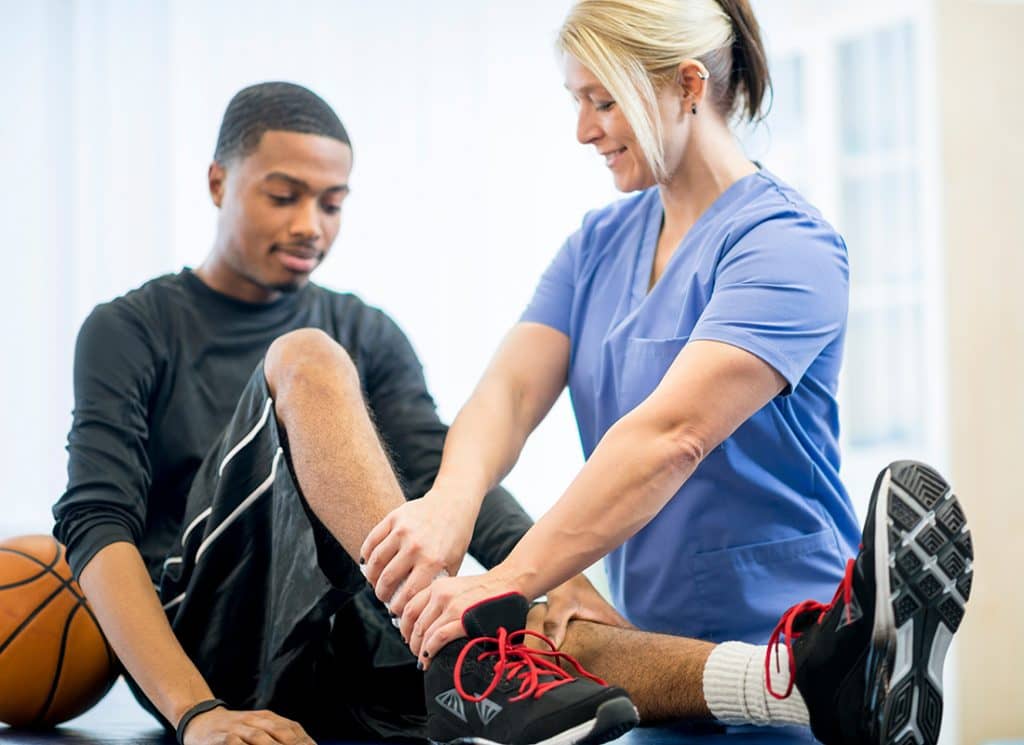
Athletes rely on it to recover from injuries and return to peak performance.
PHOTOGRAPHS COURTESY OF UNSPLASH
What makes physical therapy different?
First, physical therapists are licensed healthcare professionals trained to evaluate, diagnose and treat movement disorders. They don’t just lead you through stretches and repetitions; they assess your posture, gait, muscle imbalances and the underlying mechanics that might be contributing to your pain or disability. A physical therapy plan is customized, much like a medical treatment protocol, and evolves as the patient progresses.
In contrast, general exercise routines — whether at the gym or from online videos -— are designed for overall fitness. They don’t necessarily account for injuries, recovery timelines, or the biomechanics of healing. In some cases, the wrong exercises can even worsen a condition.
Frozen shoulder is a textbook example of how physical therapy can make a profound difference. This condition causes the shoulder capsule to become thickened and tight, leading to pain and severe restriction of movement. Left untreated, it can take years to resolve. But with consistent, guided therapy, many people regain normal function much sooner.
In my case, my therapist explained the stages of the condition — freezing, frozen and thawing — and crafted a plan to match. Early on, we focused on gentle passive stretching to maintain motion without aggravating inflammation. Later, we transitioned into active stretches and strength-building to reclaim what was lost. Each session was carefully monitored, ensuring I didn’t overdo it.

Frozen shoulders.
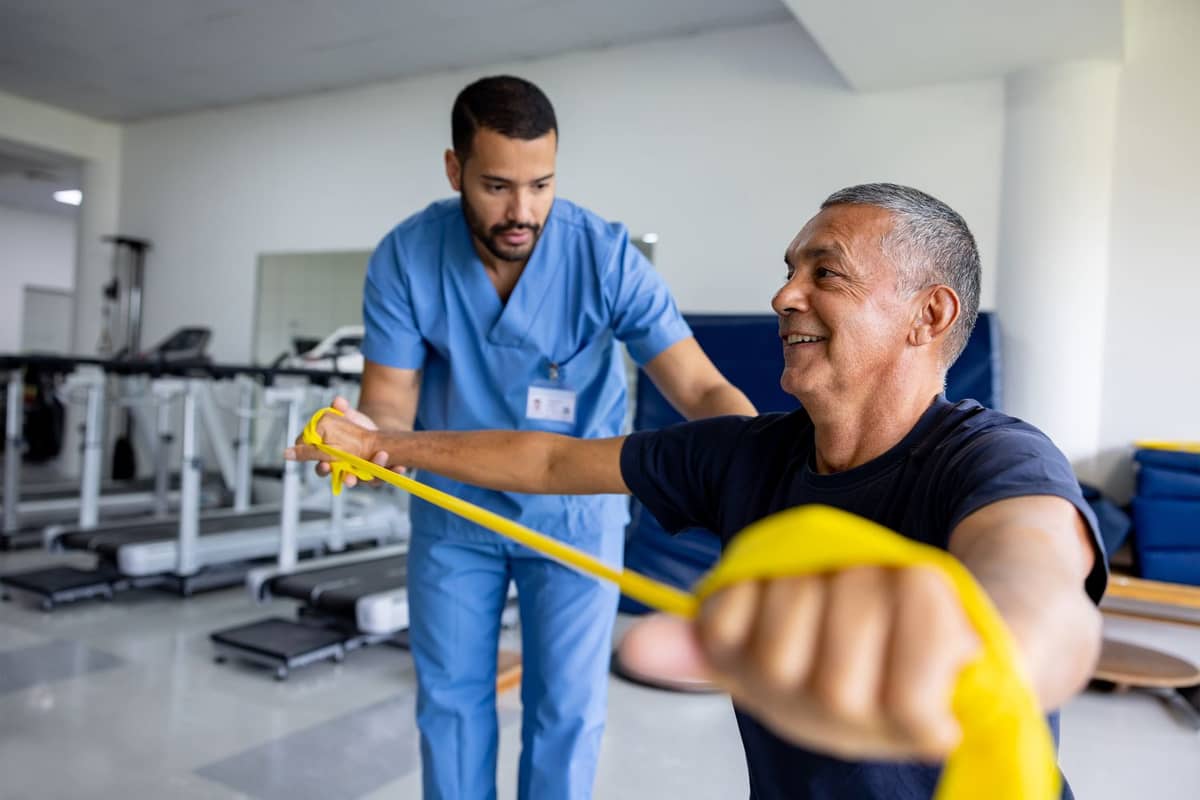
Physical therapists are licensed healthcare professionals trained to evaluate, diagnose and treat movement disorders.
The broader benefits of physical therapy
The scope of physical therapy extends far beyond joint issues like mine. It plays a crucial role in stroke recovery, rehabilitation after surgery, balance training for seniors, and even pulmonary and cardiac rehabilitation. Athletes rely on it to recover from injuries and return to peak performance. Office workers with chronic neck and back pain often find long-term relief through posture correction.
What makes PT especially empowering is that it teaches patients to be active participants in their recovery. You’re not just given pills or passive treatments — you’re taught how to move better, protect your body and build resilience.
My journey with frozen shoulder was humbling. As a doctor, I pride myself on understanding the human body — but it took a skilled physical therapist to show me how mine needed to heal. It wasn’t just about getting my shoulder back in motion again. It was about reclaiming confidence, strength, and independence —- things we often take for granted until they’re compromised.
So the next time you or a loved one are dealing with lingering pain, reduced mobility, or the aftermath of surgery, don’t just “walk it off” or rely on exercise alone. Consider physical therapy not as a last resort, but as a cornerstone of recovery. You might just find, as I did, that healing comes not only through motion, but through intentional, guided, and expert-led motion.