




Rescue hopes fading three days after deadly Myanmar quake
Text size
Share
Share
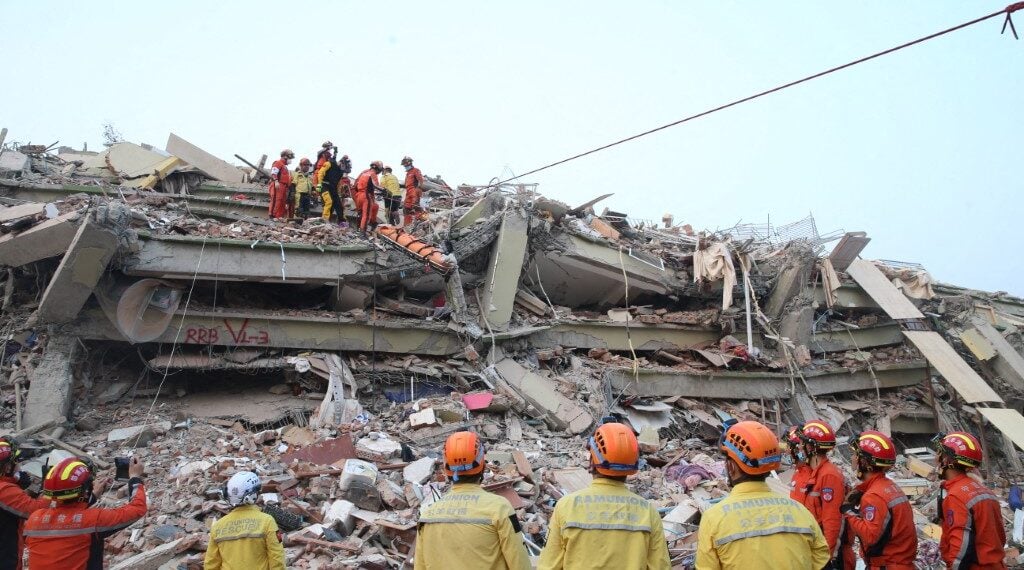
Mandalay, Myanmar (AFP) — Hopes faded Monday of finding more survivors in the rubble of Mandalay, where some residents spent a third night sleeping in the open after a massive earthquake killed more than 1,700 people in Myanmar and neighboring Thailand.
The tempo and urgency of rescue efforts was winding down in the central Myanmar city of more than 1.7 million people, one of the worst affected by Friday’s devastating 7.7-magnitude quake.
Overnight, people camped out in the streets across Mandalay, either unable to return to ruined homes or nervous about the repeated aftershocks that have rattled the city over the weekend.
Some had tents but many, including young children, simply bedded down on blankets in the middle of the roads, trying to keep as far from buildings as possible for fear of falling masonry.
More than 1,700 people are confirmed dead across Myanmar, according to the ruling junta, which has declared a week of mourning.
Thousands more were injured and over 300 remain missing.
At least 18 deaths have been confirmed hundreds of kilometers away in Bangkok, where the force of the quake caused a 30-story tower block under construction to collapse.
But with communications down in much of Myanmar, the true scale of the disaster has yet to emerge and the death toll is expected to rise significantly.
Mandalay’s 1,000-bed general hospital has been evacuated, with hundreds of patients being treated outside.
With temperatures forecast to hit 40 degrees Celsius on Monday, patients lay on gurneys in the hospital car park, many with only a thin tarpaulin rigged up to shield them from the fierce tropical sun.
