
Debunking common myths about the Thyroid
It is important to understand that thyroid disorders often result from a combination of factors rather than a single cause.

As an endocrinologist, I encounter countless misconceptions about the thyroid gland. This small, butterfly-shaped organ in the front of the neck, just above the collarbone, plays a critical role in producing thyroid hormone, a substance that controls metabolism. Despite its importance, the thyroid is surrounded by myths that can lead to unnecessary fears or mismanagement of thyroid conditions. Let’s address and throw light on some of these myths.
Myth #1: A goiter always means cancer
A goiter is any enlargement of the thyroid gland. While some thyroid nodules can be cancerous, the majority are benign. Thyroid function is often normal in patients with goiters, and many individuals experience no symptoms other than a visible bulge in the neck. Diagnostic tools like neck ultrasounds and fine-needle aspiration biopsies are used to determine the nature of the nodule.
Myth #2: Shouting, singing, or lifting heavy objects causes goiters
Contrary to popular belief, physical activities such as shouting, singing, or lifting heavy objects do not cause goiters. Similarly, drinking cold water, straining during childbirth, or engaging in strenuous activity does not lead to thyroid enlargement. The most common cause of goiters worldwide is iodine deficiency, as iodine is a crucial component of thyroid hormone production. In regions where iodine deficiency is rare, goiters are often linked to autoimmune conditions like Hashimoto’s thyroiditis or Graves’ disease, where the immune system mistakenly attacks the thyroid gland.
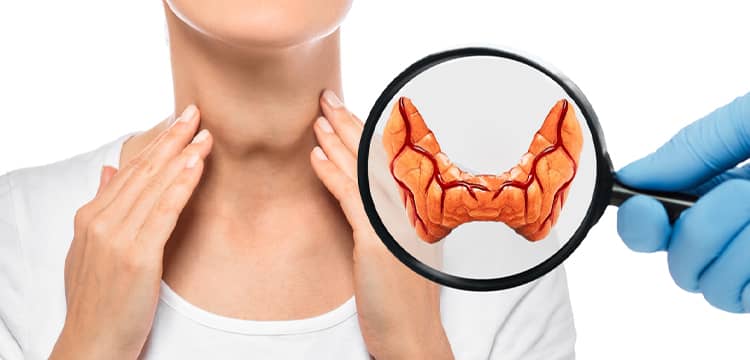
Thyroid problems are more common than people realize.
Photograph Courtesy of happy mammoth
Myth #3: Thyroid problems are rare
Thyroid disorders are more common than many people realize, affecting millions worldwide. Conditions like hypothyroidism (low thyroid hormone levels) and hyperthyroidism (high thyroid hormone levels) can significantly impact quality of life. Symptoms of hypothyroidism include weight gain, fatigue, constipation, and feeling cold, while hyperthyroidism is associated with weight loss, palpitations, sweating, and feeling warm. Both conditions are manageable with proper diagnosis and treatment.
Myth #4: Thyroid disorders are caused by diet alone
While diet plays a role in thyroid health, it is not the sole factor. Iodine deficiency, a leading cause of goiters in some parts of the world, can be addressed by consuming iodized salt or iodine-rich foods like seafood. However, autoimmune diseases, genetic predisposition, hormonal changes (such as during pregnancy or menopause), and certain medications can also contribute to thyroid problems. It is important to understand that thyroid disorders often result from a combination of factors rather than a single cause.

Surgery is not always necessary for thyroid conditions.
pHOTOGRAPH COURTESY OF UNSPLASH/JC GELLIDON
Myth #5: Surgery is always required for thyroid problems
Surgery is not always necessary for thyroid conditions. Treatments depend on the specific diagnosis. For example, hyperthyroidism can be managed with medications, radioactive iodine therapy, or, in some cases, surgery. Similarly, hypothyroidism is treated with lifelong thyroid hormone replacement therapy, which is safe and effective when taken as prescribed. Surgical intervention is typically reserved for cases where a goiter causes difficulty swallowing or breathing, or if cancer is suspected or confirmed.

Surgical intervention is typically reserved for cases where a goiter causes difficulty swallowing or breathing, or if cancer is suspected or confirmed.
PHOTOGRAPH COURTESY OF SOUTH GEORGIA MEDICAL CENTER
Myth #6: All thyroid cancers are aggressive
While the word “cancer” often invokes fear, most thyroid cancers, especially papillary thyroid carcinoma, are slow-growing and highly treatable. Early detection and appropriate treatment often lead to excellent outcomes. Unlike many other cancers, most thyroid cancers require minimal therapy and respond well to treatment, often requiring only surgery and, in some cases, a single dose of radioactive iodine.
Myth #7: Thyroid medications can be taken casually
For patients with hypothyroidism or those who have had their thyroid gland removed, taking thyroid hormone replacement is essential for maintaining normal metabolism. This medication should be taken first thing in the morning on an empty stomach with water. Patients should wait at least 30 minutes before eating or taking other medications to ensure proper absorption. Skipping doses or taking the medication inconsistently can lead to symptoms of hypothyroidism or hyperthyroidism, depending on the dose.
Myth #8: Thyroid disorders only affect older adults
Thyroid disorders can affect people of all ages, including children and young adults. Hormonal changes during pregnancy and menopause can trigger thyroid problems, and autoimmune thyroid diseases often emerge in younger individuals. Regular check-ups and awareness of symptoms can lead to timely diagnosis and treatment.
Understanding the thyroid gland and its disorders is key to dispelling myths and promoting proper care. If you suspect a thyroid problem, consult a doctor for accurate diagnosis and treatment. Remember, thyroid conditions are manageable, and with the right care, patients can lead healthy, active lives. By debunking these myths, we empower individuals to seek proper care and avoid unnecessary fears or misconceptions.
* Goiter Awareness Week (GAW) is observed annually during the fourth week of January in the Philippines. This observance was established by Presidential Proclamation No. 1188, signed on 11 December 2006, to raise public awareness. This year, Goiter Awareness Week is scheduled from 22 to 28 January.
The Department of Health leads the observance, coordinating with organizations such as the Philippine College of Endocrinology, Diabetes and Metabolism (PCEDM) and the Philippine Thyroid Association (PTA) to promote education and preventive measures related to thyroid health.