
FRENCH INNOVATIONS: Paris Games embrace mindfulness, artificial intelligence
‘Seventy percent of Olympians only get one Olympic experience. We want to try and make sure this is the best experience they could possibly have.’


KNOWN as the ‘Olympium,’ the Athletes Village of the Paris Olympics will feature 495 rooms with a capacity of 550 beds and will accommodate the basketball and handball teams.
DENIS CHARLET/AGENCE FRANCE-PRESSE
PARIS, France (AFP) — Three years after gymnastics superstar Simone Biles put the mental health of athletes at the Tokyo Olympics, this year’s Paris Games will demonstrate how greater awareness has translated into better care and support.
Biles famously pulled out of most of her events in Tokyo mid-Games after struggling with mental health problems and the “twisties,” a disorienting feeling while in mid-air that is known to affect some gymnasts.
In the run-up to the start of Paris 2024 on 26 July, local organizers, the International Olympic Committee (IOC) and international sports federations have been keen to stress that lessons have been learned.
“Seventy percent of Olympians only get one Olympic experience. We want to try and make sure this is the best experience they could possibly have,” Head of Safe Sport at the IOC, Kirsty Burrows, told AFP.
For the first time ever at an Olympics, competitors in Paris will have access to a “mindfulness and relaxation area” above the main gym in the village, called the “365 Athlete365 Mind Zone.”
Competitors will be offered virtual reality headsets for meditation, sleep pods, and even art activities, all in a low-lighting environment designed to be soothing and quiet.
“It’ll be very zen, like a futuristic spa,” Burrows added.
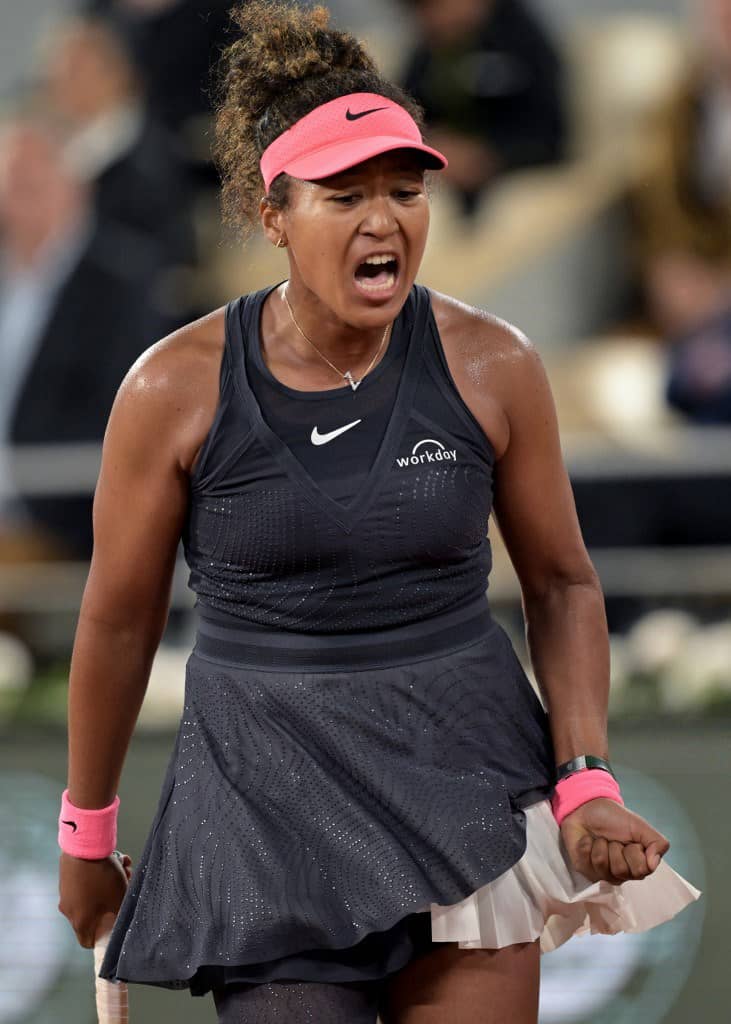
NAOMI Osaka has been battling depression and anxiety in the past few years of her professional career.
BERTRAND GUAY/AGENCE FRANCE-PRESSE
Also in the village, athletes will have an alcohol-free bar and social areas to help them kick back, as well as guides on how to maintain good mental hygiene by avoiding too much time on screens.
“In the same way that no athlete would think of stuffing themselves with burgers and sweets before a competition, it’s not good to stuff yourself with videos on social networks by binge-watching TikTok or Instagram,” Paris 2024 health coordinator Laurent Dalard told reporters in March.
A mental health helpline in 70 languages will also be available to all Olympic and Paralympic athletes.
Around 90 national sporting teams will bring their own mental health welfare officers, using a new type of Games accreditation which has only been available since the Beijing Winter Olympics in 2022, Burrows said.
Research suggests that elite sports people suffer from mental health disorders in around the same proportions as the general population, experts say.
But Dalard stressed that they were “more vulnerable to situations such as anxiety disorders or depression, given their complicated lives and the intense pressure they face.”
According to Marion Leboyer, a psychiatrist and founder of FondaMental, a French research foundation, “around one athlete in three experiences symptoms of a mental health problem.”
Long a taboo subject, many of them are now opening up about their struggles, thanks to the revelations of stars such as Biles, Japanese tennis player Naomi Osaka or Australian swimmer Ian Thorpe.
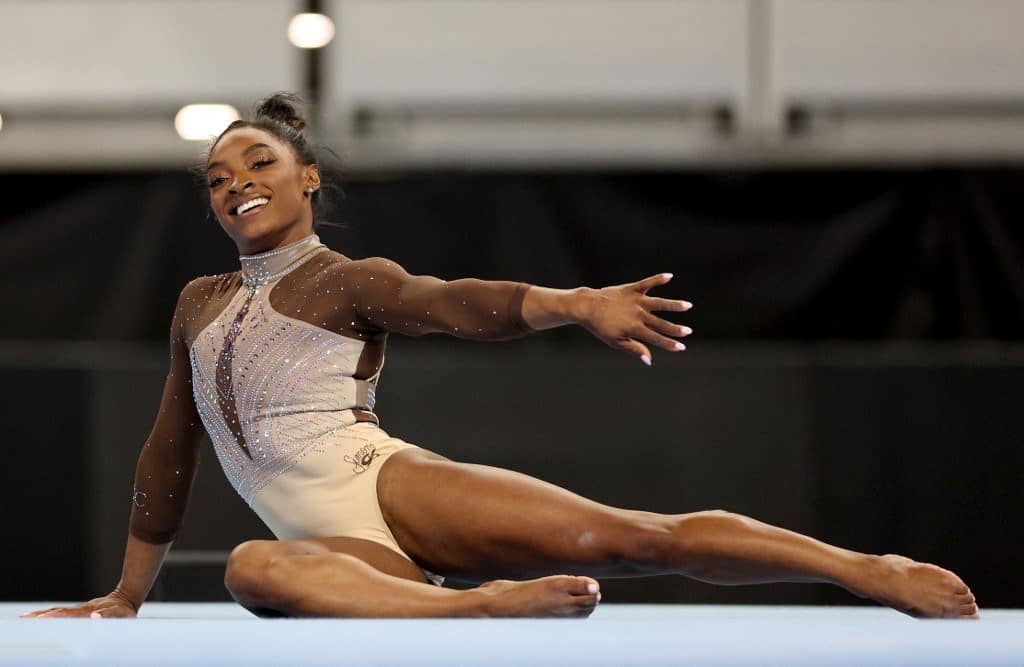
SIMONE Biles’ struggle in the Tokyo Olympics prompted Paris Olympics organizers to come up with measures on how to protect the mental health of competitors.
ELSA/AGENCE FRANCE-PRESSE
That has trickled down into lesser-known sports.
Slovenian champion rock climber Janja Garnbret, who won the gold in the Tokyo Olympics, has denounced the problem of anorexia in the climbing community where being lightweight is an advantage.
“Do we want to raise the next generation of skeletons? Brittle hair, dull expressions, trying to show everyone you are ok but are you really?” she asked in an Instagram post last July.
Under pressure, the International Climbing Federation announced health checks for competitors to help identify at-risk climbers.
More recently in host nation France, multi-gold medalist Marie-Jose Perec revealed more about her shock decision to abandon the Sydney Olympics in 2000.
“Everyone could see that things weren’t ok, but no-one understood,” the sprinter told the Tribune newspaper.
Her departure garnered little sympathy in Australia where one national newspaper dubbed her “Mademoiselle la chicken” on its front page.
Paris 2024 will also see efforts to counter cyber-harassment and bullying taken to new AI-powered levels.
“I’m really pleased about the cybersecurity stuff around social media and athletes being trolled,” Alan Currie, a British psychiatrist who advises the IOC, told AFP.
“That’s a huge step forward because that’s a real pressure point for athletes.”
Following the example of FIFA, World Rugby and some Premier League football clubs, the IOC will team up with London-based data company Signify.ai to weed out abusive posts among the billions expected during the Games.
Signify uses artificial intelligence to monitor messages addressed to athletes on platforms such as Facebook, TikTok or X (formerly Twitter) in 35 languages, flagging potential harassment or threats.
“Anything that breaches the criminal code will be sent to law enforcement,” Burrows said.
All 15,000 athletes at the Olympics and Paralympics will be offered the service, which will be on an opt-in basis.