
Calories and the clock

During the season of Lent, many Catholics had spent 40 days practicing fasting and abstinence. Over the years, others have taken up this increasingly popular discipline during most of the year for weight loss rather than spiritual reasons.
The best way to take the weight off and to keep it off is a combination of diet, exercise and modifying one's behavior. The simplest answer is to eat less and move more. Weight loss is directly related to the difference between an individual's energy intake and energy expenditure. In other words, if you eat less and burn more calories than you consume, you will lose weight.
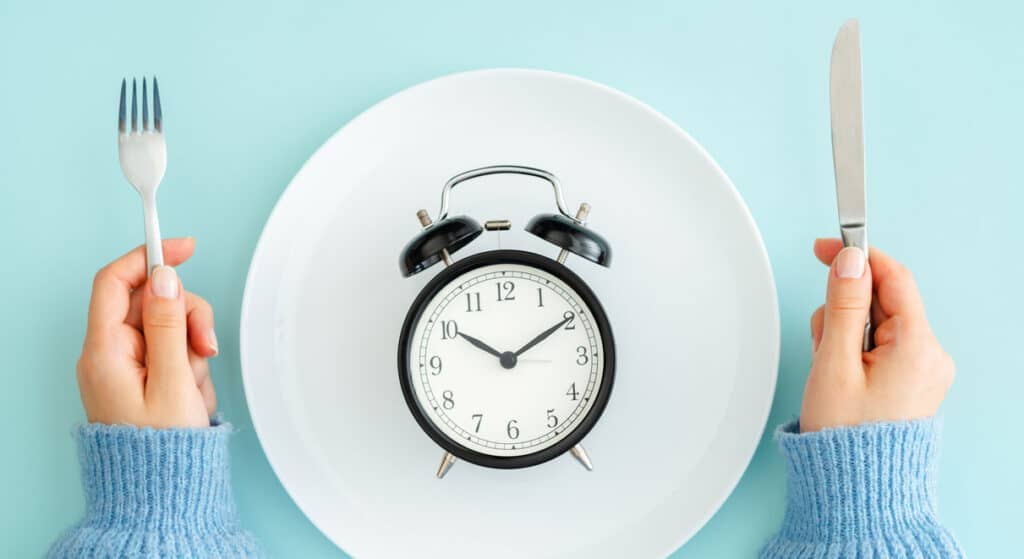
Easier said than done.
With all the diets that have come around over the years, fasting has gained traction in the past 15 years due to social media. This is known as time-restricted eating (TRE), where certain hours of the day are spent fasting, and a consistent daily window is spent eating.
The most common type of TRE is 16:8 intermittent fasting (IF), where one fasts for 16 hours, and you are allowed to eat regular meals during an eight-hour period. Another fasting approach is 5:2 which involves eating regularly five days a week and limiting the two other days to just 500–600 calories for the whole day.
Intermittent fasting supposedly works by prolonging the period when your body burns through the calories consumed during your last meal and begins burning fat. But if you go crazy and eat too much during the period where you are allowed to eat, then it still adds up to too many calories. In 16:8 IF, this would allow for two regular meals and a small snack.
Studies have shown that intermittent fasting can help with weight loss, boost memory, as well as improve blood pressure and control of diabetes. What has become more evident now is not just the number of hours spent fasting, but the timing of when you fast and eat. If we align our fasting and eating periods with our circadian rhythm, or the normal internal clock of the body, the benefits are much greater.
The reported ideal TRE intervention that can improve health, promote weight loss and improve sleep and quality of life recommends the following:

1. Get enough sleep — about eight hours.
2. Use your time in bed as a guide to determine the best 10-hour eating window. The window should start > one hour after waking and end > two hours before bedtime.
3. Avoid food for at least one hour after waking up.

4. Incorporate light to moderate outdoor exercise into your day of about 30 minutes. This can be broken down into 10-minute increments (e.g. stretching in the morning, walking mid-day and light weights later in the day).
5. Avoid bright light and any food intake two to three hours before bedtime.
6. Keep the eating window consistent.
For a weight loss program to be effective, it must entail a change in both eating habits and lifestyle, not just for a week or six months, but for always. Consistency is key to staying on track, and incorporating less restrictive periods of fasting can be beneficial.
It is also recommended to lose weight slowly, at the rate of half a pound to two pounds a week. When you lose weight slowly, you are more likely to keep it off. To lose one pound in a week, you should cut out 500 calories per day. What does 500 calories look like? It is: 2.5 cups of rice, or 2.5 16-ounce bottles of regular soda (that you really shouldn't be drinking anyway!), or four pieces of small pandesal, to give you a few examples.
If you want to try TRE or some form of fasting, discuss this first with your doctor to make sure that it is right for you, given any other health conditions you may have, as some of your medications may need to be adjusted.