
Eating for two?
During my first pregnancy, I reveled in being able to eat whatever I wanted, only to find out that when you are pregnant you are not really eating for two. At least not for two grown people!

When I was pregnant with our eldest child, I developed a type of diabetes that occurs in pregnancy, called gestational diabetes (GDM). This is diabetes that is first diagnosed in pregnancy, and it usually resolves after delivery.
GDM is diagnosed by taking an oral glucose tolerance test (OGTT), usually during the sixth month of pregnancy. In this test, blood samples are drawn before and after drinking 75 grams of glucose (usually orange-flavored). The reference values used are different from those used to diagnose type 2 diabetes and only one value has to be abnormal to make the diagnosis of GDM.

When I was diagnosed, I was not yet an Endocrinologist. Later on, I learned that an OGTT should be done earlier during the pregnancy in women who are at high risk for developing GDM, such as Filipinas, those with a history of polycystic ovary syndrome (PCOS), those who are overweight or obese before pregnancy, or those whose previous baby weighed eight pounds or more at birth.
Diagnosing GDM early is important because babies of women with GDM can gain too much weight, making it difficult to have a normal delivery. There is also an increased chance of premature delivery. Babies who are born to women with GDM also have a greater chance of developing diabetes and becoming obese as they grow up.
During my first pregnancy, I reveled in being able to eat whatever I wanted, only to find out that when you are pregnant you are not really eating for two. At least not for two grown people! Managing glucose levels in GDM is really centered around a proper diet. Total calories for one day depend on your weight and activity, and breakfast should be the smallest meal of the day, not the heaviest, because our blood glucose levels already naturally go up in the morning.
Some women also tend to gain a lot of weight during pregnancy. GDM or not, weight gain should be gradual and only at a rate of about half a pound every one or two weeks, depending on the recommendation of your doctor.
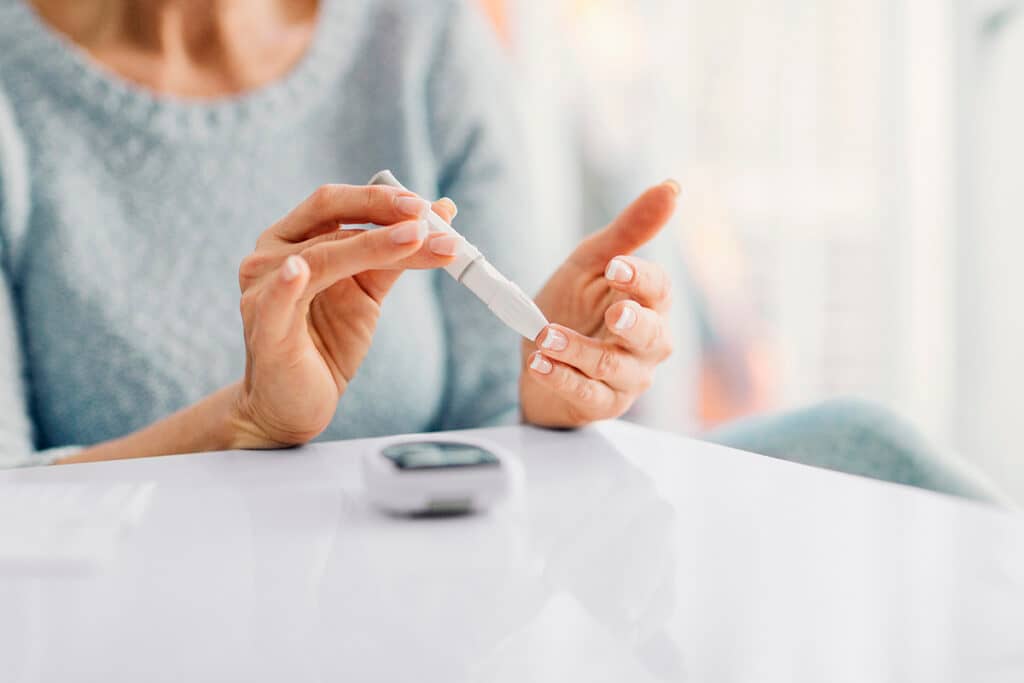
Blood glucose levels should also be measured, either by finger stick and a glucometer or continuous glucose monitoring. Testing should be done before and after meals (either one or two hours from the first bite of food), and your doctor will instruct you on how often you should be checking and what glucose levels you should target.
If diet and exercise are not enough to control glucose levels, some patients may need to take medication. About 10 to 20 percent of women with GDM need to inject insulin for blood glucose control, with insulin being effective and safe to take in pregnancy. Once the GDM is resolved, insulin is usually not needed after delivery.
Women with GDM should remember to do an OGTT again six weeks after delivery to make sure that blood glucose levels have indeed returned to normal. Half of the women who have GDM develop diabetes in the next five to 10 years, and annual testing is recommended to catch this early. To remember that you have to do this test once a year you should do it during the month of your birthday, as a birthday gift to yourself.
If you have GDM, consult with your doctor regularly, ask questions and educate yourself because the more you know, the more in control you will feel. Know that you are taking the proper steps toward taking care of yourself and your baby.
Whenever my patients with GDM start to become frustrated with the diet restrictions, finger sticks and medications, I remind them, "Eyes on the prize." Being with child is a gift, and the difficulties that were endured during the pregnancy are all worth it, once you hear the first cries of your baby and hold your precious little one in your arms.