




Migratory bird staging comeback
Seabird sanctuaries and wetland restoration helped improve the status of black-faced spoonbill to endangered from critically endangered
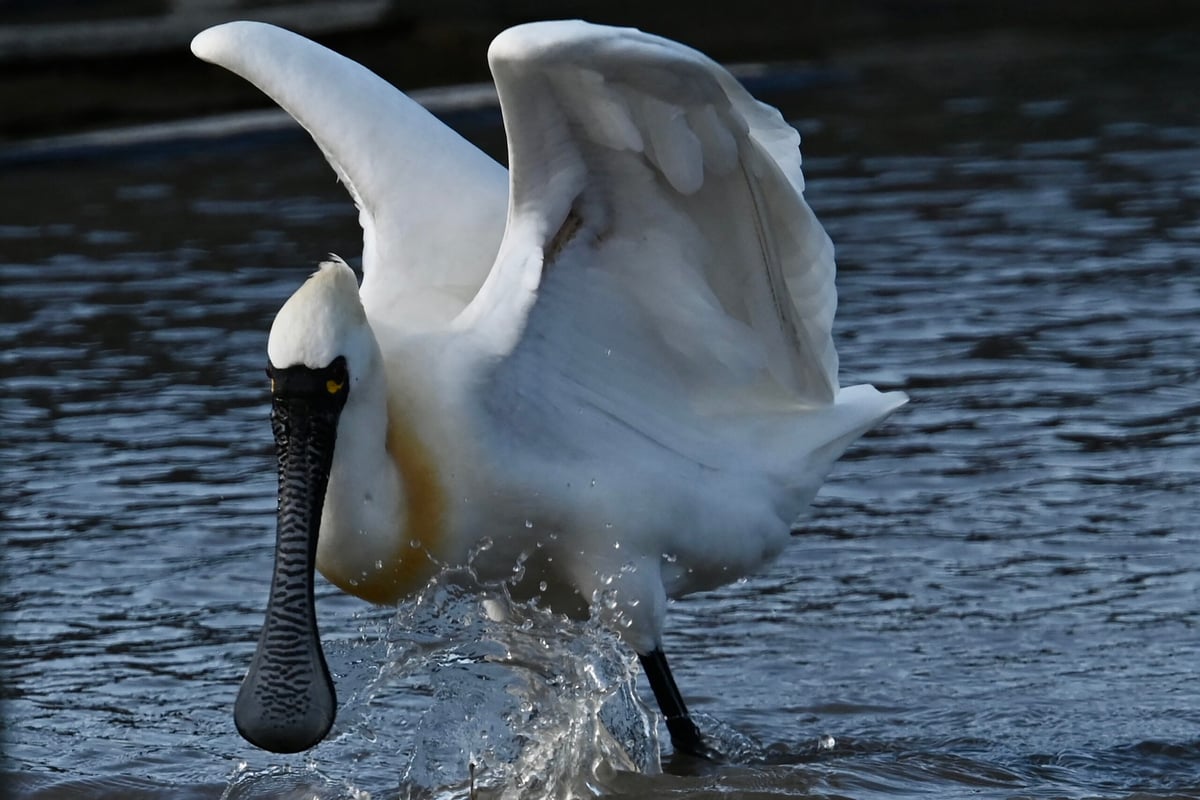
Seabird sanctuaries and wetland restoration helped improve the status of black-faced spoonbill to endangered from critically endangered
While a landmark new report on the world's threatened migratory species is a catalog of decline and destruction, the handful of animals staging a comeback shows improvement is possible — if humans change their ways.
From the majestic humpback whale launching into the air from the waves, or the thousands of snub-nosed saiga antelope fanning across the steppes of Central Asia. These sights would have been barely possible without the concerted conservation efforts that have helped these species rebuild populations.
The State of the World's Migratory Species assessment, published on 12 February, found that animals, fish, birds and reptiles listed for protection under the United Nations Convention on the Conservation of Migratory Species of Wild Animals were seeing declines across the world.
Around 70 of the threatened species saw their conservation status worsen between 1988 and 2020.
But 14 have shown an improvement, it found. One of the recovering species is the black-faced spoonbill, a migratory seabird found in the Philippines as well as in North and South Korea, China, Russia, Japan, Vietnam, Cambodia and Thailand.
Three decades after the Marcopper mining disaster devastated Marinduque’s waterways, the province is again pressing the…
Housing is probably the biggest issue affecting people the world over.
Malacañang on Monday called for a more thorough investigation into the questioned flood control projects in Taguig…
The defense on Monday backed the move by senator-judges to exclude a prosecution witness who testified on the firearms…
These white wading birds travel along a restricted migration route for breeding and wintering.
Their habitat has come under threat from growing human populations and agricultural and industrial development, while the birds face pesticide pollution, hunting, and the collection of eggs from nesting sites.
But legal protections, the designation of breeding sites as seabird sanctuaries and wetland restoration projects have all helped to improve the species' status from critically endangered to endangered.
WITH AFP
