




Old Aduana, now a prized depository and showcase of Cebu’s richness
The newly opened National Museum of the Philippines–Cebu, housed in the restored Cebu Customs House, showcases the natural and cultural heritage of the island province


Text size
The newly opened National Museum of the Philippines–Cebu, housed in the restored Cebu Customs House, showcases the natural and cultural heritage of the island province
(First of two parts)
My late dad was in the shipping industry, so he often visited El Puerto to have a word with his capitanes. As a dad's lad, I occasionally tagged along, curious on the vessels that plied the seas and beyond. Thus, I was familiar with the old Aduana, the storied Customs House, located near the Plaza Independencia in Cebu City, Cebu.
However, it was the building my siblings and I dreaded the most. On its second floor, we had our vaccines and inoculations necessary for the notorious yellow card — an internationally recognized quarantine document — to prove we had our injections to be able to travel then to foreign shores. These jabs were all accomplished sans specialized needles. Butterfly baby needles, where were you?
No matter the childhood nightmares, it was a stately grand building then and even today. The imposing structure was built by William Edward Parsons, a famed architect and city planner, admired for his landmark works in our islands during the American colonial period. He is credited for designing the Manila Hotel, the Philippine General Hospital and the Gabaldon-style school buildings. Closer to home, he designed the Cebu Provincial Capitol and the Cebu Normal School.
Little did we know that someday it would be a depository and showcase of priceless artifacts and obras of old masters, the home of the National Museum of the Philippines–Cebu, also known as the Central Visayas Regional Museum.
As a brief backgrounder, the building was originally established as the Cebu Customs House in 1910 to facilitate trade between the island of Cebu and neighboring communities. In 2004 and underutilized, it was transformed into the Malacañang sa Sugbo during the term of former President Gloria Macapagal-Arroyo. In October 2013, the historic edifice suffered damages and was rendered out-of-service due to a 7.1 magnitude earthquake, which even affected the centuries-old belfry of the Basilica Minore del Señor Santo Niño.
Luli Arroyo Bernas, then chairman of the Board of Trustees of the National Museum of the Philippines, toyed with the idea to have an NMP branch in Cebu, most specially when neighboring islands have made their mark. In December 2019, the Cebu Port Authority and NMP signed a usufruct agreement giving NMP the right to use the building as NMP-Cebu for 25 years. From 2020 to 2023, the building underwent rehabilitation and conversion as museum with funding support from the Tourism Infrastructure and Enterprise Zone Authority.
In 28 July 2023, the National Museum of the Philippines-Cebu was formally inaugurated, becoming the 16th museum of NMP and considered the largest in the Visayas region, showcasing the artistic, cultural and natural heritage of the province of Cebu. It opened to the public on 1 August, and over 2,000 visitors went.
Upon the encouragement of the chairperson of the NMP Board of Trustees Andoni Aboitiz and NMP director Jeremy Barns, I had to drop by on my next visit home. "You owe it to yourself, being a Cebuano," they said and guaranteed that it will generate a sense of pride through the presentations and collections housed in five galleries.
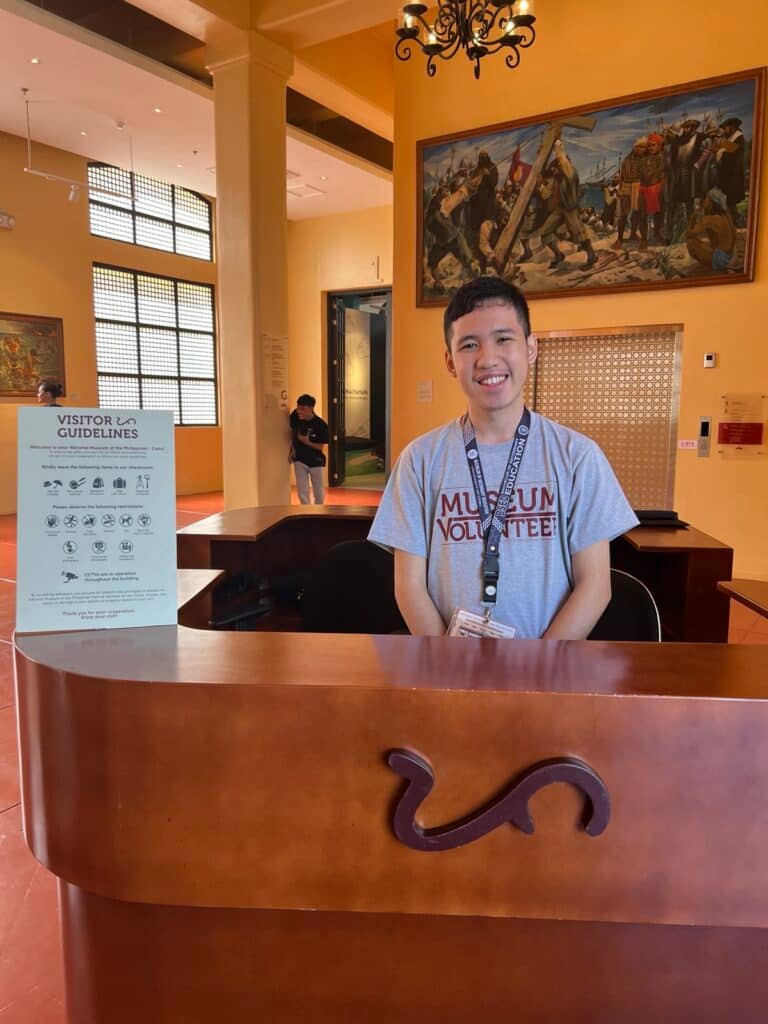
As we stepped in, we were warmly greeted by Vince Dherek Joaquin, a volunteer at the reception. A University of Cebu student of Education, the 19-year-old gentleman registered and briefed us on the museum etiquette, all with smiles and a warm demeanor. We also met Carissa Mae Remonde, an Accounting graduate from the University of San Jose-Recoletos and a knowledgeable lady who served as our guide for the day. She clearly loved her job. It was evident that she used to carry similar duties at the Cebu Provincial Tourism Office and Suroy Suroy Sugbo. Though she clued us in on what was to see, nothing still prepared us for what we were about to experience.
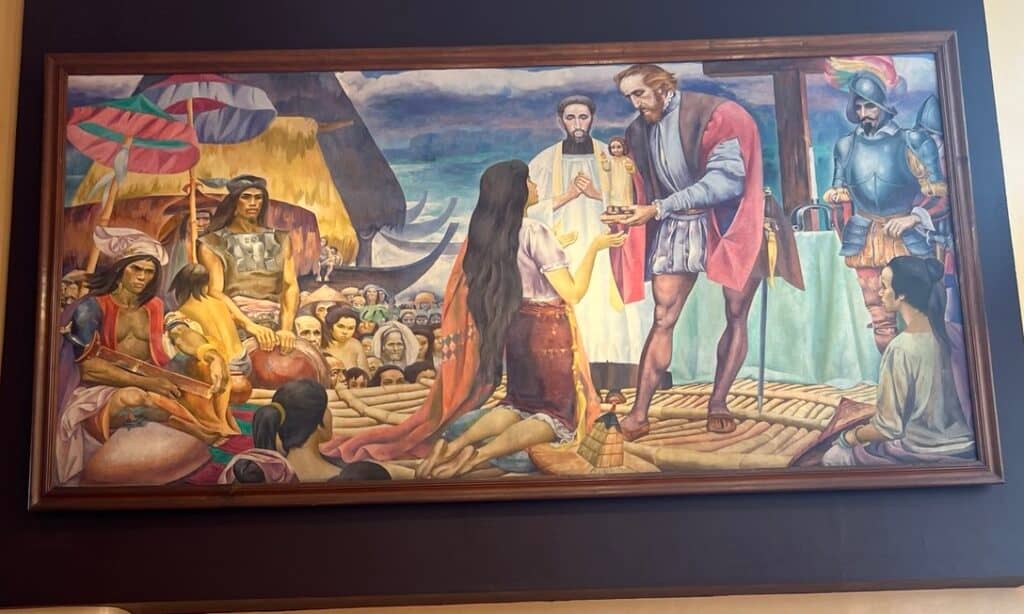
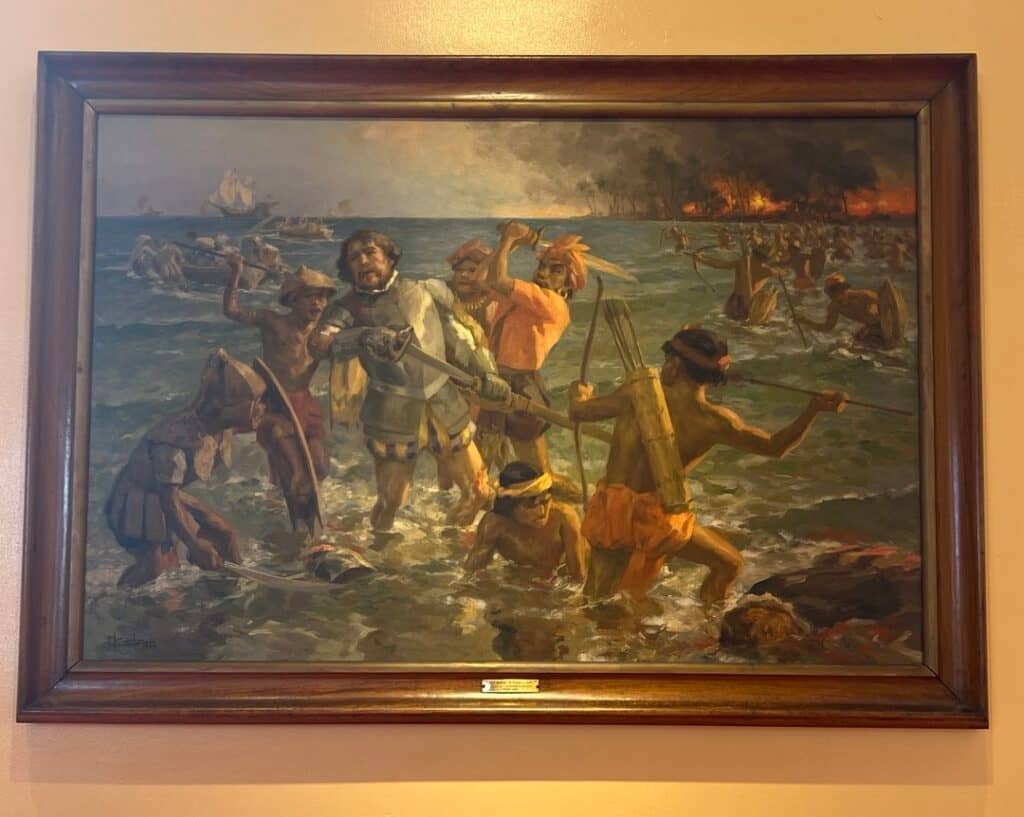
For starters is an extremely spacious area, only marked by two paintings, depictions of Cebuano history. One was Ang Wakas ni Magallanes by Fernando Amorsolo, and Presentation of the Santo Niño in Cebu by Carlos "Botong" Francisco. Both were declared as National Artists of the Philippines for visual arts on consecutive years.
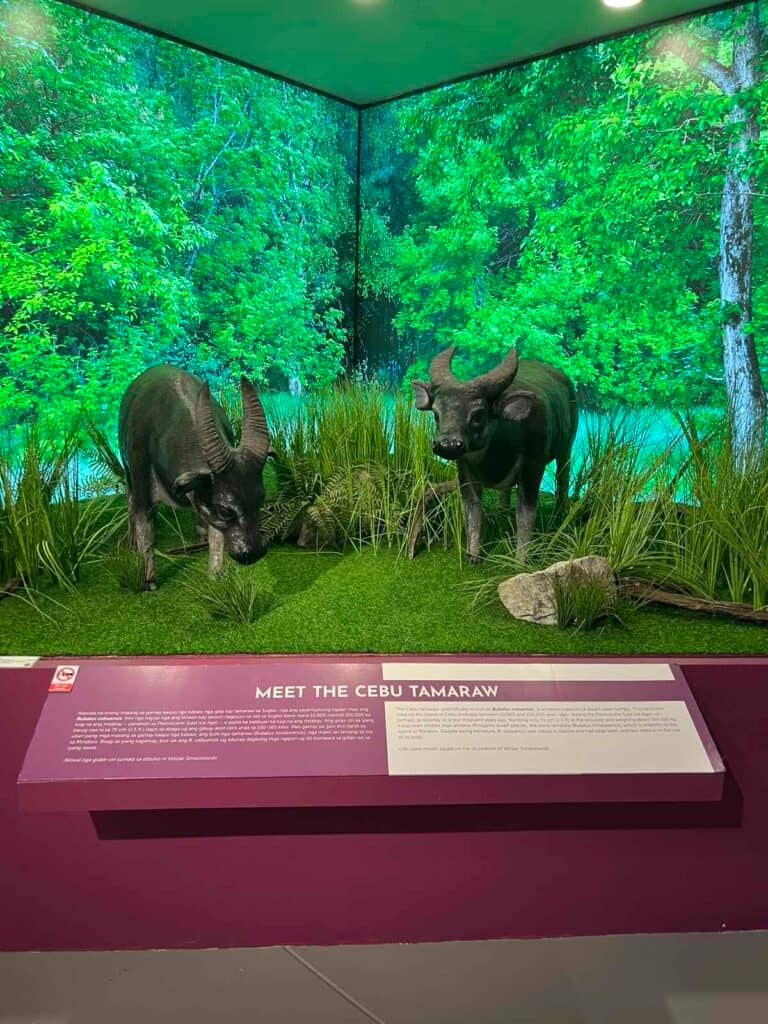
The first gallery, "Kinaiyahan: Cebu's Natural Wonders," was a tribute to the endemic species which all play a role in the island's natural diversity.
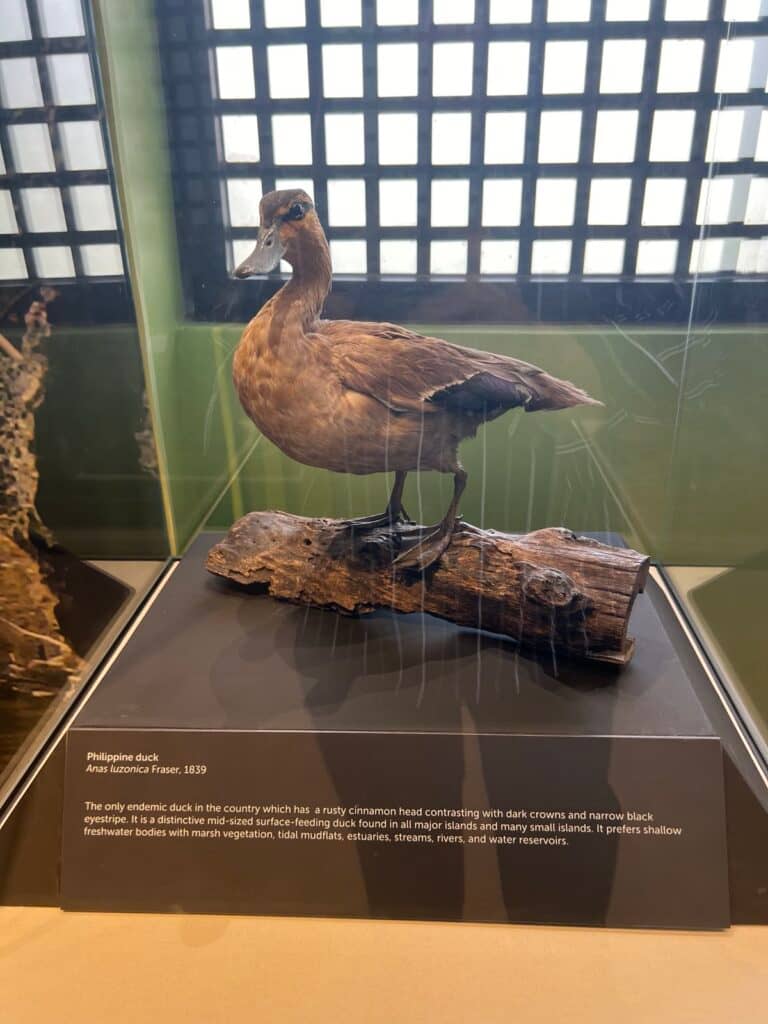
We soon learned about the Cebu tamaraw — which we recalled from elementary geography classes were exclusively found in the island of Mindoro. Another was the Philippine duck with its rusty cinnamon head and dark crowns. A rare find was the Glory of the Sea (Conus gloriamaris Chemnitz), an expensive and hard-to-find seashell which came from the municipality of Sogod. We even sighted the Cebu mistletoe, which we thought grow only in wintry foreign shores!
For the young and adventurous, there was a model of the whale shark, the largest fish in the world, suspended in midair, an endangered species which may grow up to the size of a bus. It was a popular one for Instagrammable photos!
We stumbled upon a mini-exhibit, aptly titled Mobile Museum Boxes, with its tiny suitcase-like containers, each with its own diorama and brief. Among those featured were the sea turtles or the pawikan, the Chocolate Hills of Bohol and the giant rafflesia, the world's largest flower. These cases are scheduled to be exhibited from museum to museum. And then hopefully, around the world.
The second gallery was "Ang Karaang Sugbo ug ang mga Kabiling Bahandi," which translates to "Ancient Cebu and its Archaeological Heritage." This part focuses on archaeological finds from the towns of San Remigio in the north and Boljoon in the south. Some were excavated from Plaza Independencia, which is just adjacent to Fort San Pedro.
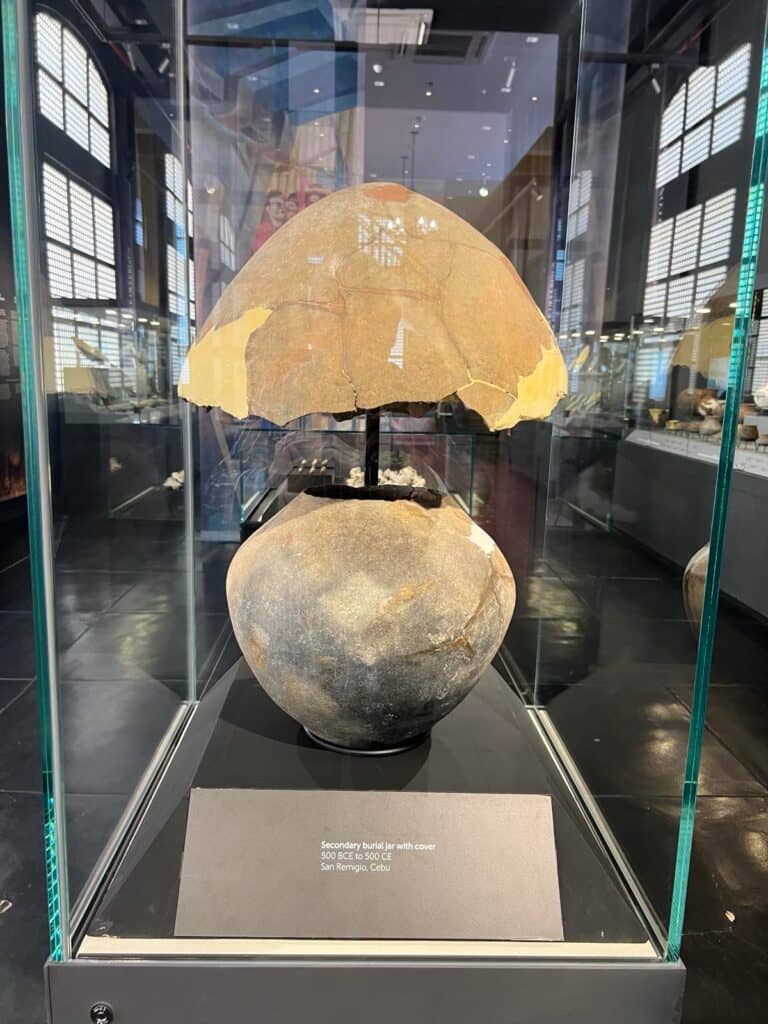
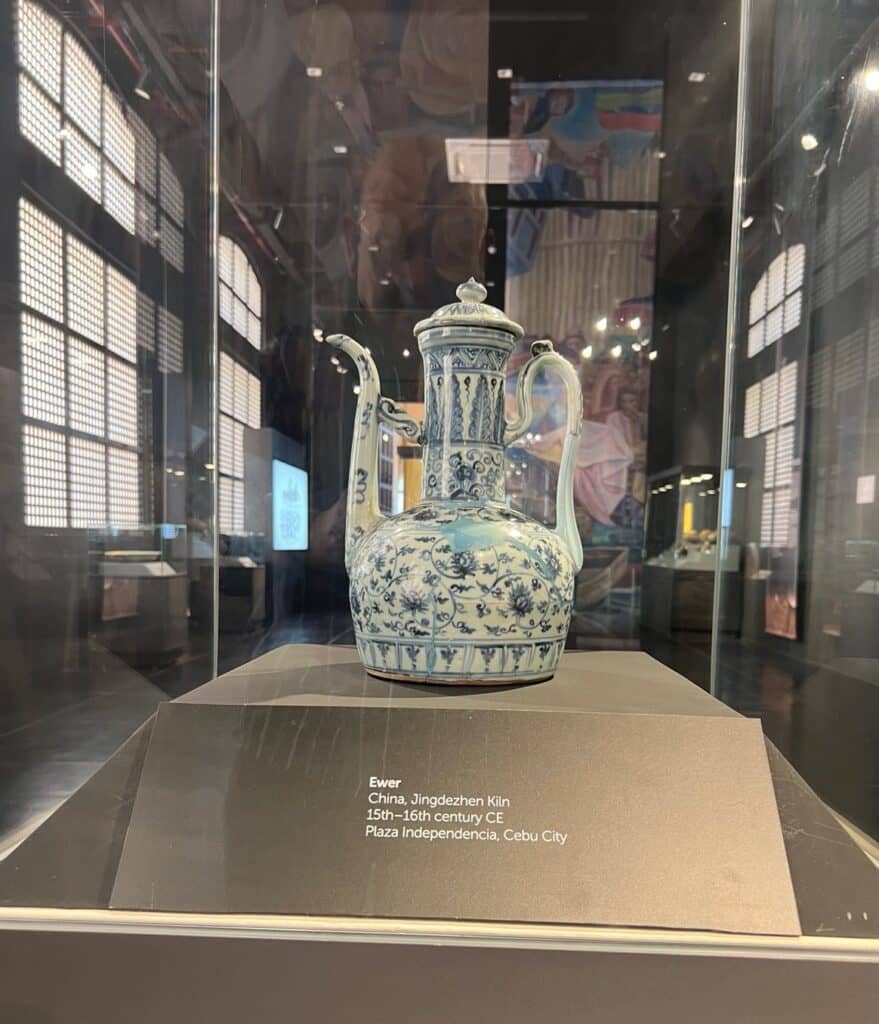
An interesting item was the secondary burial jar with its cover, dating back to 500 BCE to 500 CE. These were used to store the remains of the departed back then, like the urns of today. Another unearthed curiosity was an ewer from China, which is suspected to be from 15th to 16th Century CE. These carried and transported water, functioning as jugs.
A section of interest was "Grave Offerings," which delved into the tradition of pabawon, where one is buried with their prized possessions, such as jewelry, earthenware pots and shells. Another was "Gold Death Masks." An iconic symbol across Southeast Asia, a thin sheet of gold was utilized to cover the eyes, nose and mouth of the deceased. This practice was reserved for the elite with high social status, wealth or power. This early, we already played with the powers of gold!
Continuing this theme was a show on "Colonization," which spotlighted the relics from the graveyard church of the Patrocinio de Maria Parish Church, which still carried on the pabawon of Japanese and Chinese ceramics, despite the efforts of foreigners to convert them into a new religion.
The third gallery on the first floor was called "Paglawig: Cultural Movement Across the Seas." This highlighted the ethnographic traditions of Cebu's maritime affairs. For instance, there was a section dedicated to 13th-century maritime trade, which marked the widespread adoption of ceramics in the country.
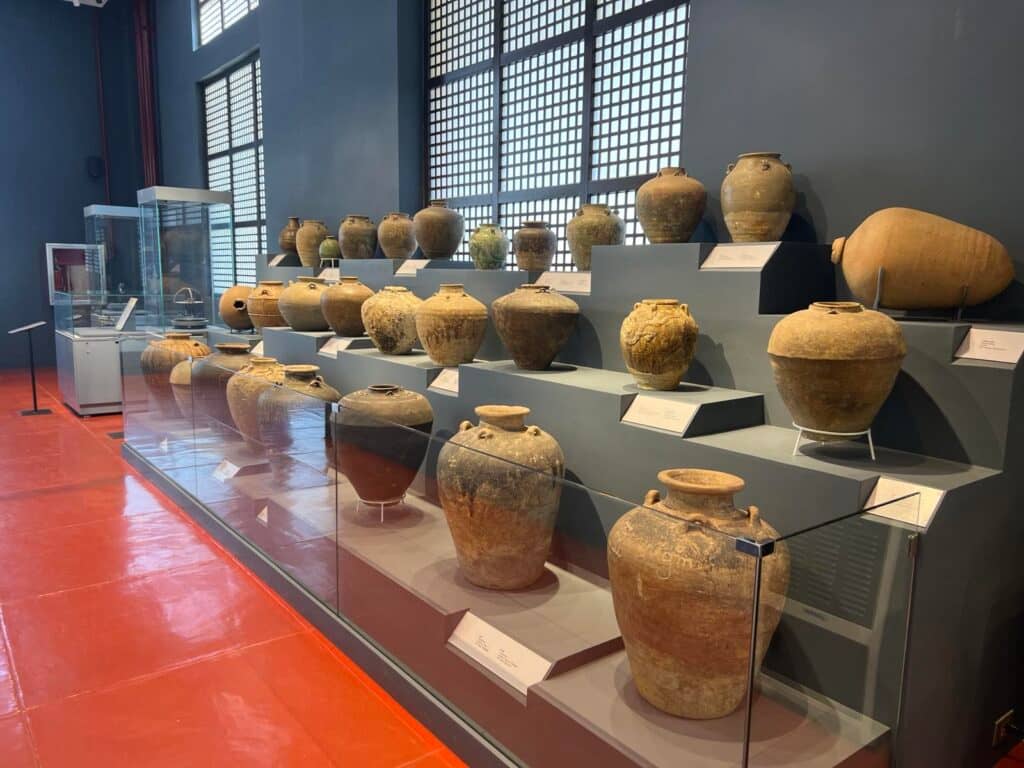
Shipwrecks from San Antonio, Breaking Reef and Investigator Shoal all carried materials from China, which signaled prosperous trade between the two territories. The 15th-century shipwreck of Pandanan, on the other hand, contained ceramics from what is now Vietnam. These were all displayed in full glory, encased in glass cabinets.
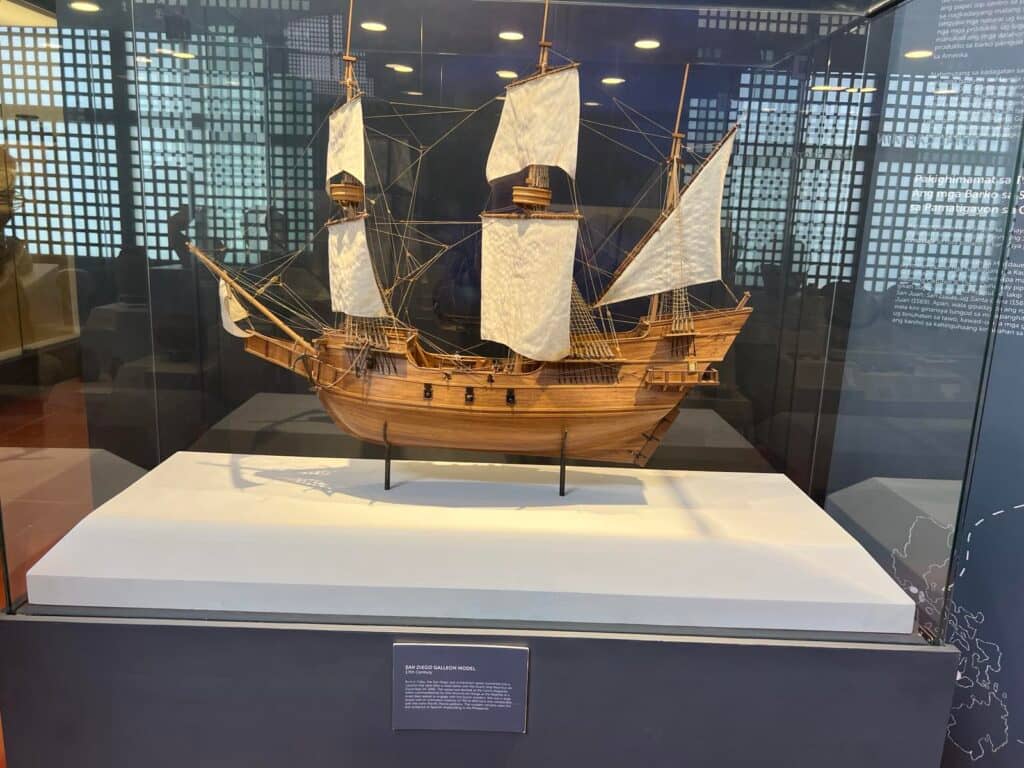
Of interest was a scale model of the San Diego Galleon, the very first to sail from Mandaue, not Manila, to Acapulco, and back. The return trip was called the tornaviaje.
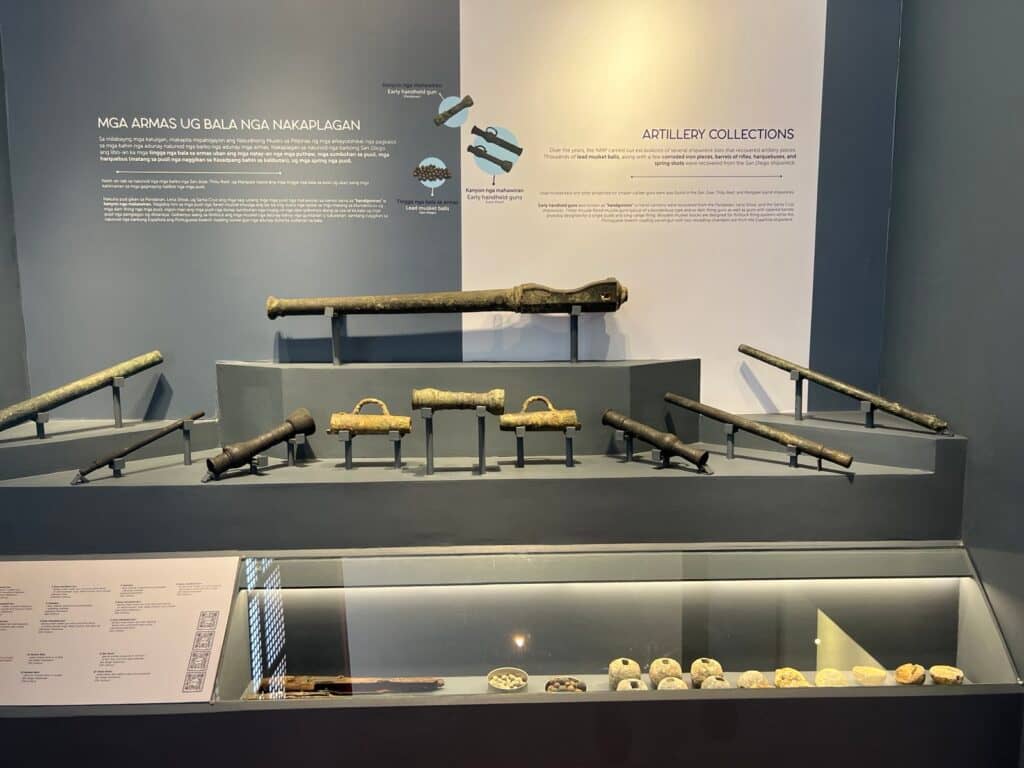
A spot was reserved for the Artillery Collection, which displayed lead musket balls, rifle barrels, harquebuses, spring shots and other handguns.
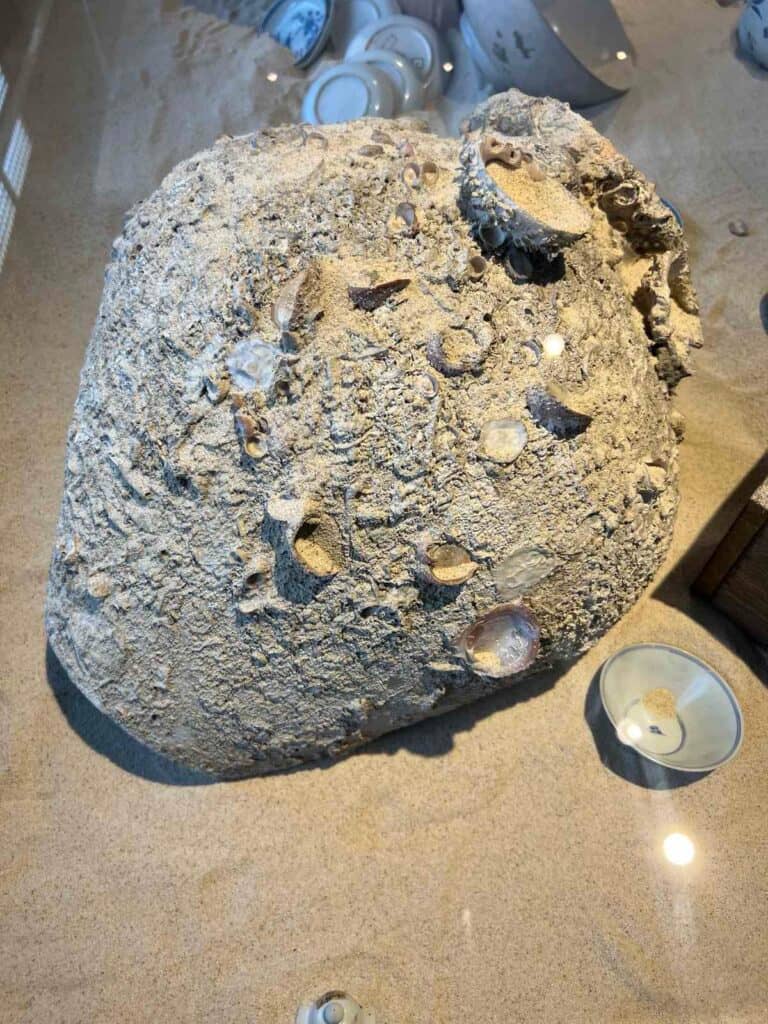
Don't miss an intriguing huge solitary jar, which nature has artfully eroded with age and has melded with shells and sand from the seas.
Finally, there were an assemblage of Barotos, non-motorized wooden boats with double outriggers, maneuvered by paddles or sails. The different evolutions — to fish, commute, race — are all encapsulated on one side.
The National Museum of the Philippines-Cebu is located at A. Pigafetta Street, Cebu City, Cebu. Entrance is free. Guided tours are likewise free, but are subject for reservations. It is open daily, from 9 a.m. to 5 p.m., except for Mondays.
(To be continued)
Singapore penalizes bad public behavior. Transport authorities in the island state announced last month that public bus…
Authorities arrested 244 foreign nationals, mostly Chinese, during simultaneous operations against suspected illegal…
The Senate impeachment court’s decision to deny former Senator Antonio Trillanes a subpoena was a consensus reached by…
