
Weeklong Shariff Kabunsuan Festival 2022 concludes with fluvial parade

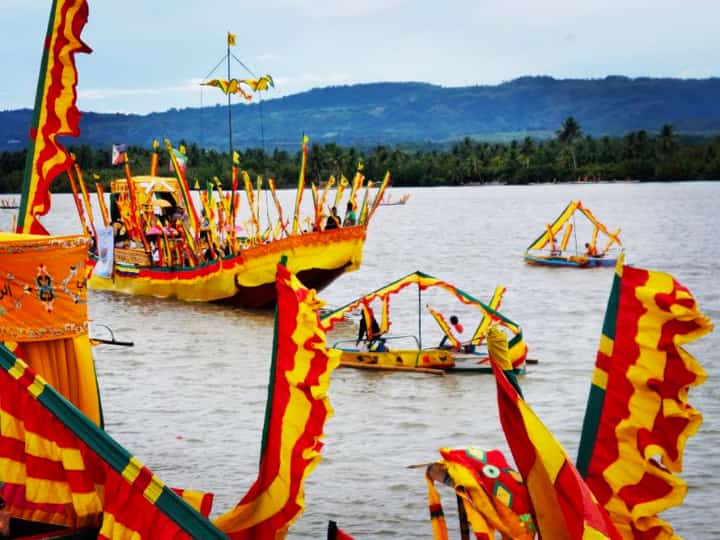
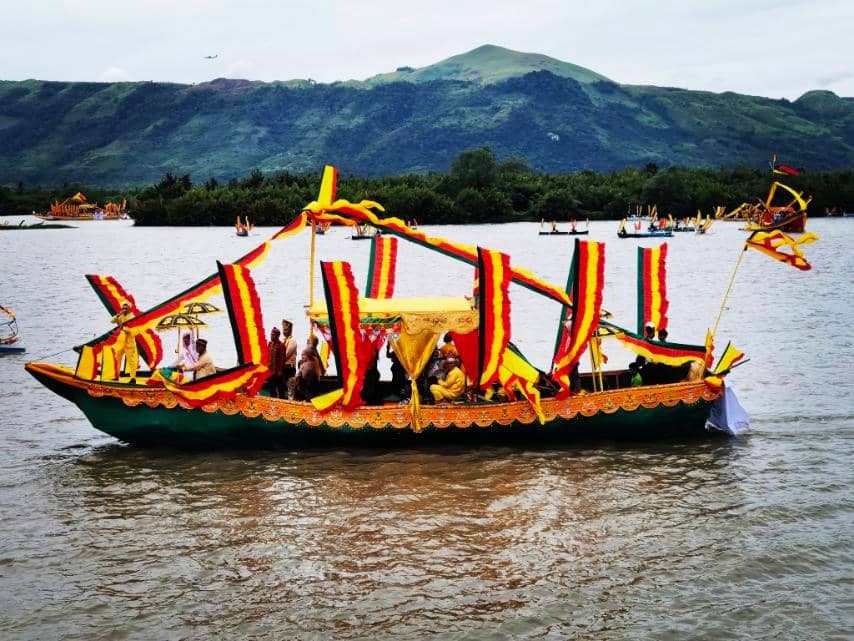
This year's Shariff Kabunsuan Festival ended in a suitably grand manner with a "Guinakit" fluvial parade in Cotabato City.
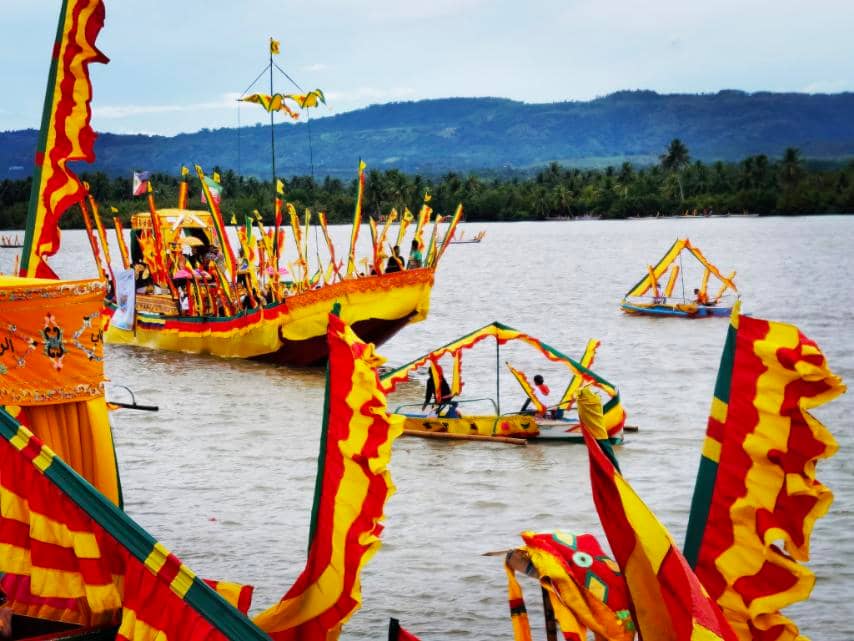
Spectators watched the Guinakit fluvial parade (a convoy of bancas) on 19 December at the Tamontaka River, which drains into the Cotabato City's southwestern seacoast. The parade commemorated the arrival of Shariff Kabunsuan and his fleet of missionary Muslims to Mindanao some 500 years ago along the banks of Masla Pulangi — now popularly known as Rio Grande de Mindanao — aboard a large banca called Guinakit.
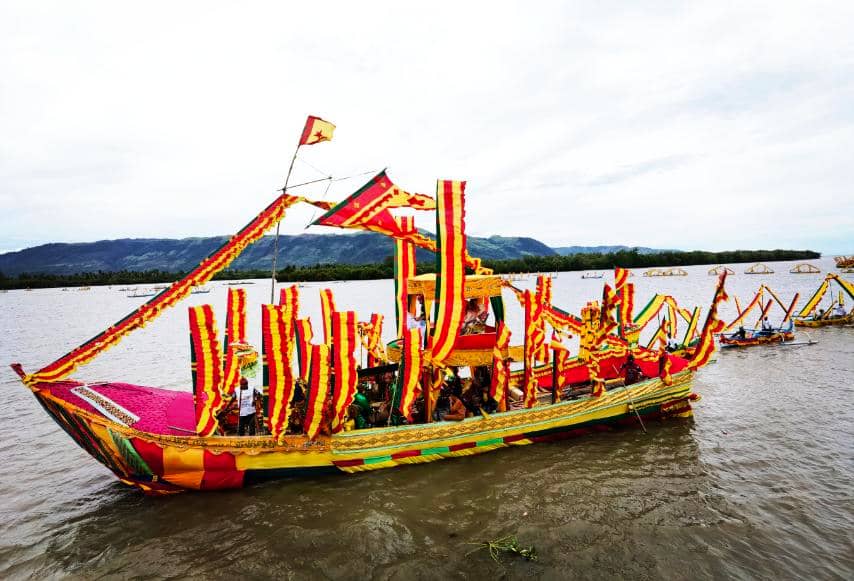
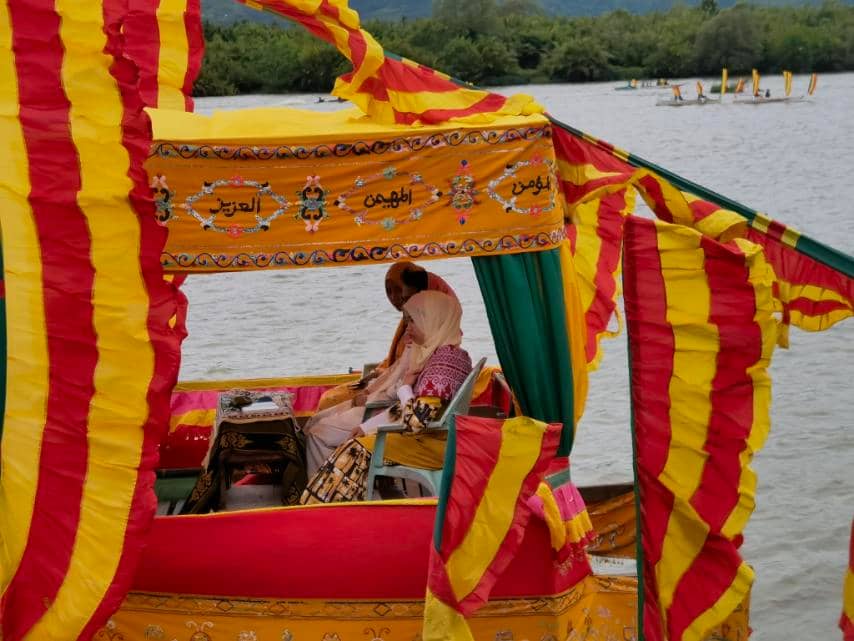
Kabunsuan, an Arab-Malay missionary from Johore, Malaysia, was believed to be responsible for organizing first ever Muslim communities in Cotabato City and in parts of the Bangsamoro region. as well as the one who spread the Islamic culture and tradition in the Philippines.
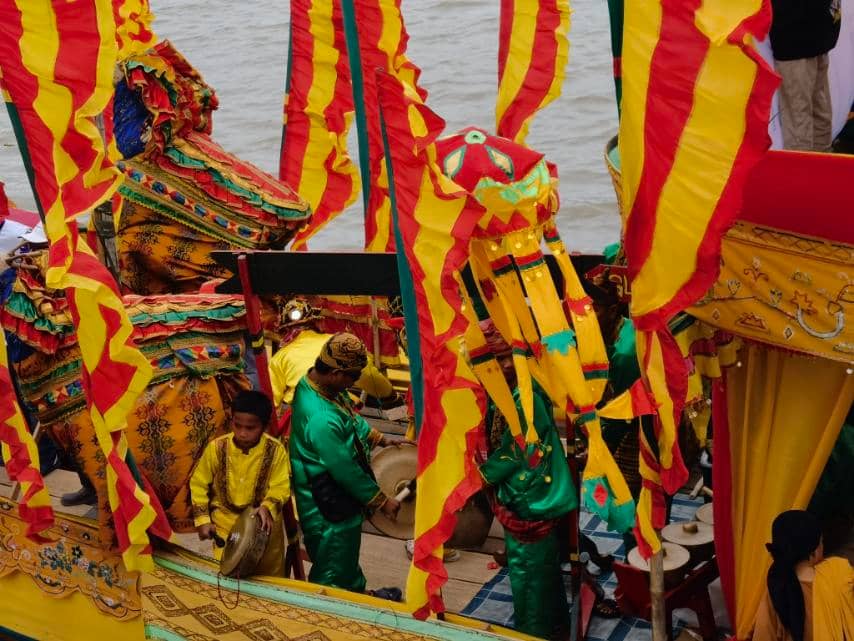
The Guinakit is made of wooden material. It is heavily decorated with colorful and traditional Muslim garments, with riders carrying musical instruments.
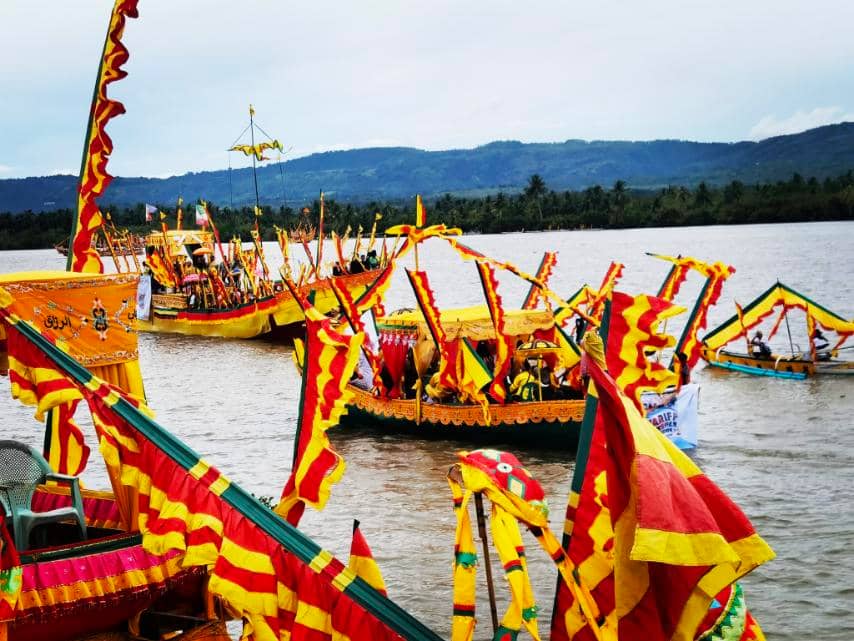
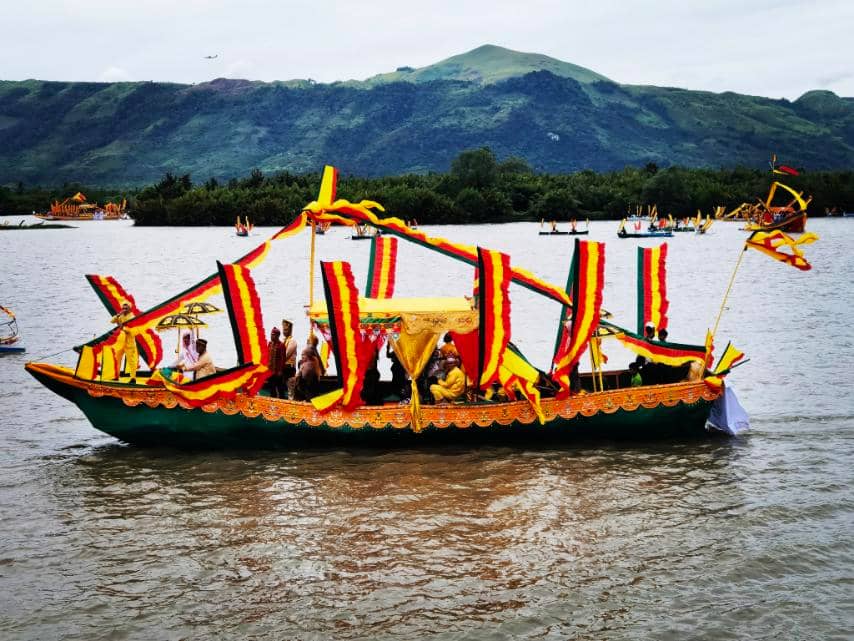
The Cotabato City and the Ministry of Trade, Investments and Tourism of the Bangsamoro Autonomous Region in Muslim Mindanao jointly organized this year's week-long festival.