
Peranakan Museum exhibition explores evolving cultural identity
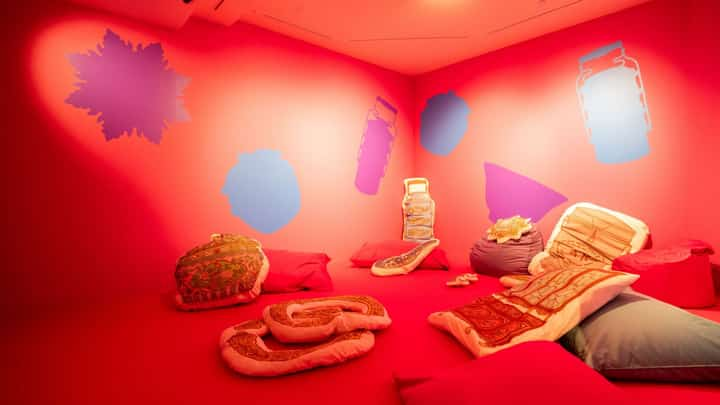
The Peranakan Museum in Singapore has opened a new exhibition featuring more than 150 objects that explore the diverse cultural identities and traditions of Peranakan communities across Southeast Asia.
Titled “Exceptional/Everyday: New Acquisitions, New Perspectives,” the exhibition opened on 30 October 2026 at the museum’s Special Exhibitions Gallery and will run until 29 August 2027.
Featuring 14 stories, the exhibition brings together objects ranging from porcelain and furniture to clothing and jewelry. It is organized around three themes: “Identity,” “Buying” and “Creating,” examining how Peranakan communities acquired, adapted and produced objects within the multicultural environments where they lived.
Rather than presenting a fixed definition of Peranakan culture, the exhibition explores how identity is shaped and negotiated through personal choices, consumption and creative expression.
“Everyday objects can tell extraordinary stories. Exceptional/Everyday: New Acquisitions, New Perspectives invites us to rethink what makes an object Peranakan. The exhibition brings together new acquisitions that reveal creativity, changing taste and personal stories behind Peranakan culture,” said Clement Onn, director of the Asian Civilisations Museum and Peranakan Museum.
He added that many of the objects were donated by families and donors, allowing the museum to preserve not only the items but also the memories and lives connected to them.
The exhibition traces the museum’s collecting history, beginning with a coral-red kamcheng, a Chinese ceramic vessel acquired by the National Museum in 1963. The Peranakan Museum’s collection has since grown to approximately 12,000 objects.
Among the featured items are ancestral portraits, traditional garments, tiffin carriers, ceramic vessels, bridal accessories and personal creations.
One exhibit is a samfoo, a Chinese blouse with frog buttons worn with trousers, which belonged to Oei Seng Neo (1923–2001). Born in Tanjung Pinang in Indonesia’s Riau Islands, she later moved to Singapore and wore the garment at home.