
SBG: Strengthen El NiÑo preps
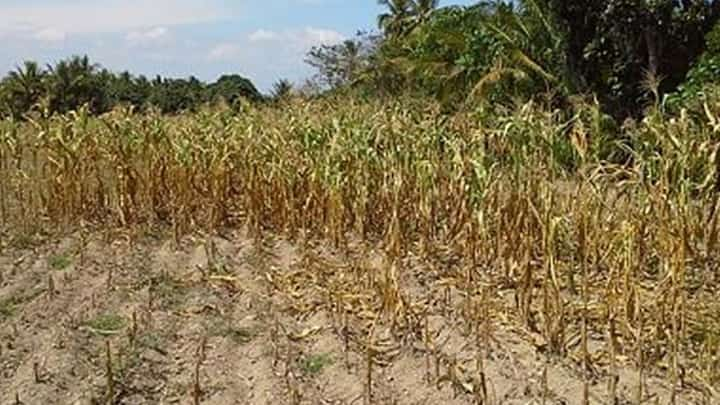
The Department of Health (DoH), local government units (LGUs), and healthcare facilities nationwide should strengthen preparations for seasonal illnesses and other health risks as the northeast monsoon, or amihan, sets in while the country continues to experience the effects of El Niño, Senator Christopher “Bong” Go has urged.
Go, vice chairperson of the Senate committee on health, said authorities must prioritize vulnerable groups, including children, senior citizens, persons with disabilities, outdoor workers, and people with existing medical conditions.
The Philippine Atmospheric, Geophysical and Astronomical Services Administration (PAGASA) declared the onset of the amihan season on 27 October, after a high-pressure area over East Asia strengthened and brought northeasterly winds and cooler temperatures to Extreme Northern Luzon.
The weather bureau said the northeast monsoon is expected to bring cooler conditions, occasional cold surges, and rough seas in the coming months.
However, PAGASA has also warned that El Niño could intensify into a very strong episode before the end of 2026, with its effects potentially extending through the first half of 2027.
Long dry spell
While cooler amihan conditions are expected to persist, El Niño could weaken the monsoon’s effects, resulting in fewer cold surges and warmer-than-usual temperatures in some areas.
Go said the combination of these weather conditions could expose Filipinos to various health risks, including respiratory illnesses during cooler periods, heat-related conditions, and diseases linked to water shortages and poor sanitation.
“We should not wait for the situation to worsen before taking action. We must prepare early by ensuring that water, food, healthcare services, assistance, and other necessities are available to our people,” he said. DT