‘Derrière la porte rouge dans le Marais (Behind the Red Door)’
A glimpse of the interiors inside a historic Marais residence reveals how Scandinavian design, French heritage and everyday Parisian life come together behind one of the district’s iconic red doors.

Eleven pages of glossy Norwegian Maison Decør were enough to sprinkle fairy dust in my man cave.
I’m extremely privileged to live in a monument historique, which gives me a duty to keep my standards high. Papá would always emphasize, since all three of us sons would somehow end up in some sort of altercation at school, that we lived in a “glass house” and therefore had to be responsible for our actions.
Well, his words still echo as I glide through my platinum years.
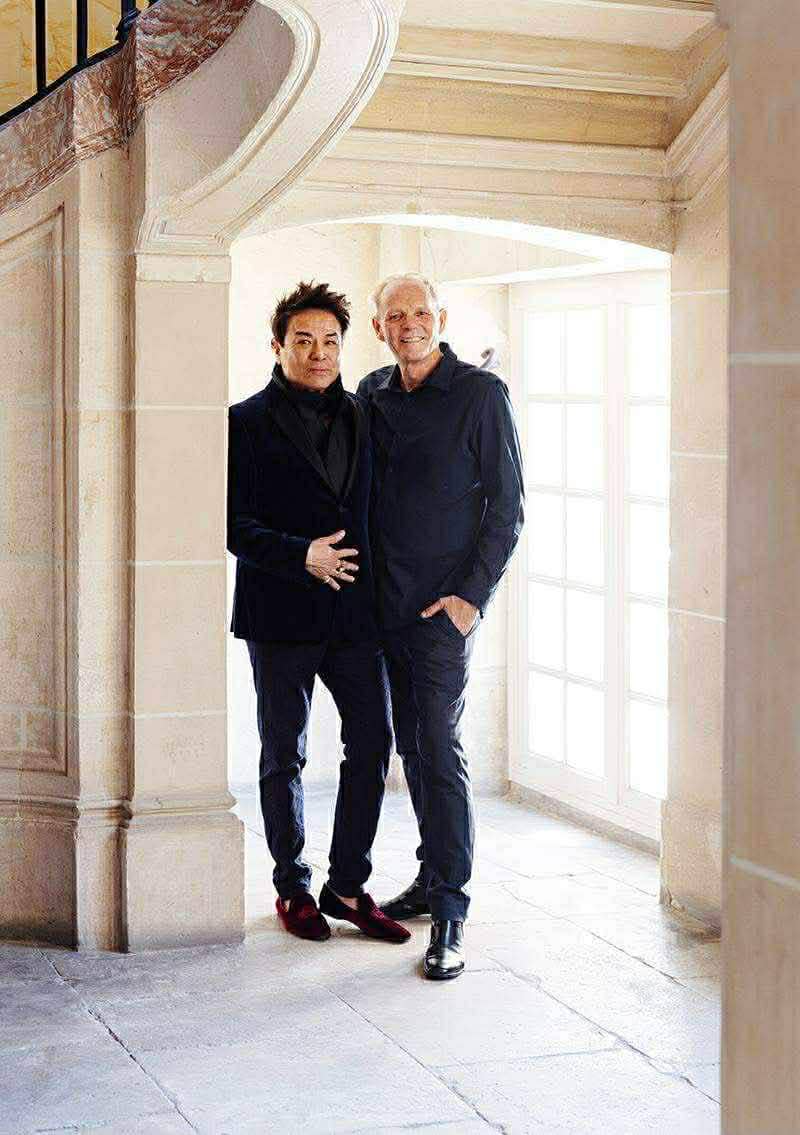
EDOUARD Lacson-Garcia (left) and interior decoration consultant Pål Larsen, at the entrance hall reminiscent of the 1958 film, Gigi, which starred Leslie Caron, Maurice Chevalier, and Louis
Pål Larsen, my Viking partner, has transformed our Paris home into a showcase of Scandinavian design. The former kitchen and dining room on the mezzanine were relocated to the rez-de-chaussée, creating enough space for him to move freely without bumping his head on the steel beams.
Most of our redesigned kitchen came from Ikea.
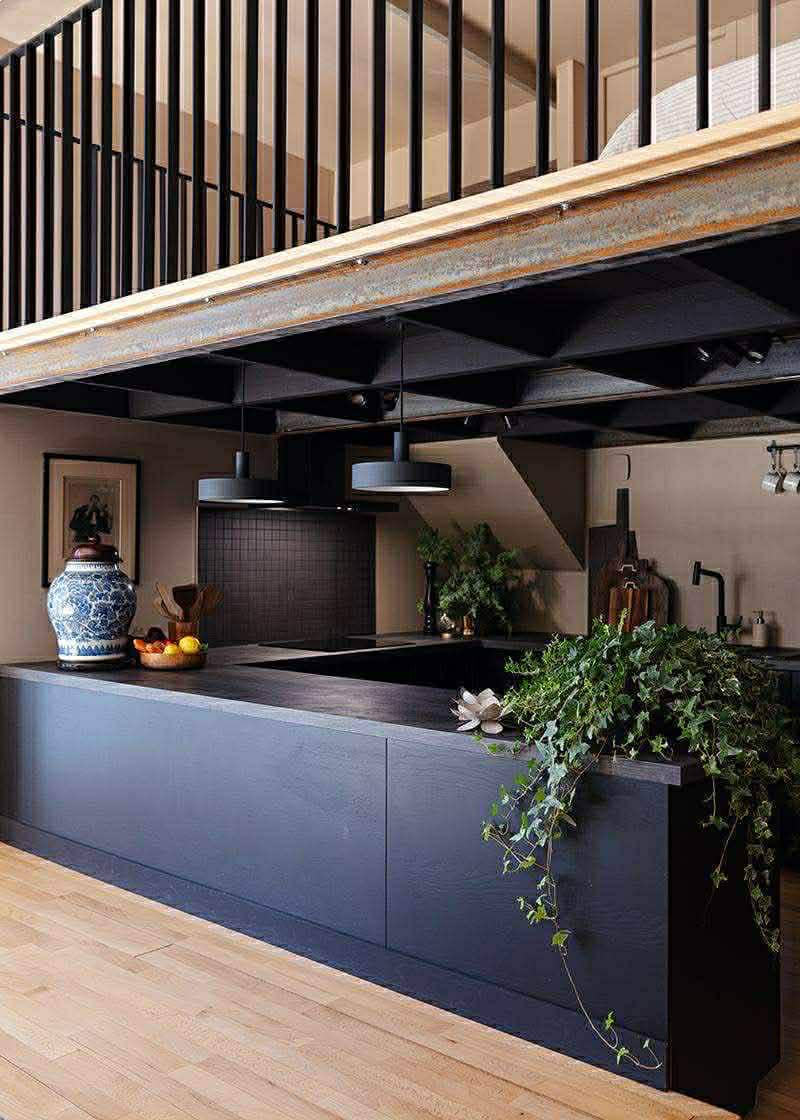
THE sunken kitchen below the mezzanine guest room with exposed metal beams
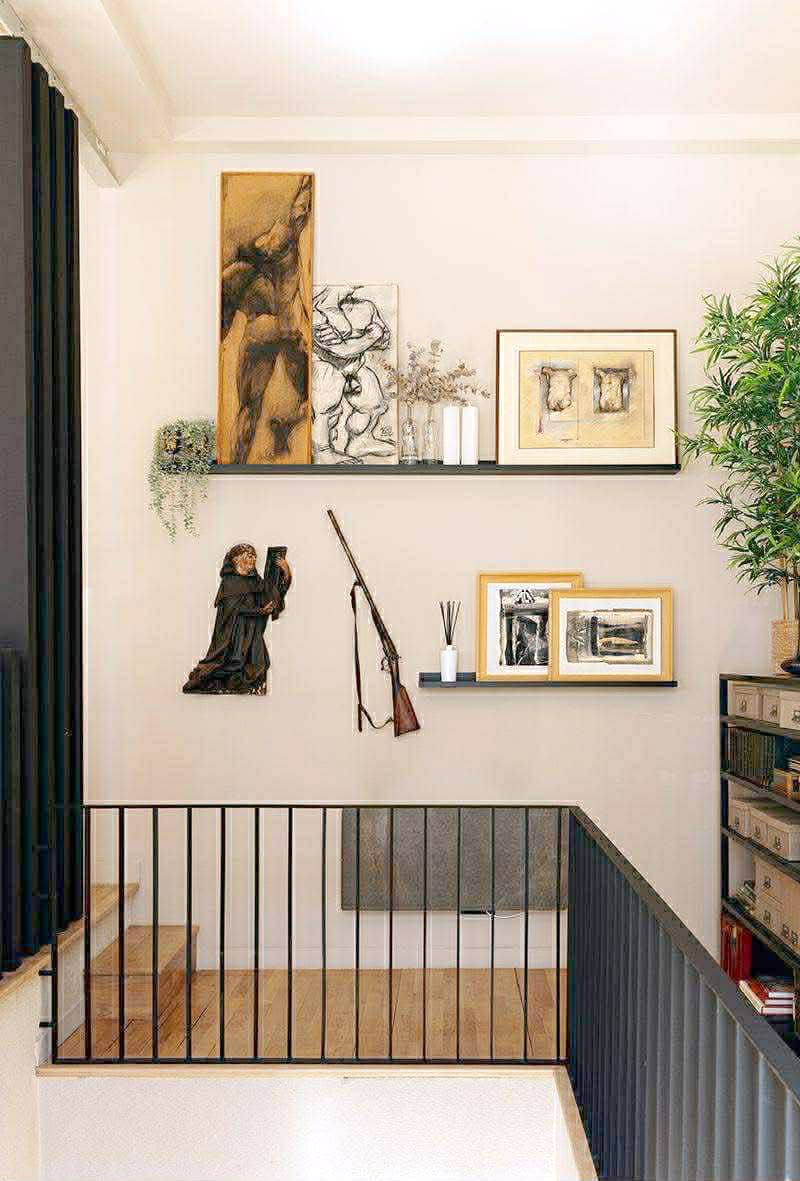
THE narrow alleyway featuring works by ELG’s artist cousin Wayne Lacson Forte and French paintings by Hastaire.
A dining table from the Provençal antiques hub of L’Isle-sur-la-Sorgue, which seats eight, fits perfectly for my usual guests, as I love entertaining.
The living room features a grand sofa from a nearby atelier that offers plenty of derrière space. Two leather lounge chairs from Zara Home complete the arrangement around a Roche Bobois glass coffee table.
The artwork consists of a male nude by my Orange County-based cousin Wayne Lacson Forte and several prized pieces by Claude Hastaire, who stopped painting after the death of his wife.
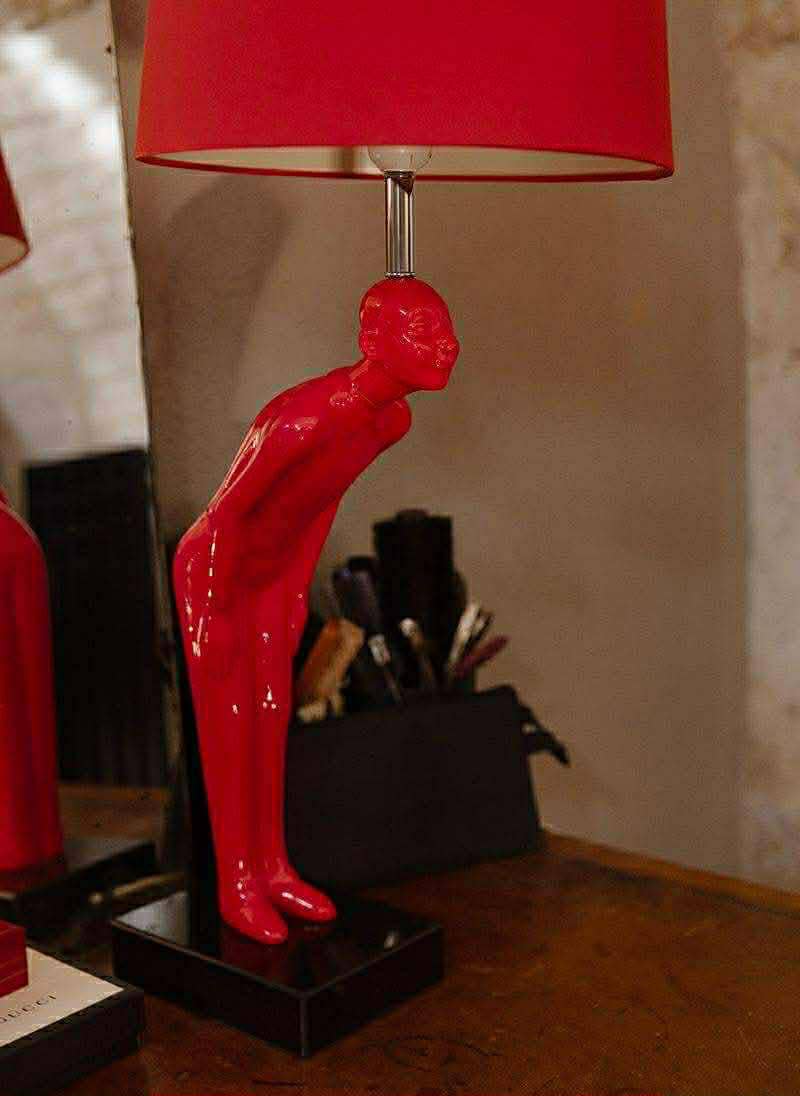
HOMAGE to Bacolod’s premier hotelier Rene Echauz of SeaBreeze Hotel, found in a flea market.
The gallery of French windows provides an open view of the inner courtyard, which was opened to the public during this year’s Journées du Patrimoine, a major annual cultural event during which museums, government buildings, historical monuments, private mansions and gardens offer free or special public access.
During this year’s edition, nearly a thousand people queued over the weekend to pass through the building’s iconic red door and into the courtyard to admire the two sundials on the façade before entering the main hall to see the famous “GIGI” staircase.
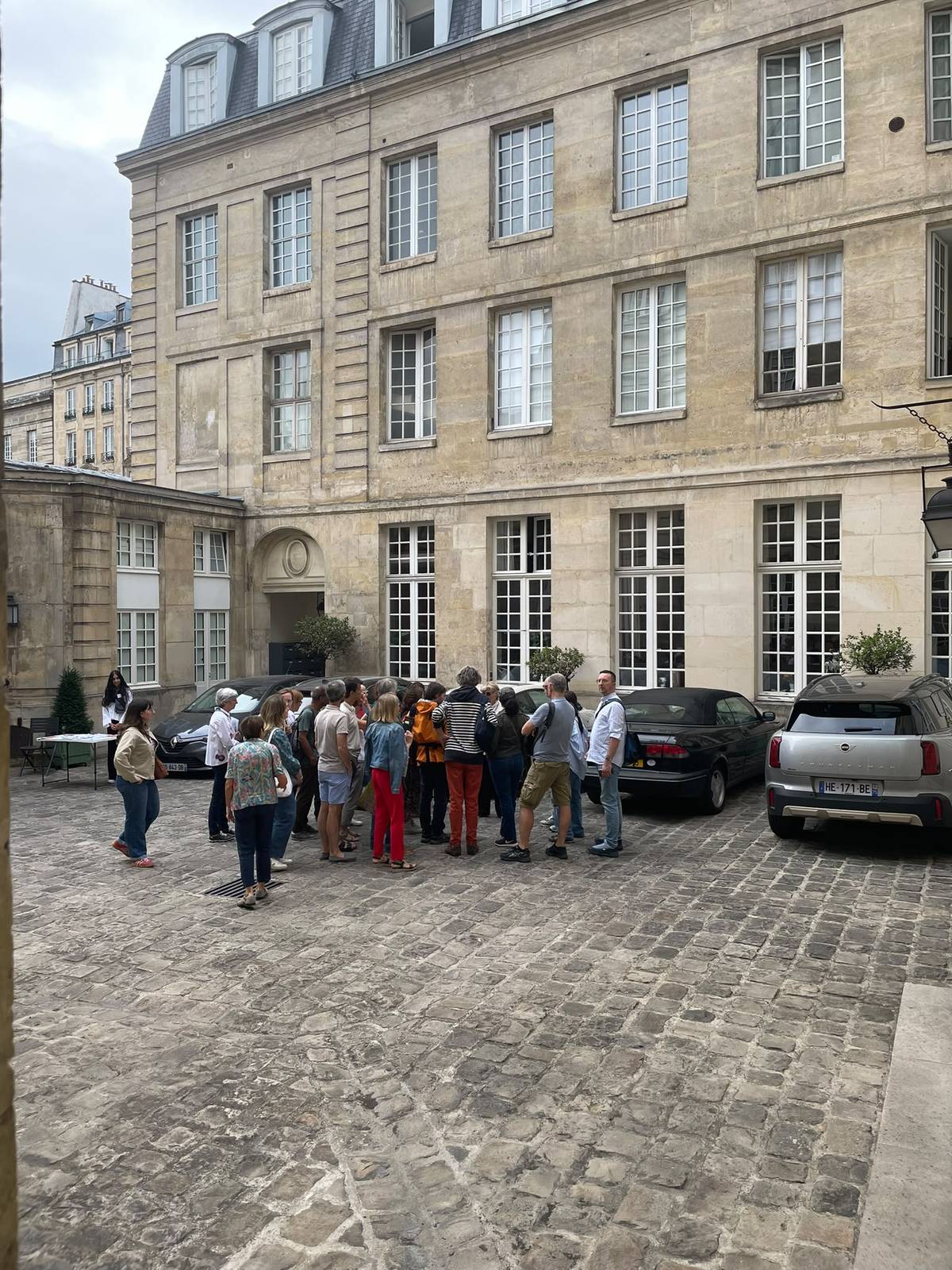
PEOPLE milling outside the building within which our quarters are situated, in the north wing of this monument historique during this year's Journées des Patrimoine, a cultural event in Paris
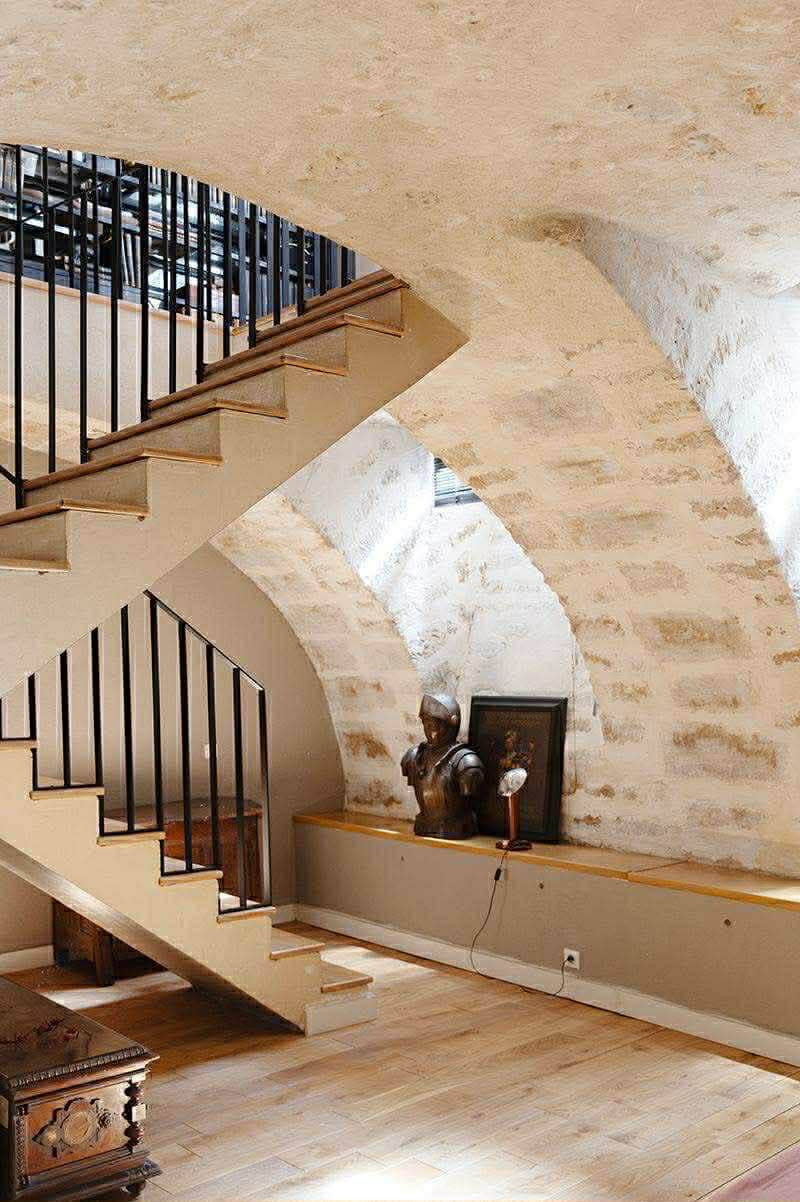
GRILLED staircase to the man cave after a fall of Edouard that resulted in 35 stapled stitches on his knee.
As for our residence itself, the portal, façade and roofs — including the sundials — were officially listed as historic monuments by decree on 5 December 1983.
The Order of Mercy, founded by Peter Nolasco in 1215, originally had the convent built for monks.
Marie de’ Medici, Queen of France and Navarre and the second wife of King Henry IV, later granted the plot of land on which it stands.
The convent was rebuilt between 1727 and 1737 by architect Pierre-François Godeau. Although the adjacent church was eventually demolished, the Couvent de la Merci survived with its distinctive U-shaped layout.
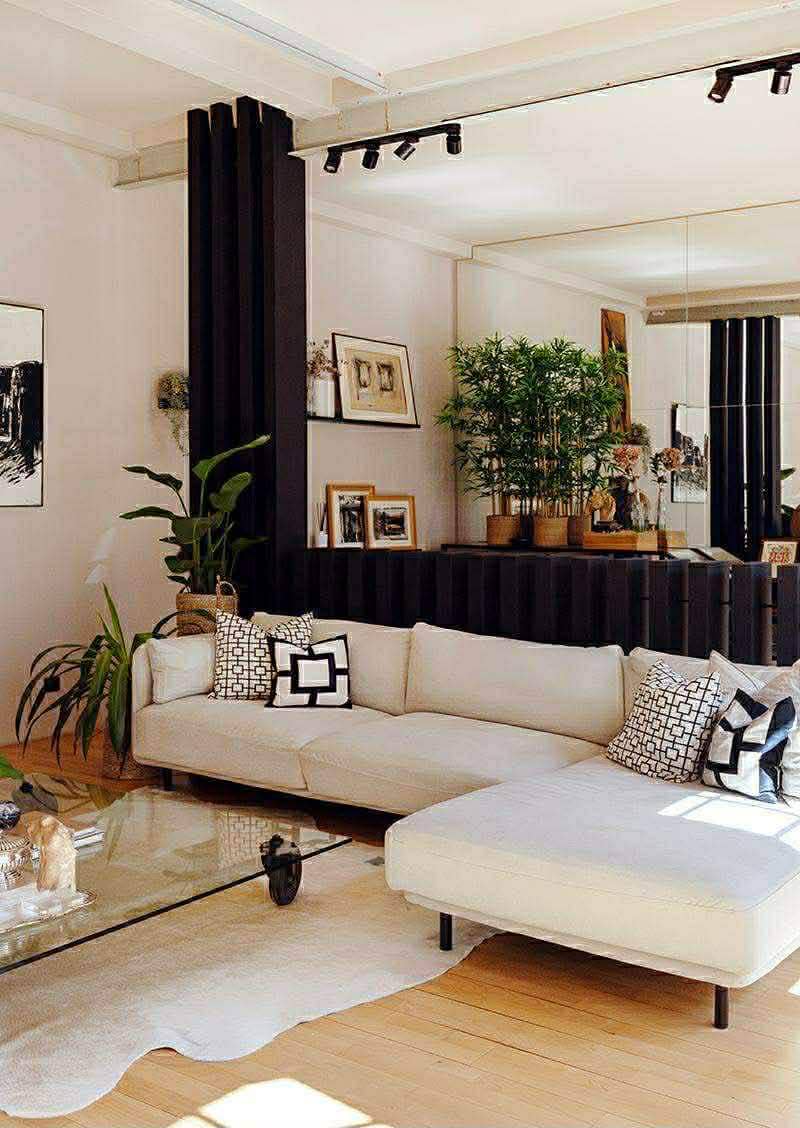
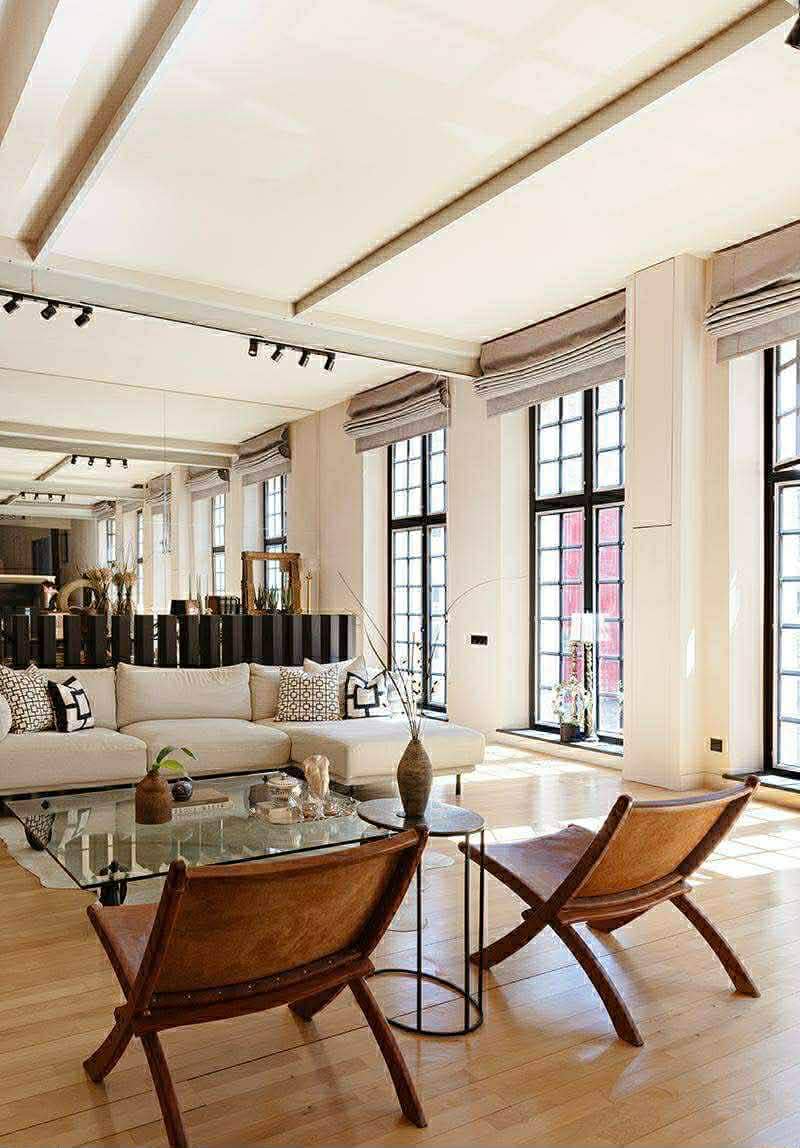
LIVING room area boasts of 5 French windows and a floor to ceiling mirror to emphasize its unique space
Its portal features a tympanum and semicircular arches, while a black marble cartouche above the iconic red door bears the inscription, “Built by Godeau.” The first floor, including the north and south wings — we own the north side — still features arcades that follow the original 1687 plans.
During the French Revolution of 1789, the convent became a prison. During both World Wars, it served as a hospital.
After the Second World War, the property was abandoned until the 1970s, when it was converted into the residential building that stands today.
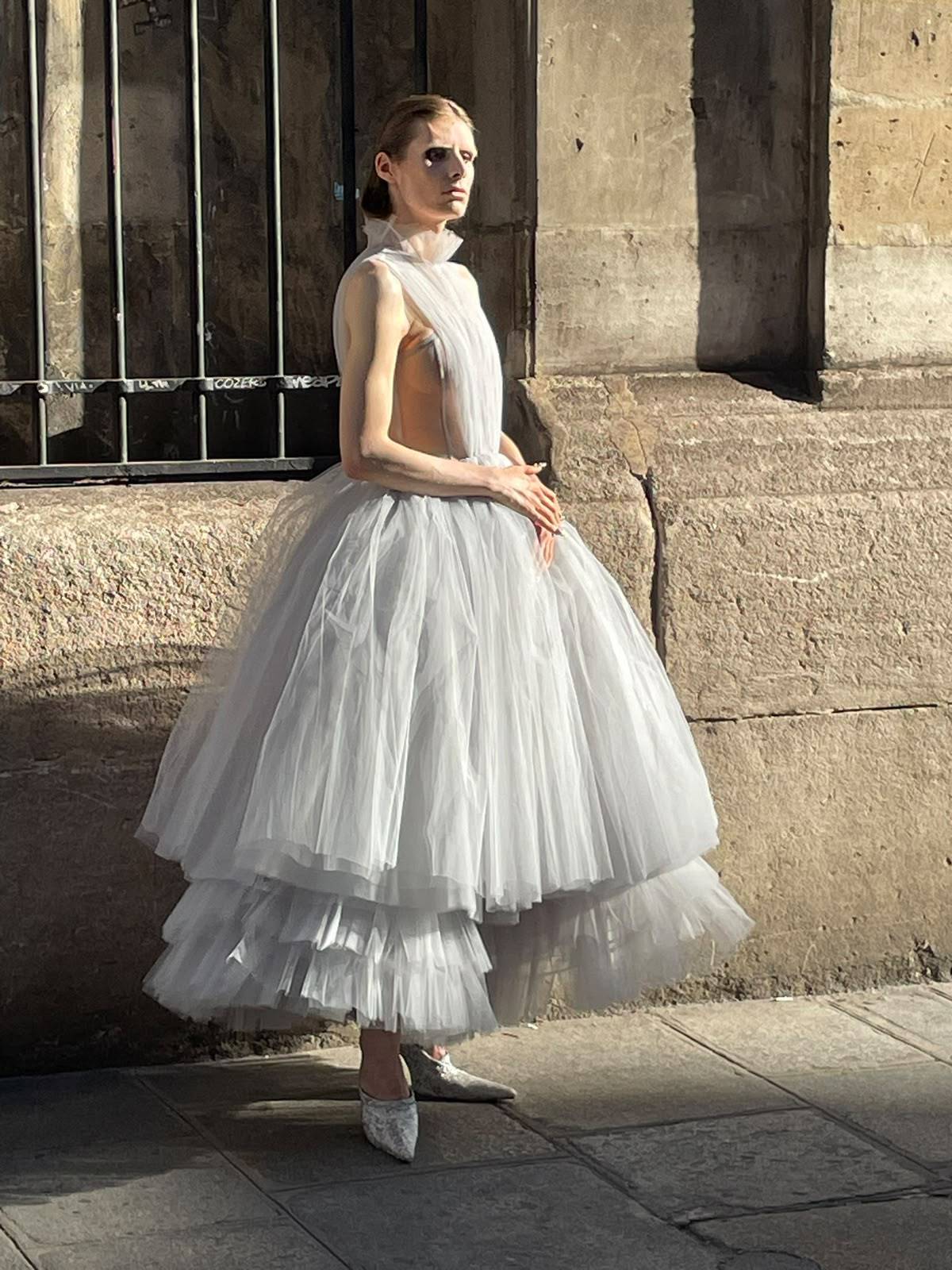
3 October was a typical day in Le Marais. It began with Céline Dion making a personal appearance just around the corner at the Celine fashion show, continued amid the frenzy of Paris Fashion Week, which concludes with Louis Vuitton on Tuesday, and ended with Gay Pride celebrations just down Rue des Archives.
Oui, mes chéries adorables (Yes, my adorable darlings), another day in Le Marais, indeed.
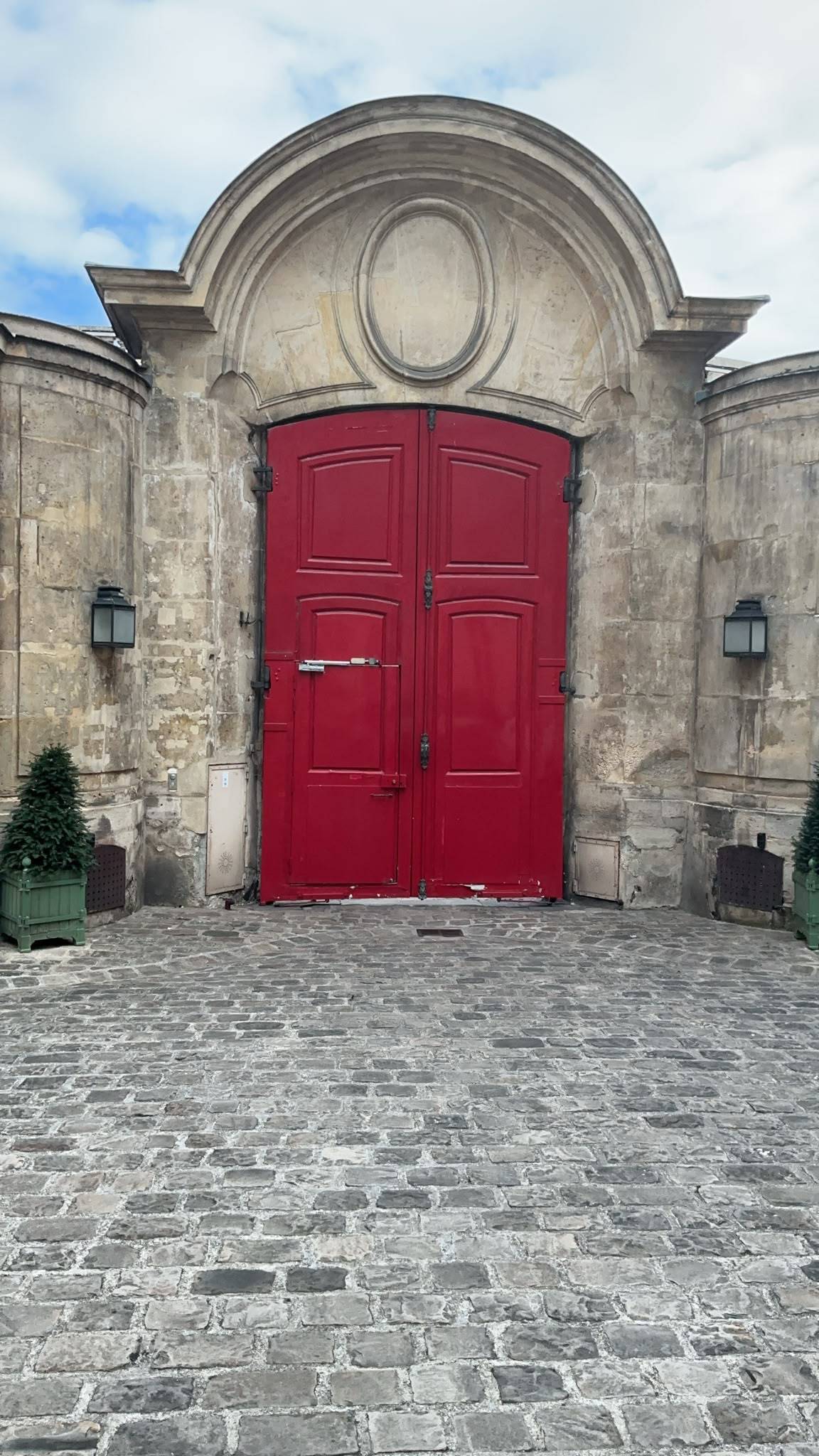
THE Red Door to ___Au Coven