
Nationwide electronic notarization unveiled
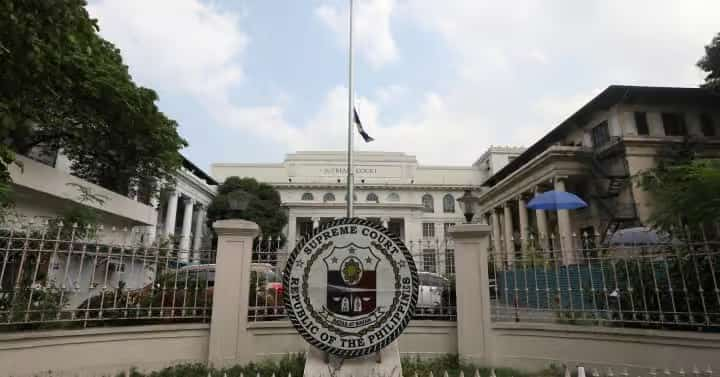
The Philippines formally launched nationwide electronic notarization on Monday, marking a historic shift in the authentication of legal documents as the judiciary, government agencies, and technology sector moved to eliminate longstanding paper-based requirements.
The milestone was highlighted by the electronic notarization of two landmark agreements involving legal tech firm Twala, the Integrated Bar of the Philippines and the University of the Philippines College of Law during the Twala Legal Tech Forum 2026: eNotary and Digital Trust held at Amazon Web Services in Bonifacio Global City.
First Lady Louise “Liza” Araneta-Marcos joined Supreme Court senior associate justice Marvic M.V.F. Leonen, Department of Information and Communications Technology Secretary Robert Joseph Montes de Claro, Anti-Red Tape Authority director general Ernesto V. Perez, and other leaders from government, the legal profession, academe, banking and technology industries at the national launch.
The event marked the operational rollout of electronic notarization 26 years after the Electronic Commerce Act of 2000 recognized electronic documents and signatures.
In his address, Leonen stressed that the country’s transition to electronic notarization must improve access to justice, particularly for Filipinos living in remote and underserved communities.
Technology serves justice only when it reaches first those whom the law has reached the last, Leonen noted, adding that residents of distant areas often face considerable transportation costs and lengthy travel merely to obtain legal services or complete official transactions.
He also disclosed that the Supreme Court, Land Registration Authority, and Securities and Exchange Commission had issued joint guidelines on 13 October governing the acceptance and processing of electronically notarized documents, declaring that electronic notarization is now nationwide.
The development forms part of the judiciary’s continuing digital transformation under the Strategic Plan for Judicial Innovations 2022–2027. Leonen also discussed the Unified Legal Aid Service, which seeks to strengthen legal assistance for indigent and underserved Filipinos, and stressed that artificial intelligence should complement rather than replace human judgment.
In an interview on the sidelines of the forum, De Claro confirmed that electronic notarization had already been connected to the government’s eGov platform, with final testing underway.