SC ruling takes PCGG to brink
The State, the ruling made plain, was not in the business of profit-farming for suspects
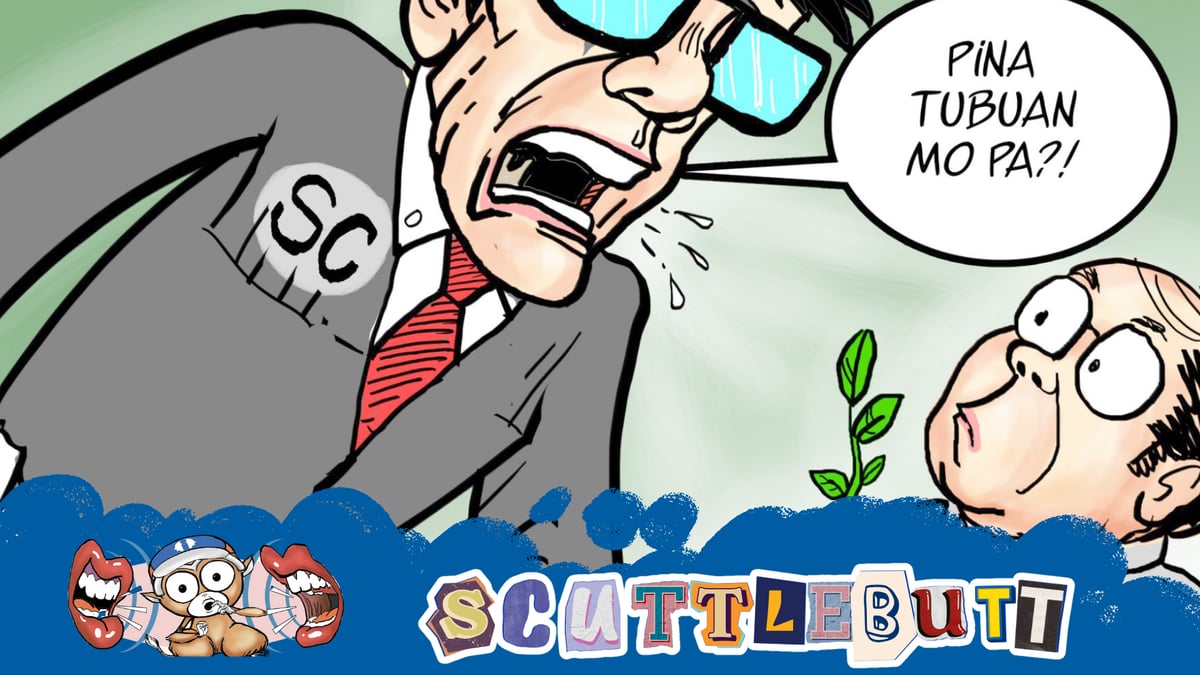
The State, the ruling made plain, was not in the business of profit-farming for suspects


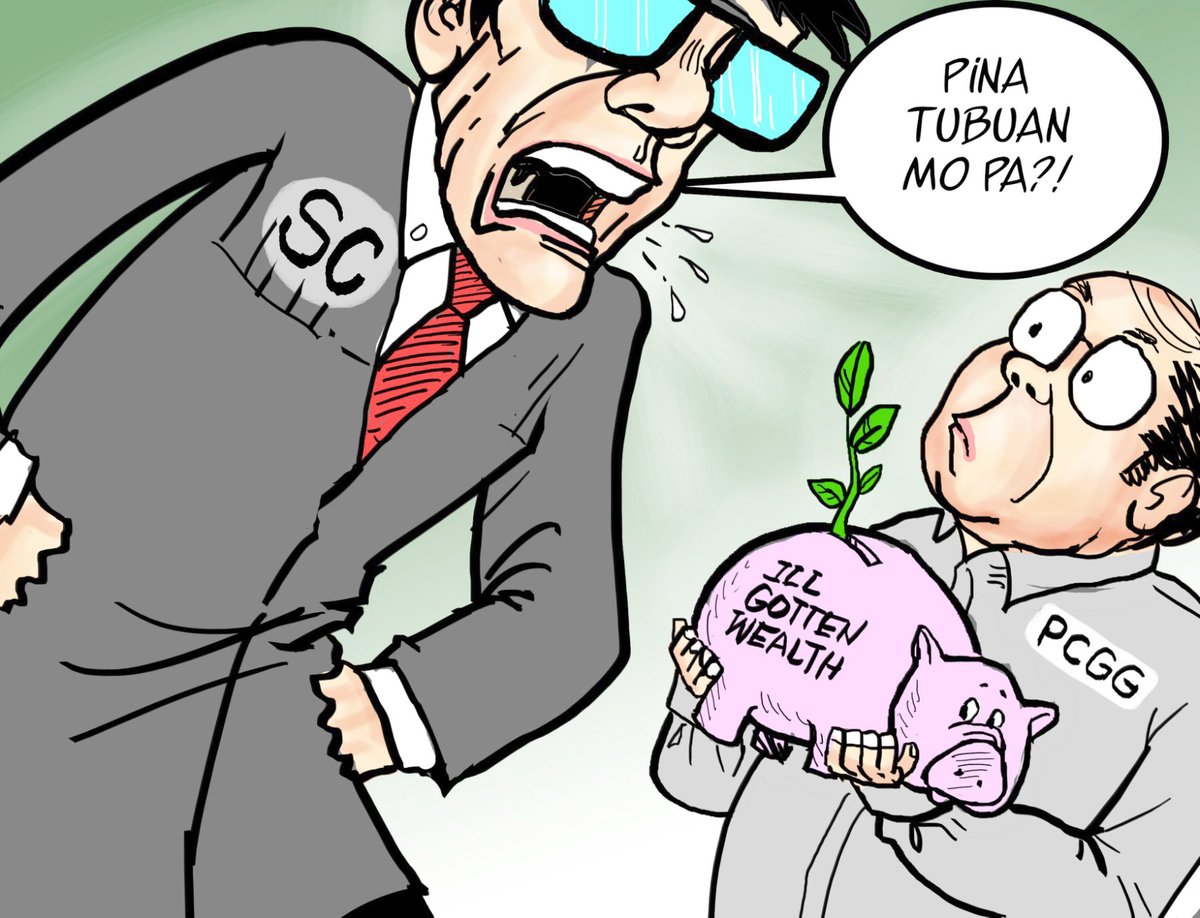
A recent Supreme Court (SC) ruling that the Presidential Commission on Good Government (PCGG) need not pay interest or damages on sequestered funds has, in the telling of a veteran lawyer who confided in Nosy Tarsee, only sharpened the argument for finally scrapping the agency, that graying offshoot of EDSA whose usefulness, some now whisper, ended with the assets it was created to chase.
The High Court’s First Division, in a decision penned by Associate Justice Ramon Paul L. Hernando dated 26 August 2026, denied Palm Avenue Holding Co. Inc. and Palm Avenue Realty Development Corp. their bid to receive the interest on shares the PCGG sequestered back in 1986 of Benguet Corporation, tied by a letter to Benjamin “Kokoy” Romualdez as beneficial owner.
The shares, some of which were sold, earned money over the years. The proceeds first sat in escrow, then partly in a Comprehensive Agrarian Reform Program (CARP) account — and there the interest stopped, cold. The money held in escrow piled up over P273 million in interest, while the CARP took in only P4 million, and nothing after the transfer.
When the Sandiganbayan eventually ordered the funds returned pending a ruling on whether they were ill-gotten, Palm wanted more — 12 percent annual interest, compounded, on the CARP account years. The anti-graft court first agreed, at six percent, then reversed itself. The Supreme Court sided with the reversal.
The PCGG was a caretaker, the Court said, not an owner, not a fund manager. The PCGG’s job was to keep the assets whole, not to make them grow, and turning sequestration into an investment vehicle for people suspected of stealing from the state would, in the Court’s words, distract the Commission from recovering ill-gotten wealth and burden it besides.
The State, the ruling made plain, was not in the business of profit-farming for suspects.
Which is the sting Nosy Tarsee’s lawyer friend can’t get past. If the PCGG’s only remaining function, three decades on, is safekeeping — no growth mandate, no obligation to make anyone whole beyond the principal — what, exactly, still justifies a standing commission, budget line and all, when a receivership or a trust arrangement might do the same job at a fraction of the overhead?
In certain legal circles, Nosy Tarsee’s informant hears that the abolition talk, dormant for years, is stirring again.