




Trains derailed anew over ROW gap

Text size

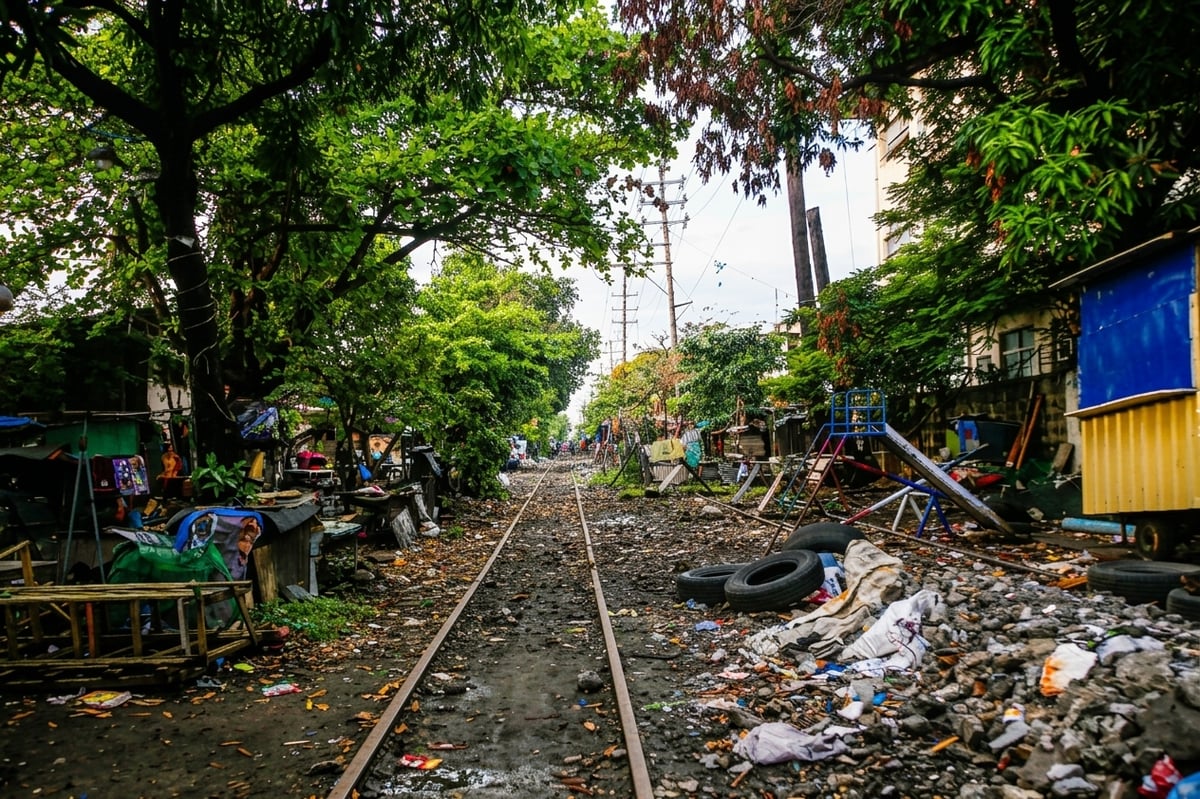
A THRIVING community has taken root along the abandoned train tracks in Tayuman, Manila. The Philippine National Railways suspended operations more than two years ago to make way for a modern rail system, but the promised transformation remains a work in progress.
Photograph by Toto Lozano for DAILY TRIBUNE
Some of President Ferdinand Marcos Jr.’s flagship projects, primarily the North-South Commuter Railway and the Metro Manila Subway projects, are again threatened with delays due to right-of-way (RoW) funding shortfalls after budget realignments.
In the 2024 national budget, the big-ticket railway systems were moved from regular items in the National Expenditure Program (NEP) to Unprogrammed Appropriations (UA) in the final General Appropriations Act (GAA).
This created fiscal space in the regular budget for congressional insertions — often local “pet projects” of legislators like roads, flood control, and multi-purpose buildings — which delayed the implementation of foreign-funded projects.
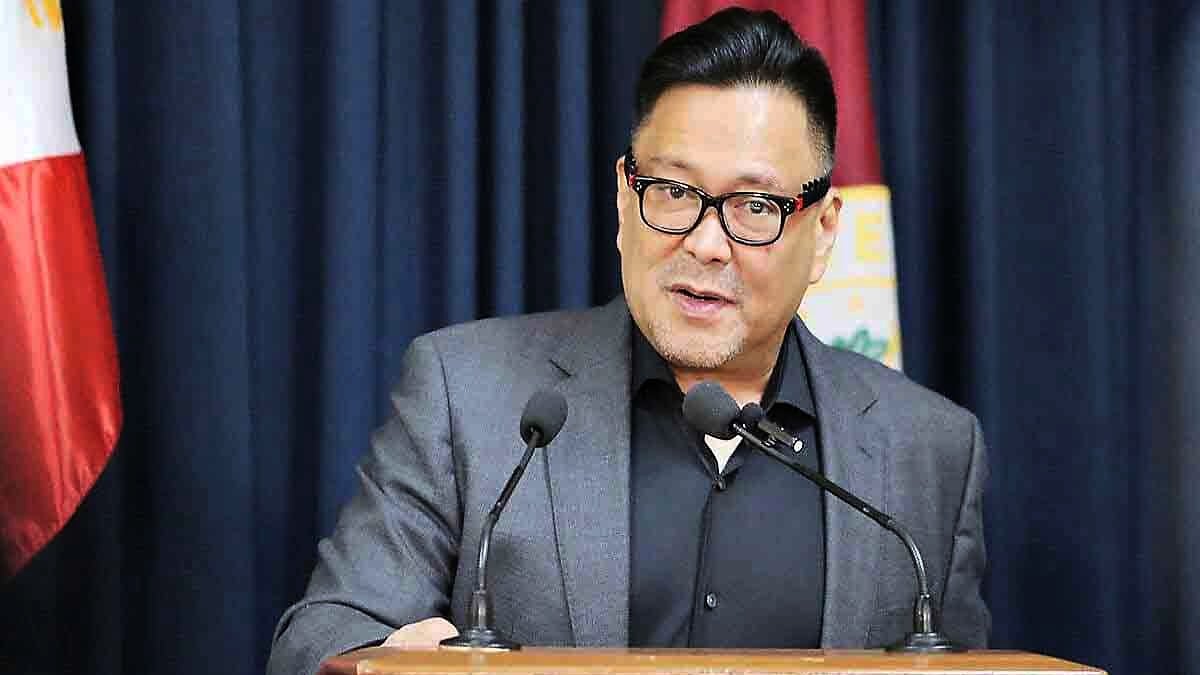
Senate Finance Committee chairperson JV Ejercito, a proponent of railways for mass transportation, flagged RoW funding gaps as another source of delay for key transportation projects during the debates on the proposed P300.96-billion budget of the Department of Transportation (DoTr) and its attached agencies for 2027.
The proposed allocation is P163.114 billion or 118.33-percent higher than the P137.846 billion under the 2026 GAA. The proposal will proceed to plenary deliberations for further scrutiny.
The RoW is one of the most persistent bottlenecks for government projects involving legal acquisition (or easement) of private land, structures, and sometimes subsurface rights needed to build roads, railways, airports, power lines, etc.
RoW budgets are often cut or insufficient, so payments lag, causing delays as landowners refuse to vacate or hand over titles until fully paid, and informal settler families require relocation sites with basic services.
During the budget hearing on 18 September, Ejercito said the government must ensure RoW acquisition and compensation are adequately funded alongside construction to prevent major projects from stalling.
“We have major projects like the Metro Manila Subway and North-South Commuter Railway that are already moving, but their timelines can still be affected if we cannot secure the RoW and compensation requirements,” Ejercito said.
“We can fund the construction, but if we don’t have the right-of-way, the project can still be delayed. We also need to secure RoW requirements first so that regardless of who is the agency official or who is in the administration, we can continue implementing the government’s projects,” Ejercito said.
Essential expenditures
Transportation Secretary Giovanni Lopez said substantial RoW funding is needed for various transport projects, including those in Davao and Cebu.
For some airport projects, for instance, land acquisition alone could cost hundreds of millions of pesos.
For the Metro Manila Subway, the DoTr requested around P40 billion for compensation to affected landowners, noting that the lack of funding could affect tunneling and other construction activities. Around 7.5 kilometers of the 33-kilometer subway alignment are already complete, with full operations targeted for 2031.
For the NSCR, overall RoW acquisition is at around 78 percent, the agency added. The N1 segment is about 99 percent complete in terms of ROW, while the N2 segment toward Clark is at around 86 percent and still needs approximately P2 billion.
The DoTr noted that the South Manila-Calamba segment is only around 64 percent acquired.
The agency said it may need more than P20 billion for additional RoW acquisitions, warning that a lack of workable sites could affect the project’s implementation.
“What we’re looking at here is not just how much we allocate, but whether the allocation is enough to make the projects operational. We don’t want to fund a project on paper only, then leave it stalled because of a lack of RoW funding, compensation, or other critical requirements.” Ejército said.
The lawmaker from San Juan emphasized that the government must pursue long-term investments that make transportation more reliable while creating new growth centers and economic opportunities across the country.
“I have always advocated for transport modernization and infrastructure development because this will really stimulate economic growth and spread out the development in the countryside, creating jobs and opportunities,” Ejercito said.
Zero budget for Busway
Ejercito also raised concerns over funding for programs that directly benefit daily commuters, particularly the EDSA Busway.
The DoTr proposed P1.76 billion for the EDSA Busway, but the program received zero allocation in the 2027 NEP.
Ejercito believes the EDSA Busway should continue to receive adequate funding as it has demonstrated its value to commuters.
“With the EDSA Busway, we have seen that it has been a great help to our commuters. Travel has become faster, passenger flow more orderly, and it has become an efficient public transport option for many people who use EDSA,” he said.

