
REDMI Note 17 Pro 5G review: Putting the ‘Pro’ to work
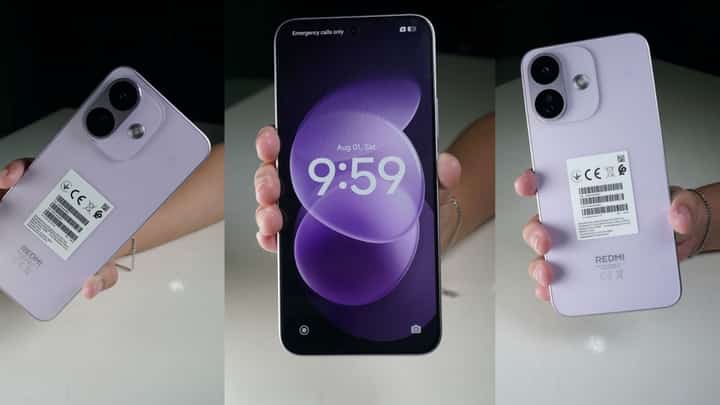
I expected the battery to be the story of the REDMI Note 17 Pro 5G. With 8,340mAh inside, it would have been difficult for it not to be.
But that was not the first thing I noticed.
It was the screen.
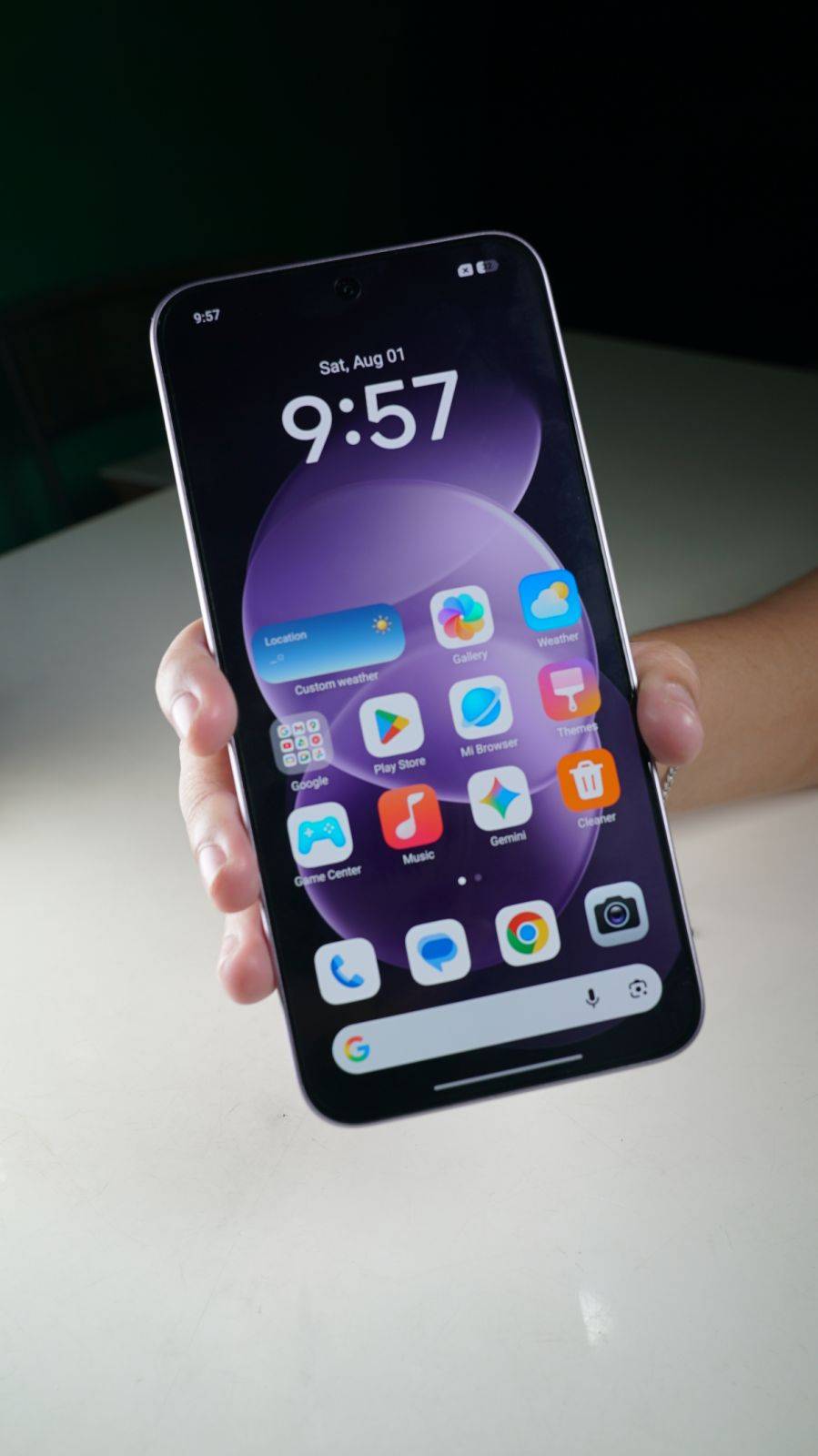
The 6.83-inch 1.5K AMOLED panel runs at up to 120Hz, and the difference is immediately noticeable when scrolling, switching between apps or playing the preinstalled Dust Settle. Xiaomi also rates the display at up to 3,500 nits of peak brightness, with a 3,200Hz instantaneous touch sampling rate in supported gaming scenarios.
The frame rate is, quite literally, a refreshing sight.
What I liked more, however, was how the display works with Xiaomi HyperOS 3. I prefer minimalist software, and the relative simplicity here is one of the reasons I enjoyed using the phone. It feels polished and, more importantly, premium. For once, putting “Pro” in the name does not immediately feel like marketing doing too much work.
That does not mean the software is perfect.
I experienced a very short lag when I opened the camera for the first time and scanned a QR code. Taking a photo while a video was playing caused the most noticeable stutter during my testing, while aggressively minimizing a video and quickly jumping between apps could also invite a slight hitch.
Search was another oddity. When I looked for the Notes app, the phone initially surfaced settings containing the word “note” and even TikTok before finding the actual app. It only took a few seconds, but on a phone that otherwise feels so fluid, those few seconds become noticeable.
Outside those moments, however, the REDMI Note 17 Pro 5G was silky smooth. Its Snapdragon 6s Gen 4 is built on a 4nm process, and for the kind of work I do on a phone, which usually means reading, research, video playback, app switching and the occasional game, I rarely felt like I was waiting for it.
The speakers surprised me
I played a YouTube video at maximum volume expecting the usual smartphone compromise: loud enough, but thin.
Instead, voices remained crisp and there was actual audible bass.
I know, right?
Video essays and podcasts sounded particularly satisfying, and the dual speakers made the phone feel better suited for long stretches of media consumption than I expected. Xiaomi advertises up to a 300 percent volume boost, along with Dolby Atmos and Hi-Res Audio support.
Another mundane thing I noticed, and perhaps appreciated more because another premium phone I own does not always do it as gracefully, was Wi-Fi switching. Moving from upstairs to downstairs produced such a seamless handoff between access points that I barely noticed the transition.
These are small things, but they matter because they are the things you actually live with.
Now, the ridiculous battery
Then there is the battery.
I left the phone charging overnight and picked it up at 7 a.m. to watch YouTube and read the news for about an hour. At 12:20 p.m., it still displayed 100 percent.
I watched another 30-minute video at around 3 p.m. and played about five rounds of Dust Settle. Battery level: 97 percent.
By the time I went to sleep at around 10 p.m., it was still at 92 percent.
The next morning, it started at that same 92 percent. I watched a one-hour video while constantly switching tabs for research, and by 9:22 a.m. it had fallen to 88 percent. Much of the second day involved fragmented video playback, with content often running in the background while I worked. At 2:44 p.m., it was still at 81 percent. By the end of the night, it sat at 69 percent.
I also let an entire basketball game play continuously. It consumed roughly 10 percent of the battery, with no noticeable heating or playback lag.
That is when the 8,340mAh figure stops being a specification and starts becoming the personality of the phone.
Xiaomi pairs that silicon-carbon battery with 67W HyperCharge and up to 22.5W reverse charging. The company also says it should retain at least 80 percent of its capacity after 1,600 charging cycles.
Big battery without the brick
What makes the endurance more impressive is that the phone does not feel like a portable power bank disguised as a smartphone.
It measures 8.6 millimeters thick and weighs around 222 grams, although specifications can vary slightly. That is not featherweight, but given the battery inside, it is surprisingly manageable.
The phone also carries IP66, IP68, IP69 and IP69K ratings, Gorilla Glass Victus 2 and certified drop resistance of up to three meters under Xiaomi’s stated test conditions.
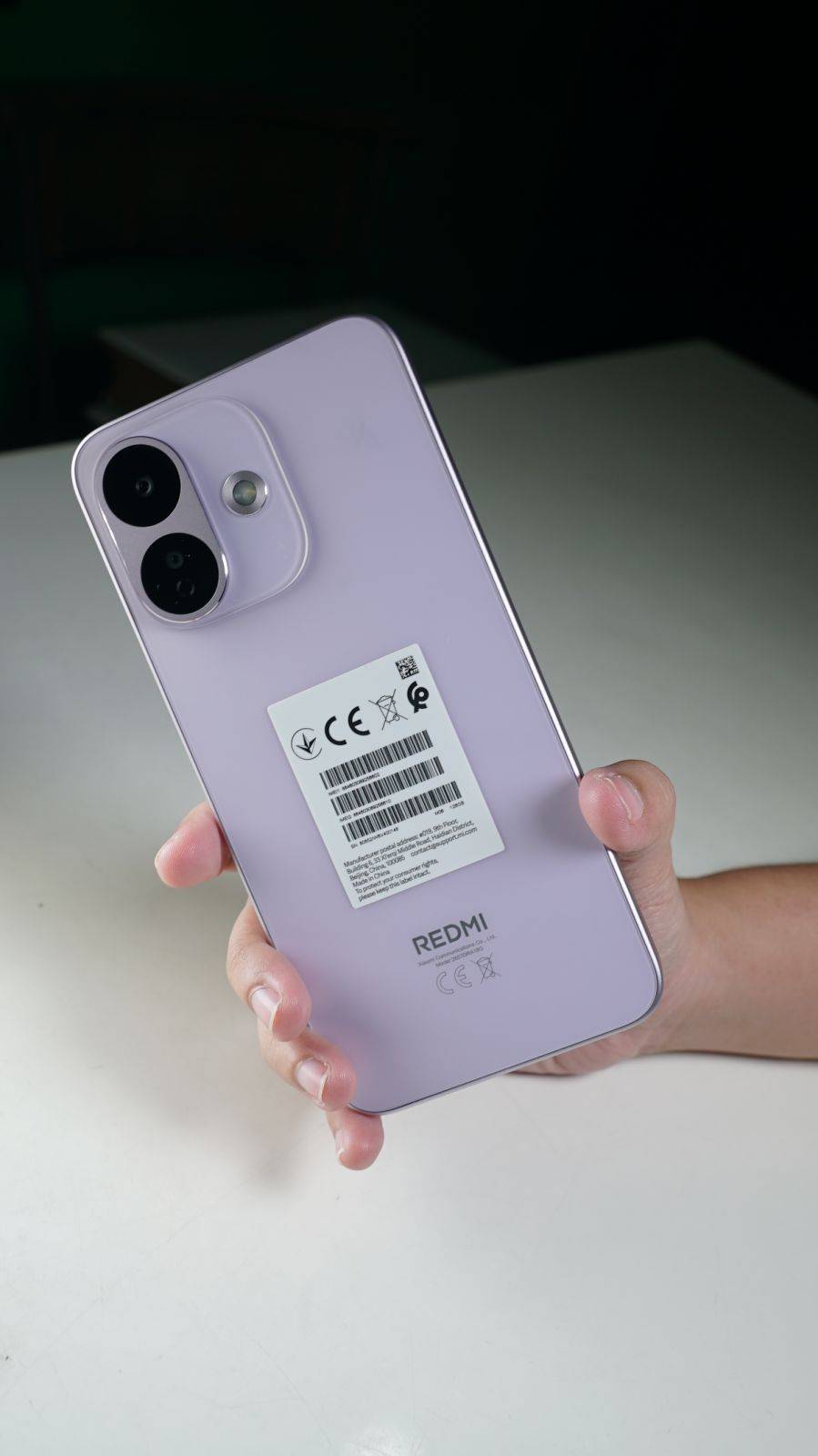
For imaging, you get a 50MP main camera with optical image stabilization, an 8MP ultrawide and a 16MP front camera. I would not call the camera the headline feature here, and in my own use it was not. This phone made a stronger impression through its display, endurance and general smoothness.
In the Philippines, the REDMI Note 17 Pro 5G starts at P20,999 for 6GB+128GB, rising to P22,999 for 6GB+256GB and P23,999 for 8GB+256GB.
There are phones that impress because one feature screams for attention. This one did something I appreciated more: it simply kept getting the everyday things right.