
Ombudsman calls for accurate, fair reporting on Marcoleta case

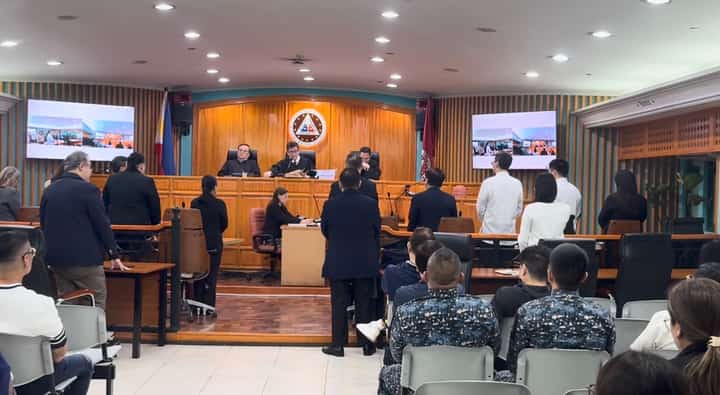
The Sandiganbayan Third Division during the pre-trial hearing of Senator Rodante Marcoleta's plunder case on Friday, 14 August.
Jerod Orcullo
Text size
The Sandiganbayan Third Division during the pre-trial hearing of Senator Rodante Marcoleta's plunder case on Friday, 14 August.
Jerod Orcullo
The Office of the Ombudsman has urged media organizations to ensure accurate and fair reporting on the criminal proceedings against Sen. Rodante Marcoleta, criticizing a report that it said presented “isolated portions” of a prosecution witness’ testimony.
“Journalists are expected to uphold and protect the truth at all times. The truth must never be compromised,” the Ombudsman said.
The anti-graft body was referring to coverage of Marcoleta’s third bail hearing on Monday, 14 September, during which Luzon Field Investigation Bureau Director Maria Melinda Mananghaya-Henson testified before the Sandiganbayan.
During the hearing, Mananghaya-Henson was questioned about the investigation into Marcoleta and presented a video from an online program in November 2025 in which the senator discussed receiving campaign donations.
The Ombudsman said one online report lacked sufficient context and could “create a misleading impression of evidence” in Marcoleta’s plunder case.
According to the agency, the report focused on portions of Mananghaya-Henson’s testimony concerning whether investigators had found evidence of communication among three alleged donors linked to P75 million in campaign contributions.
It also cited portions of the testimony in which the investigator was asked whether there was evidence that the accused had personally met.
The Ombudsman stressed that testimony should be considered in its entirety rather than using selected portions to establish a particular narrative.
“Let us be very clear, there is very strong evidence on record which warranted the filing of the case,” the agency said.
Despite its criticism, the Ombudsman acknowledged the “vital role” of journalists in informing the public and said reporting on cases of significant public interest carries a responsibility to provide proper context.
“Ultimately, it is the Sandiganbayan–not any party to the case, nor any headline–that will determine the weight and sufficiency of the evidence presented before it,” the Ombudsman said.
The media organization referred to by the Ombudsman had yet to issue a formal response as of writing.
The Commission on Audit (CoA) has “affirmed with finality” its P73.28-million disallowance of confidential funds spent…
Car company Tesla has rolled out its autonomous taxi in Austin, Texas, USA.
First Lady Liza Araneta-Marcos joined members of the Philippine Constitution Association (PhilConsa) in celebrating its…