




Peso hits record low
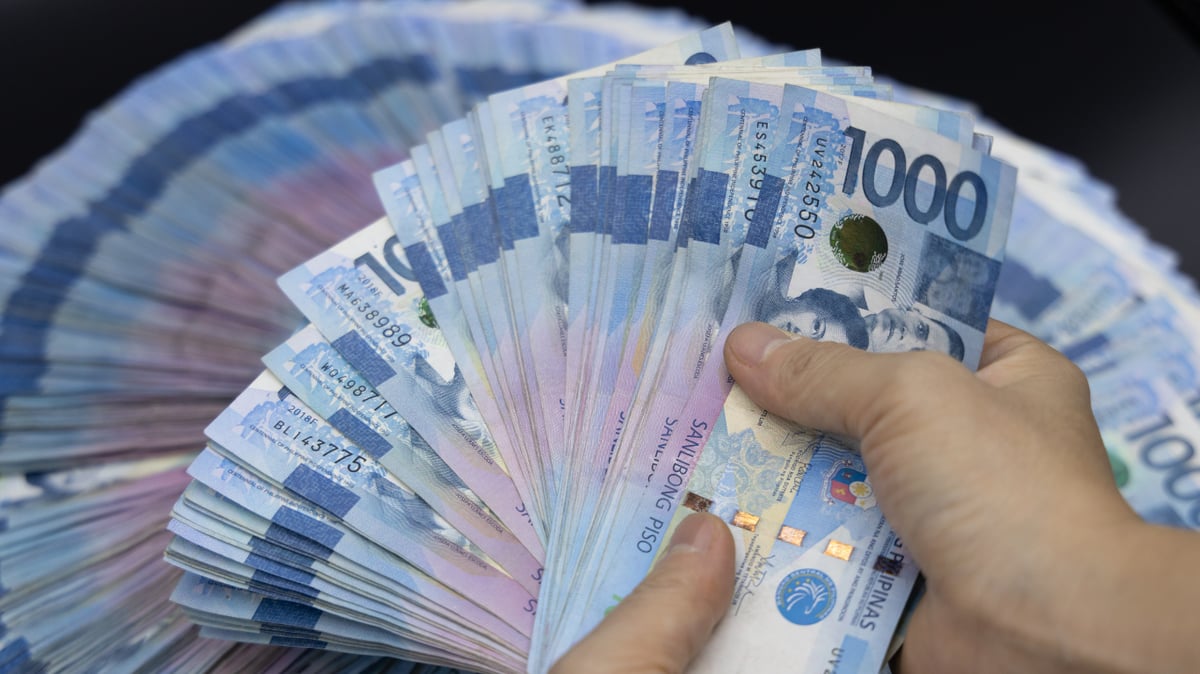
The currency hit another record low on Tuesday, closing at P62.625 against the greenback, amid the rebound of Philippine stocks.
The Philippine Stock Exchange saw the benchmark index rising 22.31 points, or 0.37 percent, to 6,105.99, while the peso weakened 0.039 to a fresh record low of P62.625 to the dollar from the P62.59 closing on Monday.
Investors continued to hunt for bargains amid persistent pressures from the Gulf.
Buying in index heavyweight International Container Terminal Services Inc. provided a notable lift, with the stock emerging as the day’s top index gainer.
However, sentiment remained cautious, with net value turnover at only P4.04 billion and market breadth slightly negative at 102 decliners against 89 advancers and 54 unchanged.
Foreign investors turned net buyers, recording P164.54 million in net inflows.
Mining and oil led sector gains with a 2.40-percent advance, while holding firms also rose. Financials were the weakest, falling 0.78 percent, while property stocks remained soft.
JG Summit Holdings Inc. (JGS) was the principal index laggard, declining 2.15 percent to P20.50.
The market’s advance appeared driven more by selective bargain hunting and stock-specific buying than a broad-based risk-on move.
For the peso, oil-related pressure remained a key concern. The currency traded as strong as P62.48 during the session before weakening, while the dollar reached P62.675 at the intraday high.
The BAP weighted average was P62.568, with trading volume rising to about $1.39 billion.
Brent crude rose 1.4 percent to $98.34 a barrel in Asian trading, its third straight daily gain, while the US 10-year Treasury yield climbed to 4.798 percent.
Markets continued to price in the possibility of a 25-basis-point Federal Reserve rate hike at the September meeting.
The peso’s record close came despite a relatively soft US dollar, with the dollar index around 98.83, suggesting that Philippines-specific and oil-related pressures were significant drivers.
Heightened Gulf shipping risks and disruptions around the Strait of Hormuz have tightened physical oil markets, raising concerns for the Philippines as a major energy importer.
The local currency has now sunk to record lows more than a dozen times since the onset of the Gulf conflict in March, depreciating by about 7.9 percent since 28 February’s P57.66 close as of Tuesday.
Three decades after the Marcopper mining disaster devastated Marinduque’s waterways, the province is again pressing the…
Housing is probably the biggest issue affecting people the world over.
Malacañang on Monday called for a more thorough investigation into the questioned flood control projects in Taguig…
The defense on Monday backed the move by senator-judges to exclude a prosecution witness who testified on the firearms…
