
DA eyes huge canals to tame Candaba floods

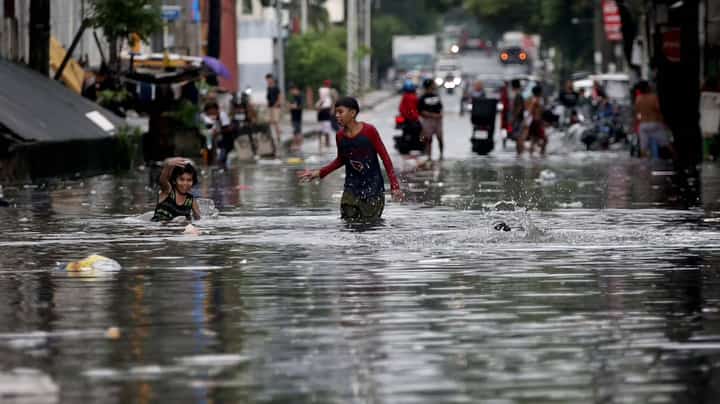
The Department of Agriculture (DA) is studying a massive canal network in Pampanga’s Candaba Swamp that could help control flooding while expanding irrigation, farming and agricultural transport.
Agriculture Secretary Francisco P. Tiu Laurel Jr. said the DA has commissioned a P150-million feasibility study with a Vietnamese university and engineering contractors to assess a canal system patterned after waterways in Vietnam’s Mekong Delta.
“This is not the small canals,” Tiu Laurel said, describing proposed waterways that could reach 100 meters wide and 7 meters deep and accommodate vessels.
The roughly 6,000-hectare Candaba Swamp could serve as a large water-holding area during heavy rains, with excess water redirected into the proposed canals.
Tiu Laurel said parts of the swamp could potentially become more suitable for cultivation once water is managed through the network.
The canals could also provide an alternative route for moving agricultural products, reducing farmers’ reliance on roads to transport crops.
The study, expected to be completed by year-end, will also outline how the project could be financed, Tiu Laurel said.
The DA has presented the proposal to President Ferdinand R. Marcos Jr., who is considering long-term measures to address recurring flooding in Central Luzon.
Tiu Laurel said the agency is also examining similar water-management projects in other flood-prone areas, including the Agusan and Lingasnan marshes and the Lagayan River Basin.
The feasibility study will determine whether the potential gains in flood control, irrigation, agricultural production and transport can justify the project’s eventual cost.