
Right way to go abroad
When visitors enter a country as tourists but overstay or work without the proper authorization, the adverse consequences can extend beyond the individual travelers who overstayed.

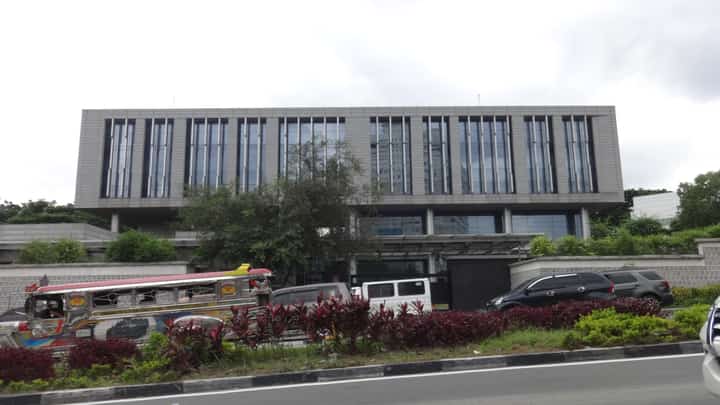
A recent social media discussion about the Korean Embassy’s temporary suspension of several designated travel agencies has sparked some fears among Filipinos planning to travel abroad.
According to the notice shared in the post, several designated travel agencies were suspended from facilitating Korean visa applications for periods ranging from one to six months.
The post quickly drew reactions from Filipinos who regularly travel to Korea, Japan and other countries, with many raising concerns that some tourists may be using legitimate tourist visas to enter a country and eventually work there without proper authorization.
To allay those fears, we should distinguish between what is officially stated in the embassy’s notice and what is being discussed and inferred online.
The screenshots circulating around this incident do not establish that every agency listed was suspended because its clients failed to return home and became undocumented workers or “TNT.”
Still, the discussion points to a real and difficult issue: when visitors enter a country as tourists but overstay or work without the proper authorization, the adverse consequences can extend beyond the individual travelers who overstayed.
The desire to work abroad is understandable. For many Filipinos, it is driven by the need to provide for their families, build a better future, or seek opportunities that may be limited at home.
There is thus nothing wrong with wanting to work overseas. Millions of overseas Filipino workers have already built better lives for themselves and their families while contributing significantly to the economy primarily through their remittances.
But there is a right and safer way to do it.
Using a tourist visa to look for work and then failing to return, overstaying, or becoming undocumented can expose Filipinos to serious risks.
Without legal status and proper employment protections, workers can become vulnerable to exploitation, unpaid wages, abusive conditions, document confiscation and, worse, human trafficking.
What thus begins as a legitimate attempt to find a better opportunity in their lives can quickly become a nightmarish situation that is difficult to remedy.
Following the proper immigration and employment process, therefore, is not simply about obeying another country’s rules, it is also about protecting ourselves.
Those who genuinely want to work abroad should pursue the appropriate work visa, employment permit, accredited recruitment channels, and our government’s own processes.
These are safeguards and as such they help ensure that workers know who their employers are, understand their contracts, and know what rights and protections are available to them.
Finally, the discussion also serves as a reminder that irresponsible migration practices can affect more than one traveler. Repeated overstays and unauthorized employment can contribute to stricter visa screening and greater scrutiny of legitimate Filipino travelers, legal workers and businessmen, increasing uncertainty, delays and costs.
We should continue encouraging Filipinos to travel, explore opportunities and pursue better lives abroad, but always through the right processes and channels. Wanting a better future is never wrong. But the path toward it should not put us in greater danger.
Going abroad should open doors, not leave Filipinos more vulnerable than before.