
Three impacts of school shootings
The Philippines joins other parts of the world that have experienced deadly school attacks perpetrated by minors or students.
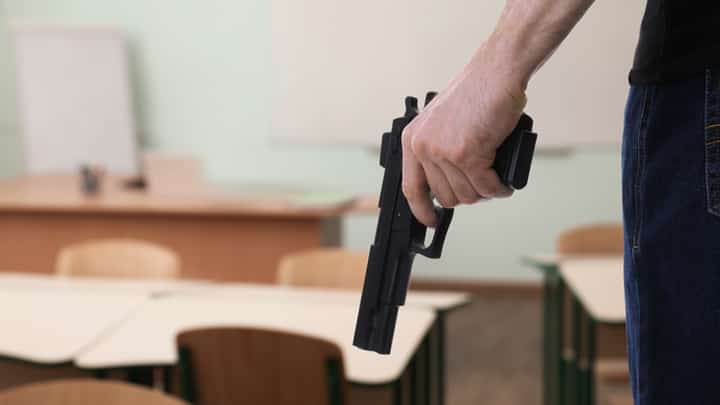
The past week has been tragic. While parts of Luzon were reeling from monsoon-driven rain and floods, Zamboanga experienced a terrible event every parent dreads — a school shooting.
Two students of a private school were killed, one of them the shooter. This is the second such incident since the June attack in a public high school in Tacloban, Leyte. Both incidents shocked, and continue to shock, the nation, especially when viewed through their effects on the survivors, the local communities and public policy.
The Philippines joins other parts of the world that have experienced deadly school attacks perpetrated by minors or students. This week, Sweden experienced a similar terror when a former student, an 18-year-old, attacked students in a Swedish high school with a sword, with one fatality and three injured reported.
In the previous week, Thailand also had a school shooting that left five teachers dead. School shootings, a global phenomenon, have been localized through the Tacloban and Zamboanga incidents.
It is only natural to ask how this could happen. What is causing this loss of innocence among the youth? Why are they snapping like twigs?
Various explanations have been offered: bullying, Roblox, parents, excessive social media and smartphone use, mental health, and others. These are all plausible reasons, and it would be remiss not to explore them and find answers. Still, while the search for causes must continue, the immediate task is to understand the impacts these events leave behind.
First, there is the impact on the survivors. Without a doubt, these incidents are traumatic for the students, teachers, and parents who survive them. Studies on mass shootings in the US and Norway, including Bharadwaj et al. in 2021 and Levine and McKnight in 2020, suggest adverse effects on test scores, mental health, and suicidal tendencies. The latter study also suggested that boys tend to be more vulnerable or responsive to these adverse effects.
Second, there is the economic impact on the community. Parents naturally become apprehensive and ask: how safe are my children inside the school, and how safe are they outside it? Nobody wants their child to be a victim or the perpetrator in a school shooting.
Lindstrom’s 2025 study concludes that enrollment decreases among economically advantaged or wealthier students, while enrollment among economically disadvantaged students increases. In other words, the behavior and decisions of parents affect the demand for education and possibly property in the community.
Schools, whether involved in a shooting or not, will also likely shift their budgets toward enhanced security, mental wellness programs, and possibly higher teachers’ salaries or expanded insurance coverage. After all, teachers and support services can also be traumatized and vulnerable to adverse changes in students’ risk behaviors.
Lastly, there is the impact on policy. There is growing urgency in calls to lower the age of criminal responsibility and increase the liability of gun owners who fail to safely store firearms away from minors. These have implications for children’s rights and gun ownership.
The trauma of a school shooting is difficult to comprehend. A nation is shocked, but it is the local community that mourns, supports survivors, picks up the pieces, and prepares to recover while policy debates try to prevent the next tragedy.
There are no easy answers. For myself, it is important to teach and share an appreciation of life. Too often, we get buried in our smartphones for entertainment and fail to appreciate that people and our connections to them are real.
There is escape in fantasy, but there is no escape from reality.