
Iraq to strengthen air defense after strikes
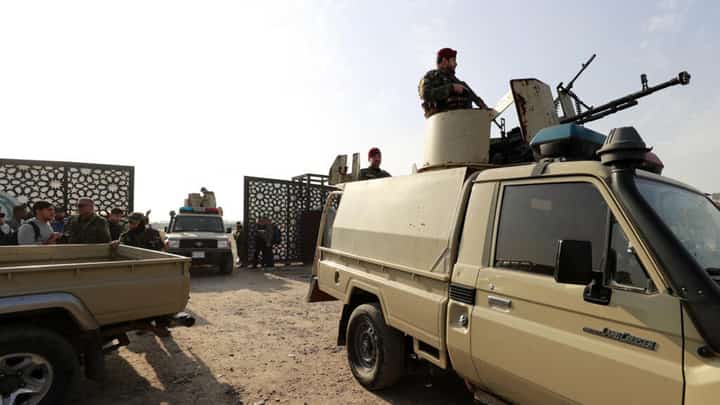
BAGHDAD (AFP) — Iraq has ordered that its air defenses and intelligence activities be bolstered, a government spokesperson said Friday, after United States-Saudi strikes on pro-Iran militants accused of launching attacks in the region.
Spokesperson Sabah al-Numan said that Prime Minister Ali al-Zaidi “issued strict and immediate orders... to raise alertness and readiness to the maximum across all camps and bases, particularly at the official bases of the armed forces and the Hashed al-Shaabi.”
Rebuilding and modernizing air defense capabilities is a “top priority,” Numan said, adding that this includes accelerating plans to equip and arm modern radar, early-detection and air defense systems.
On Wednesday, deadly US-Saudi strikes hit bases belonging to the Hashed al-Shaabi — an armed Iraqi alliance that has been integrated into the armed forces but also includes powerful pro-Iran groups known for acting unilaterally.
The US-Saudi strikes, which killed 20 fighters including five Iranians, came after Riyadh said its forces had intercepted drones targeting oil facilities, blaming Iran-backed groups in Iraq.
Iraq has long said it rejects the use of its territory to launch attacks on neighbouring countries.
Numan said Zaidi’s orders include strengthening intelligence activities “with the emphasis on restricting weapons to the state” and preventing any “individual irresponsible actions.”
The US-Saudi strikes follow growing US pressure on Baghdad to disarm pro-Iran groups, which intervened in support of Tehran during the Middle East war, targeting US facilities in Iraq and across the region.
Zaidi, who came to power earlier this year with Washington’s blessing, has vowed to ensure those groups hand over their weapons.
Tehran-backed armed groups, operating under the umbrella of the Islamic Resistance in Iraq, denied attacking Saudi Arabia, and warned that their response to the US-Saudi attacks is “inevitable.”
Washington and Tehran are Iraq’s main allies, but their enmity has long turned the country into a proxy battleground.