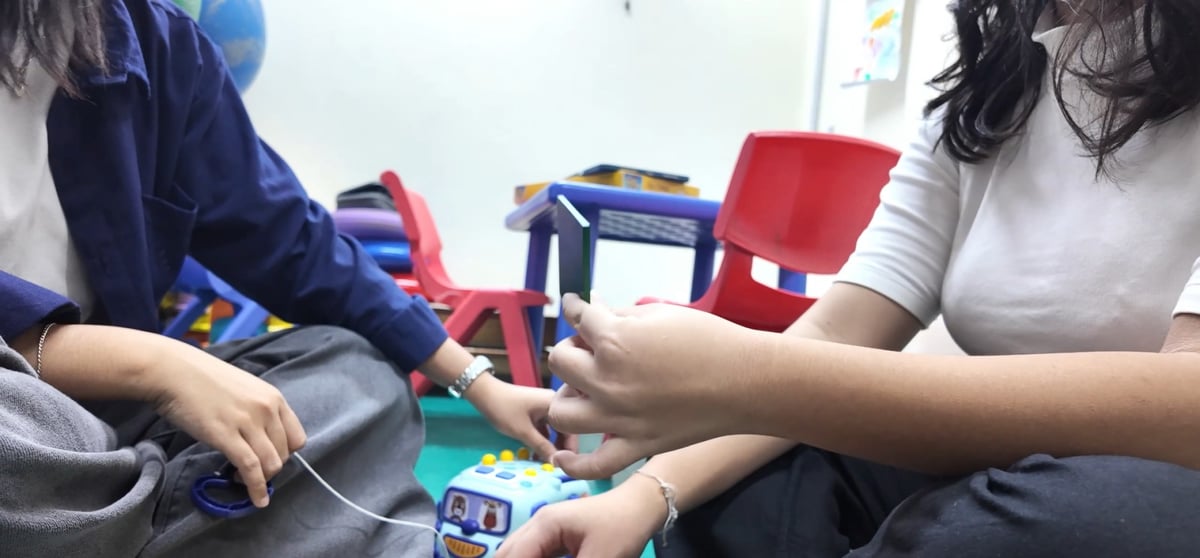
AAC encompasses a wide range of communication tools, from gestures, facial expressions and eye gaze to picture boards, writing systems and speech-generating devices. Depending on an individual's condition, AAC may be used temporarily or throughout life.
The advocacy emphasizes that AAC is not exclusive to children. It can benefit individuals of any age with developmental or acquired conditions, including autism spectrum disorder, cerebral palsy, stroke, traumatic brain injury, Parkinson's disease and ALS, enabling them to express needs, emotions, preferences and ideas more effectively.
Despite its benefits, misconceptions continue to limit access to AAC. Some families believe it delays speech development or should only be introduced after conventional speech therapy has failed. The advocacy campaign counters these myths, citing evidence that AAC can support language development, reduce frustration and improve participation in school, work and community life.
The campaign also highlights the role of licensed speech-language pathologists, who assess an individual's communication abilities and recommend the most appropriate AAC system. In the Philippines, the profession is regulated by the Professional Regulation Commission under Republic Act 11249, or the Speech-Language Pathology Act.
As part of the advocacy, PASP AAC-SIG has produced bilingual educational materials intended to reach parents, caregivers and communities, particularly in underserved areas where awareness and access to speech-language pathology services remain limited.
For advocates, the message is straightforward: every Filipino deserves the opportunity to communicate, participate and live with dignity. Raising awareness of AAC, they say, is a crucial step toward making that right a reality.