
U.S., Saudi strike Iran-backed militants
The US-Saudi strikes came after Riyadh said its forces had intercepted drones targeting oil facilities.
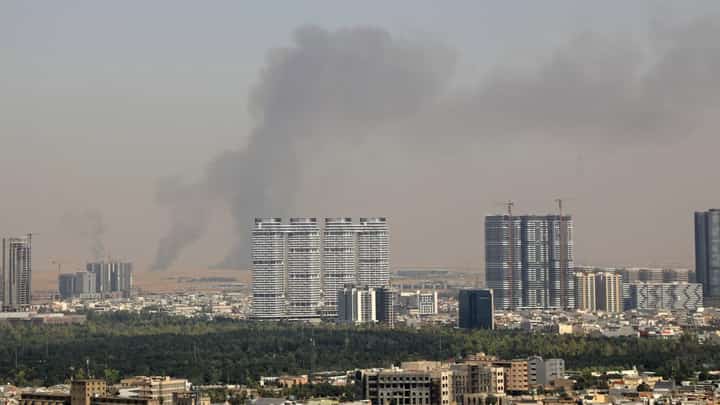
BAGHDAD (AFP) — At least 10 members of an Iraqi former paramilitary alliance were killed in United States-Saudi strikes on their bases in the country, two alliance sources told Agence France-Presse (AFP).
The US and Saudi Arabia said they had struck Iran-backed militants in Iraq in response to attacks on American forces and Saudi oil facilities.
“These attacks resulted in the martyrdom of a number of personnel and injuries to others, as well as material damage to several buildings and properties,” said the Popular Mobilization Forces (PMF), known as the Hashed al-Shaabi in Arabic, in a statement.
A PMF official told AFP that the strikes hit positions belonging to the alliance “across several provinces, with the deadliest attack in Nineveh province, where at least 10 members were martyred,” adding that the toll would likely rise.
Injuries were reported in other provinces, he added, while another official confirmed the initial toll.
Both officials spoke on condition of anonymity.
The PMF is an alliance of paramilitaries and factions created in 2014 to fight jihadists, and is now integrated into the Iraqi armed forces.
Iran-backed groups have brigades that operate within the alliance, but many of these groups have a reputation for acting on their own.
In a statement on Wednesday, the PMF described the US-Saudi strikes as a “dangerous escalation, a violation of Iraq’s sovereignty, and an attack on its official security institutions.”
The US-Saudi strikes came after Riyadh said its forces had intercepted drones targeting oil facilities in the east, blaming Iran-backed groups in Iraq.
But these groups described Saudi Arabia’s accusations as “fabrications,” and warned it against attacking Iraq.
The most active pro-Iran armed groups are united under an alliance known as the Islamic Resistance in Iraq, which has interfered in support of Tehran during the Middle East war, claiming hundreds of attacks against US bases in Iraq and across the region.
But they have not claimed any attacks since hostilities between the US and Iran resumed earlier this month.
Washington and Tehran are Iraq’s main allies, but their enmity has long turned the country into a proxy battleground and left successive governments struggling to maintain a delicate balance between the foes.
Amid growing US pressure, Iraq’s new Prime Minister Ali al-Zaidi, who came to power this year with Washington’s blessing, vowed to ensure pro-Iran armed groups would hand over their weapons, but has faced pushback from some powerful factions.
Earlier this month, Zaidi visited both the United States and Iran.