
Fueling a win-win
Toyota turns racetrack into ‘rolling laboratory’

CELEBRATING a strong run, Toyota Motor Philippines president Masando Hashimoto raises his fist during Race Weekend 2 at Clark International Speedway.
PHOTOGRAPH COURTESY OF Toyota
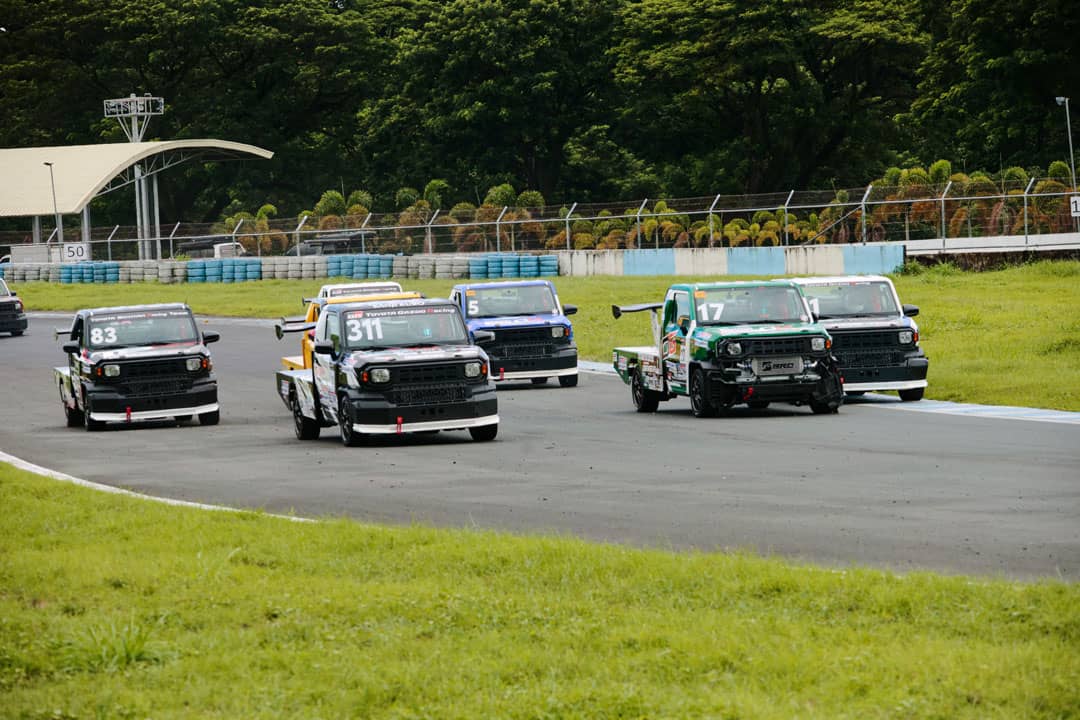
RACING Tamaraw entries powered by a B5 coco-biodiesel blend compete during the one-make event in Pampanga.
PHOTOGRAPH COURTESY OF Toyota
Race Weekend 2 of the Toyota Gazoo Racing Philippine Cup came to a close at the Clark International Speedway in Pampanga over the weekend.
Beyond the usual competition on the racetrack, the event also served as a “rolling laboratory” for testing low-carbon biofuels. Toyota Motor Philippines (TMP) is the first car manufacturer to test the use of biofuels for motorsports in the country. The initiative supports its effort to promote more sustainable motorsports.
The racecars competing in the Vios One-Make Races used an E20 bioethanol blend, while the Tamaraw One-Make Races used a B5 coco-biodiesel blend.
In addition to being low-carbon alternatives, the use of these biofuels supports Philippine energy security and agricultural development. It can help reduce petroleum imports while sourcing fuel products from feedstock grown by local coconut and sugarcane farmers.
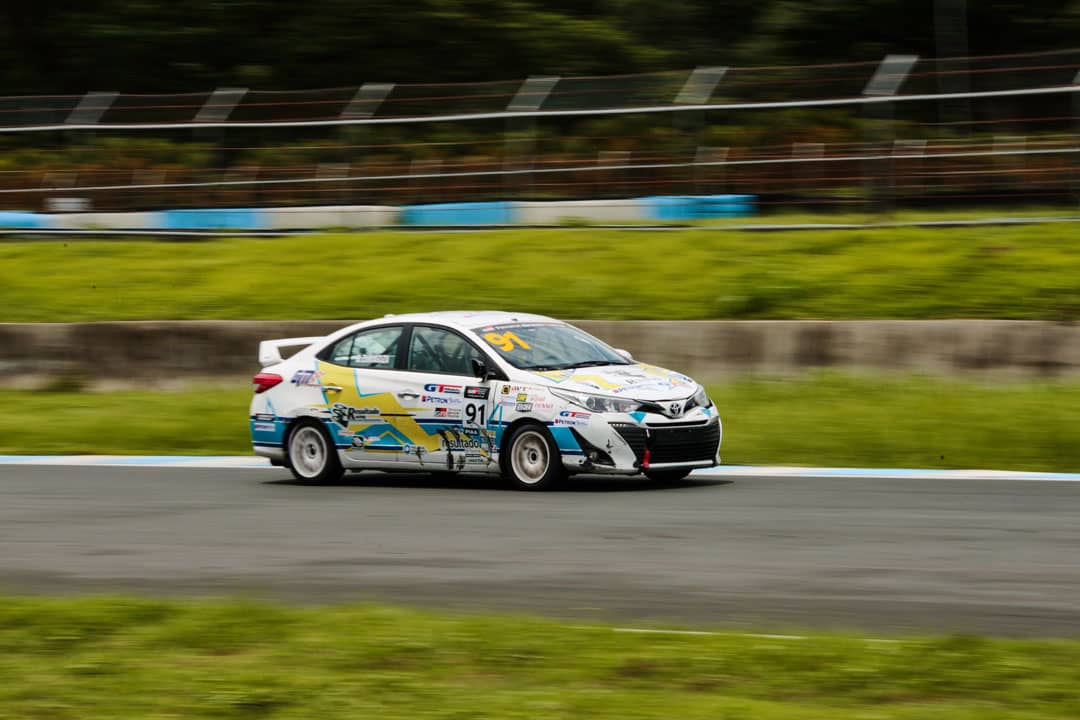
TESTING continues as a Vios race car using an E20 bioethanol blend takes on the Clark circuit.
PHOTOGRAPH COURTESY OF Toyota
The tests also place the fuels under tougher conditions than normal road use. Race engines run at high speeds and operate under heavy heat and stress for long periods. This allows Toyota to study how the blends perform when pushed beyond regular daily driving.
Through testing in extreme motorsports conditions on the racetrack, Toyota continues to evaluate the biofuels’ performance, efficiency and reliability. The automaker also plans to share the results with government agencies and biofuel stakeholders that support wider public adoption.
Currently, around three-quarters of Toyota and Lexus gasoline models are already E20-compatible, while all Toyota diesel models are B5-compatible.
This biofuel initiative is a major step in Toyota’s multi-pathway approach, which seeks to diversify both powertrain technologies and energy sources in the wider effort toward carbon neutrality.
The increased use and production capacity of locally sourced biofuels could improve fuel security in the Philippines. It could gradually reduce the country’s dependence on imported fossil fuels, which remain exposed to supply problems and price changes abroad.
Providing motorists with more sustainable fuel options for common internal combustion engine models such as the Vios and Tamaraw could also benefit the auto industry. Local farmers could gain from increased demand for feedstock used in the production of these fuels.
TMP president Masando Hashimoto said the wider use of biofuels could help make the country less vulnerable to disruptions outside the Philippines.
“Using biofuels matters because first, it helps make our fuel supply more stable,” said Hashimoto, who raced for Team Toyota Gazoo together with Justin Santos, Chenee Jimenez, Alex Lim, Enzo Ison and Will Lucas.
“If we can produce more of what we need locally, we are less affected by problems happening far away. Second, it supports our farmers. By using more coconut-based fuel, we create more demand for what they produce.”
The Clark event gave Toyota a working test bed for fuels that could later reach more vehicles on Philippine roads. It also showed how motorsports can serve a purpose beyond racing, with lessons from the track carried into everyday mobility.