
Ex-IBP head: Keep public trust focus
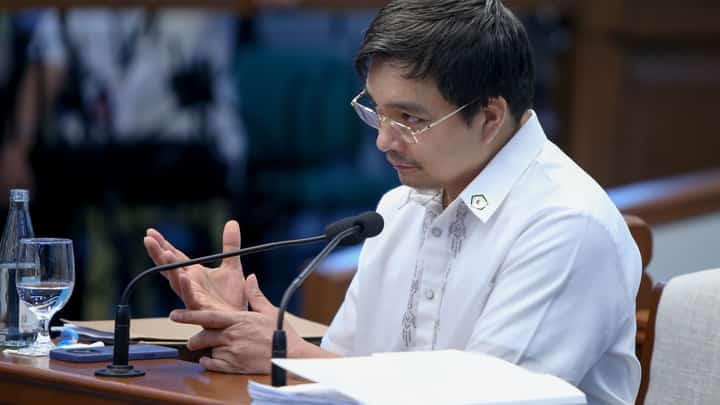
NBI-BARMM Regional Director Atty. Jeremy Lotoc during the fifth day of the impeachment trial against Vice President Sara Duterte on Tuesday, 14 July, said that the Vice President had betrayed public trust through her utterances stating that she had communicated with a person to kill the President, first lady, and the former House Speaker.
Aram Lascano
An impeachment complaint trial, according to former Integrated Bar of the Philippines (IBP) president Domingo Cayosa on Wednesday, should remain focused on determining whether a public official committed a betrayal of public trust, as it is not a criminal or civil proceeding involving a person’s life, liberty, or property.
Cayosa said, in a radio interview, impeachment was created under the Constitution as a mechanism to hold high-ranking government officials accountable and remove them from office if they are found unfit to continue serving.
He explained that impeachment is a means of holding public officials accountable for betraying the public trust. “It is not about life, liberty, or property,” he said.
Cayosa questioned why some issues and pieces of evidence were being extensively debated in the ongoing impeachment trial against Vice President Sara Duterte despite what he described as clear constitutional provisions and established facts.
He mentioned discussions during the proceedings appeared to have shifted toward arguments over legal technicalities and the assessment of evidence instead of directly addressing matters that could help establish the truth, including documents sought through subpoenas.
Public office a privilege
According to Cayosa, the proceedings should return to what he described as the “simple issue” of whether the acts attributed to the respondent amount to a betrayal of public trust.
Cayosa also emphasized that an impeachment conviction does not result in imprisonment, fines or deprivation of property.
“Public office is not property,” he said. “It is only a privilege. At any time, if you fail in your duties or abuse your authority, you can be removed from office,” adding, this principle applies to all public offices, especially the highest positions in government.”
The former IBP president also noted that some matters already discussed publicly, including videos that have circulated, should no longer be the subject of prolonged disputes if their authenticity or occurrence is already apparent.
Instead, Cayosa said, the impeachment court should determine whether those acts constitute a betrayal of public trust.