
Iraq PM, Trump meet amid Baghdad pressure
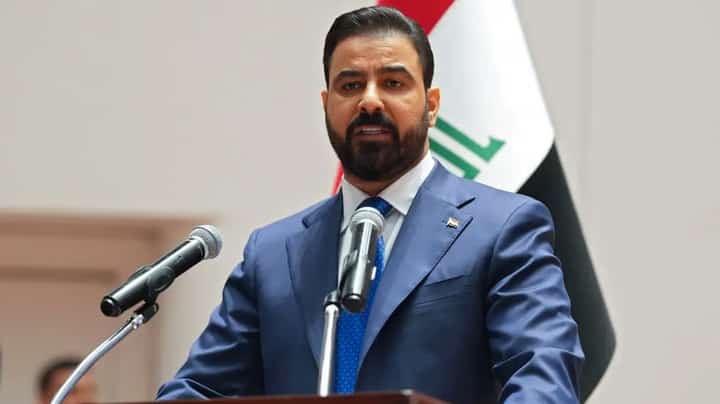
Baghdad (AFP) — Iraqi Prime Minister Ali al-Zaidi will meet United States President Donald Trump in Washington on Tuesday, as the US administration piles pressure on Baghdad to curb Iranian influence.
His visit comes against the backdrop of renewed military escalation between the United States and Iran, Iraq’s main allies.
Washington and Tehran’s enmity has long turned Iraq into a proxy battleground and left successive governments struggling to maintain a delicate balance between the two foes.
Zaidi arrived in Washington on Monday for his first international visit since assuming office — a week-long trip during which he will meet Trump, US officials and representatives of oil companies.
A businessman who came to power this year with US blessing after Trump vetoed another candidate, Zaidi vowed to boost Iraq’s fragile economy and to disarm the pro-Iran armed groups that have targeted US facilities.
In an op-ed in the Washington Post ahead of his visit, Zaidi wrote that he leads “a government committed to ensuring that the state possesses the legitimate monopoly on the use of force.”
His government has given armed groups, which Washington designates as terrorist organizations, until 30 September to disarm, coinciding with the end of the US-led anti-jihadist coalition’s mission.
A senior Iraqi politician told Agence France-Presse (AFP) on condition of anonymity that even if the current government adopts a more US-friendly path, prioritizing the economy, “it doesn’t mean that Iraq is turning against Iran.”
Iraq “must maintain the long-standing balance” between its allies, he said.
Last week, Iraq’s holy cities, home to Shia Islam’s most sacred shrines, hosted a massive funeral procession for Iran’s late supreme leader Ali Khamenei, who was killed in a US-Israeli strike on Tehran.
The Iraqi government believes that maintaining a state monopoly over arms is a must to attract investments.