
Defense raises bias issue in NBI probe; Lotoc denies political influence
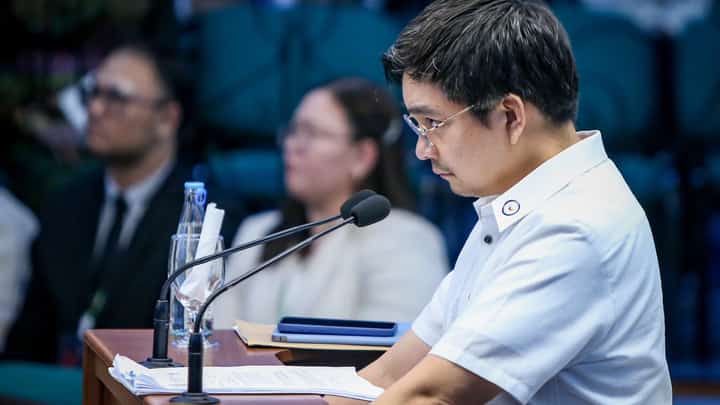
Vice President Sara Duterte's defense sought on Monday to cast doubt on the impartiality of the National Bureau of Investigation's (NBI) criminal investigation into her alleged death threats against President Ferdinand Marcos Jr., arguing that the bureau's position under the executive branch created the appearance of bias.
But Jeremy Lotoc, one of the investigators in the case, rejected the suggestion, telling the Senate impeachment court that the probe was based on evidence and conducted independently despite the NBI's administrative attachment to the Department of Justice (DOJ).
"Our investigation is evidence-based. We believed the evidence was complete and that we had established a prima facie case with reasonable certainty and conviction," Lotoc told the impeachment court.
The exchange came as the Senate impeachment court heard evidence under Article IV of the impeachment complaint, which accuses Duterte of assasination plot, grave threats, and inciting sedition against the government, over remarks she made during an online press conference on Nov. 23, 2024.
During that livestream, Duterte declared that she had contracted someone to kill Marcos, First Lady Liza Araneta-Marcos and then-House Speaker Martin Romualdez if she herself were assassinated, adding that the instruction was "no joke."
President Marcos subsequently described Duterte's remarks as "reckless and troubling" and said his administration would not tolerate threats against the country's highest officials. Days later, the NBI summoned Duterte to answer complaints arising from her statements.
The investigation unfolded as the once-powerful Marcos-Duterte alliance, which swept the 2022 elections, had largely collapsed. By then, Duterte had resigned as education secretary and was facing congressional scrutiny over her offices' use of confidential funds. The criminal investigation into her remarks would later be incorporated into the House impeachment complaint.
Defense lawyer Mark Vinluan questioned Lotoc on whether the NBI's findings could be considered impartial since the bureau is under the DOJ, which in turn belongs to the executive branch headed by Marcos, one of the alleged targets of Duterte's remarks.
Duterte herself raised after the NBI launched its investigation in late 2024, when she questioned whether the bureau and the DOJ could independently investigate a case involving the President.
At the time, she argued that she could not expect an impartial investigation because the DOJ supervises the NBI while both belong to the executive branch headed by Marcos. She also cited what she described as prejudicial public statements by administration officials regarding the case.
Lotoc acknowledged that the President heads the executive branch but said that did not translate into interference in the bureau's work.
Asked directly whether Marcos intervened in the investigation, Lotoc replied: "Of course not."
Lotoc testified that the NBI began its investigation motu proprio on Nov. 23, 2024—the same day the DOJ issued a directive to investigate—but said the bureau would have proceeded regardless because Republic Act No. 10867, or the NBI Modernization Act, grants it primary jurisdiction over cases involving threats against the President and other top government officials.
"With or without the directive from the DOJ, the NBI has primary jurisdiction on that case," he said.
The defense also sought to show that the NBI's legal conclusions had been publicly presented as definitive findings.
Vinluan referred to Lotoc's appearance before the House Committee on Justice earlier this year, where NBI officials testified that Duterte's statements constituted grave threats and inciting to sedition. He noted that the bureau did not explain during those hearings that its findings were merely recommendations and were not binding on either the DOJ or the courts.
Lotoc agreed that no such clarification had been made, saying no lawmaker had asked about the legal effect of the bureau's findings.
He nevertheless maintained that the NBI's conclusions were subject to independent review by prosecutors.
According to Lotoc, the DOJ initially required the NBI to submit additional evidence before accepting its referral, demonstrating that prosecutors did not automatically adopt the bureau's findings.
"The DOJ will evaluate" the evidence, he said, adding that prosecutors required the NBI to comply with additional requirements before acting on the referral.
House private prosecutor Atty. Amando Virgil Ligutan repeatedly objected to Vinluan's line of questioning, arguing that it had no bearing on the impeachment proceedings.
Ligutan said the Senate impeachment court was not determining Duterte's criminal liability but whether her conduct constituted betrayal of public trust.
"The question is whether the Vice President betrayed public trust," Ligutan argued, saying whatever action the DOJ or the regular courts may eventually take on the criminal complaints was separate from the constitutional issues before the impeachment court.
House prosecutors have consistently argued that Article IV does not depend on whether Duterte is ultimately convicted in a criminal case. Instead, they contend that the Vice President's public statements alone, made while holding one of the country's highest offices, are sufficient to establish grounds for impeachment.