
Digital skills seen bridging education gap
Nearly 11 million Filipinos aged five to 24 were out of school in 2024, according to the Philippine Statistics Authority, representing about a quarter of the country’s population in that age group.
For many of them, the barriers are familiar: tuition costs, family finances and the need to earn a living before they can continue their education.
As digital jobs continue to expand, a lawmaker believes technology training could provide a bridge between leaving school and eventually returning to it.
Solid North Partylist Rep. Ching Bernos urged the government to strengthen digital literacy programs for out-of-school youth, saying practical skills could improve their chances of finding work while giving them an opportunity to finance their education later.
“Such training could be of particular use to our senior high school graduates who have not been able to enroll in college and would like to find jobs that would help sustain higher studies in the near future,” she said.
Bernos said many remote and digital jobs now require technical skills that can be acquired through targeted training rather than a college degree.
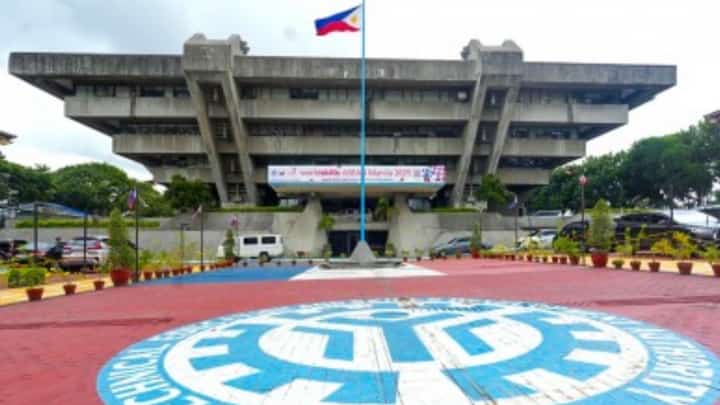
She pointed to the Technical Education and Skills Development Authority (TESDA) as the appropriate agency to expand such programs through its existing courses in information and communications technology, digital skills and artificial intelligence.
TESDA also offers free scholarship programs for selected courses, some of which include daily allowances and national certification assessments.
Bernos said the programs should prioritize young Filipinos who were unable to pursue higher education because of financial hardship.
“The sad reality is that many young Filipinos who wish to enter higher learning institutions are unable to because they do not have the means, and we only have so many scholarship slots to give,” she said.
She added that equipping young people with marketable digital skills would allow them to find employment, earn an income and eventually return to school on their own.