
Manila sends home 22 rehabilitated youths
The Manila city government has reunited 22 rehabilitated children in conflict with the law (CICLs) with their families after they completed counseling, psychosocial intervention, and behavioral rehabilitation under the Manila Department of Social Welfare (MDSW).
MDSW director Jay dela Fuente said the children successfully completed the city’s rehabilitation program at the Manila Boys Town Complex in Marikina City before being cleared for reintegration into their communities.
The 22 youths returned to their families about two weeks ago after social workers determined they were ready to resume normal family life.
Despite the reunifications, 47 children remain at the Manila Boys Town facility, where they continue to undergo rehabilitation.
Dela Fuente said the center provides formal education, regular medical checkups, nutritious meals, recreational activities and counseling to help prepare the children for eventual reintegration.
Each child is enrolled in school according to age and has access to sports and other activities under the supervision of social workers.
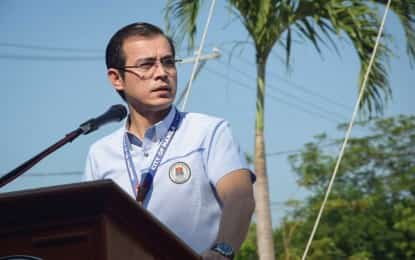
To help prevent the children from returning to conflict with the law, Mayor Isko Moreno’s administration is also providing livelihood assistance or startup capital to their families.
“The mayor did something even better. After the children were reunited with their families, their parents were also given livelihood assistance or cash capital to help them start a source of income,” Dela Fuente said.
He said many cases involving children in conflict with the law stem from poverty and dysfunctional family situations, making economic support a key component of the city’s intervention program.
The city government will also continue monitoring the children after they return home.
“We don’t simply send them back to their families. Our social workers will continue visiting them, conduct case studies, and monitor their progress to ensure the city’s intervention is working,” Dela Fuente said.
The Manila city government said the continuing supervision is intended to help former CICLs successfully reintegrate into society and reduce the likelihood of repeat offenses.