
Peril of getting used to less

FROM cable to coach Passengers board a replacement shuttle bus after the Maokong Gondola temporarily suspended operations.
PHOTHGRAPH by Vivienne Angeles for DAILY TRIBUNE
The most dangerous thing isn’t hardship. It’s getting used to it.
One of the biggest lessons Taiwan taught me wasn’t found in its tourist attractions. It was in how prepared its people — and its systems — are.
I was in Taiwan on a five-day media tour. On our fourth day, we were scheduled to ride the Maokong Gondola, the cable car connecting the Taipei Zoo to the mountain village of Maokong.
The day before, a thunderstorm advisory was issued. Our tour coordinator joked that we should pray for good weather because the gondola would stop operating if conditions became unsafe.
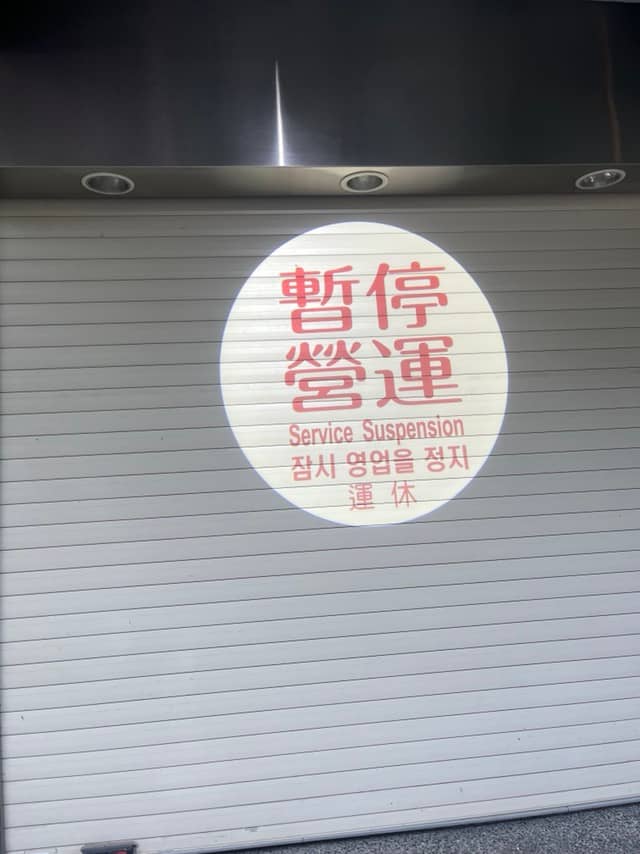
Ride on hold A service advisory posted at the Maokong Gondola station notifies passengers of the temporary suspension of gondola operations.
But the next day, the ride went on as planned.
For nearly 20 minutes, our Zootopia-themed cabin floated above the city. Taipei 101 peeked through the skyline while lush green mountains stretched below. By late afternoon, we returned for the trip back. Dark clouds had gathered. Lightning flashed. It still wasn’t raining.
We had already tapped our tickets and were next in line when a Taiwanese police officer suddenly motioned for everyone to step back. Guards immediately cleared the boarding area.
None of us Filipinos understood what was happening, but the urgency said enough. Then we were handed chairs. The entrance was closed.
Anticipation makes difference
Only later did our tour guide explain that the gondola operations had been suspended because the weather could become dangerous. Not because it already was. Because it could be.
Within minutes, bottles of water were distributed. Before we could even ask what Plan B was, personnel escorted us to a shuttle bus that had apparently been on standby all along. No confusion. No scrambling. No waiting for a crisis before taking action.
Everyone knew exactly what to do — as if the preparedness wasn’t exceptional, but simply expected.
Less than 20 minutes later, we were back at our meeting point, where our tour bus was waiting.
Only then did the rain begin to fall.
In our country, we often wait until something breaks before acting. Trains keep running until they stall. Offices remain open despite flooded streets. People continue commuting through dangerous conditions because we’ve learned to accept inconvenience as normal.
We have become too used to hardship. Too used to reacting instead of preparing.
So when I experienced a system that prioritizes prevention over response, it felt unfamiliar.
Not because it was extraordinary. Because somewhere along the way, I had become used to less.
That, perhaps, was the saddest realization of all. Preparedness should not feel like a luxury.
Prompt service should not feel extraordinary. Yet, somehow, they do.