
Mine rehabilitation targets full restoration

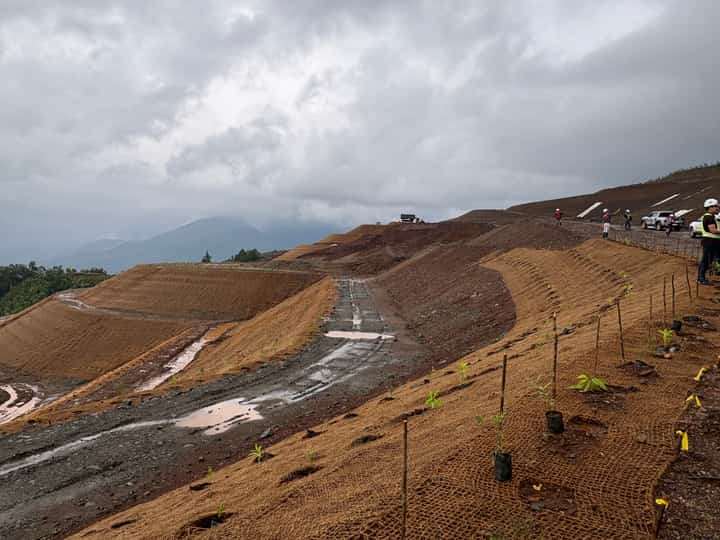
Citinickel Mines and Development Corporation (CMDC) and Berong Nickel Corporation (BNC) are pouring resources into restoring mined-out areas in Palawan, underscoring a shift in the nickel industry from mineral extraction to long-term environmental recovery and sustainable land use.
BNC’s rehabilitation program is set to become the country’s first approved Final Mine Rehabilitation and Decommissioning Plan (FMRDP) for a nickel mine.
The rehabilitation program, scheduled for completion in 2027, will culminate in the formal turnover of the restored mine site to the government after six years of environmental recovery.
The Berong Mine, located in Quezon, Palawan, covers a 288-hectare Mineral Production Sharing Agreement area. Of the 137 hectares previously disturbed by mining activities, around 100 hectares have already been rehabilitated, while restoration continues across the remaining areas.
Rather than relying solely on tree planting, BNC’s rehabilitation combines engineering and ecological restoration through slope stabilization, topsoil replacement, erosion control, drainage management, indigenous tree planting, and biodiversity monitoring to restore the landscape to a safe and productive condition.
As of 2026, the company has invested about P160 million in rehabilitation, planted nearly 352,000 seedlings with a 97 percent survival rate, and produced more than 497,000 seedlings in its nurseries, allowing it to exceed its Year 4 rehabilitation targets.
The company’s rehabilitation efforts come as fellow Palawan nickel producer Citinickel Mines and Development Corporation (CMDC) also continues to expand its environmental restoration program. CMDC earlier reported that it has rehabilitated hectares of land while planting more than 1.2 million trees as part of its commitment to achieve a 100 percent rehabilitation rate after mining operations. The company also maintains a central plant nursery capable of accommodating up to 700,000 seedlings to support continuing reforestation and ecosystem restoration.
Beyond restoring former mine areas, BNC also implements mangrove reforestation, sea turtle conservation, and coral gardening projects in partnership with the Department of Environment and Natural Resources, regulators, and host communities to strengthen biodiversity in Palawan.
The company said its contribution extends beyond environmental rehabilitation. Between 2007 and 2022, BNC invested nearly P200 million through its Social Development and Management Program, funding education, healthcare, livelihood projects, infrastructure, and socio-cultural initiatives.
At the peak of its mining operations in 2019, BNC employed 537 workers, 97 percent of whom came from Palawan.
Its livelihood programs have benefited farmers, fisherfolk, and women’s groups through agroforestry, banana cultivation, sea cucumber culture, and seaweed farming, while scholarship initiatives enabled 161 college students and 86 Indigenous Peoples scholars to complete their bachelor’s degrees.
The company also financed emergency obstetric and newborn care facilities, health centers, ambulances, medicines, and community health workers serving more than 8,000 residents in Barangays Berong and Aramaywan. It further invested in farm-to-market roads, schools, child development centers, barangay halls, churches, covered courts, footbridges, electrification projects, and other community infrastructure.
In addition, BNC remitted P161 million in royalties to Indigenous Peoples to support community development.
With rehabilitation progressing ahead of schedule and environmental programs continuing beyond mine closure, BNC said its long-term goal is to leave behind safe, stable, and productive landscapes that continue to provide environmental and economic benefits long after mineral extraction has ended.