




Invasive fish threatens Laguna Lake

Text size
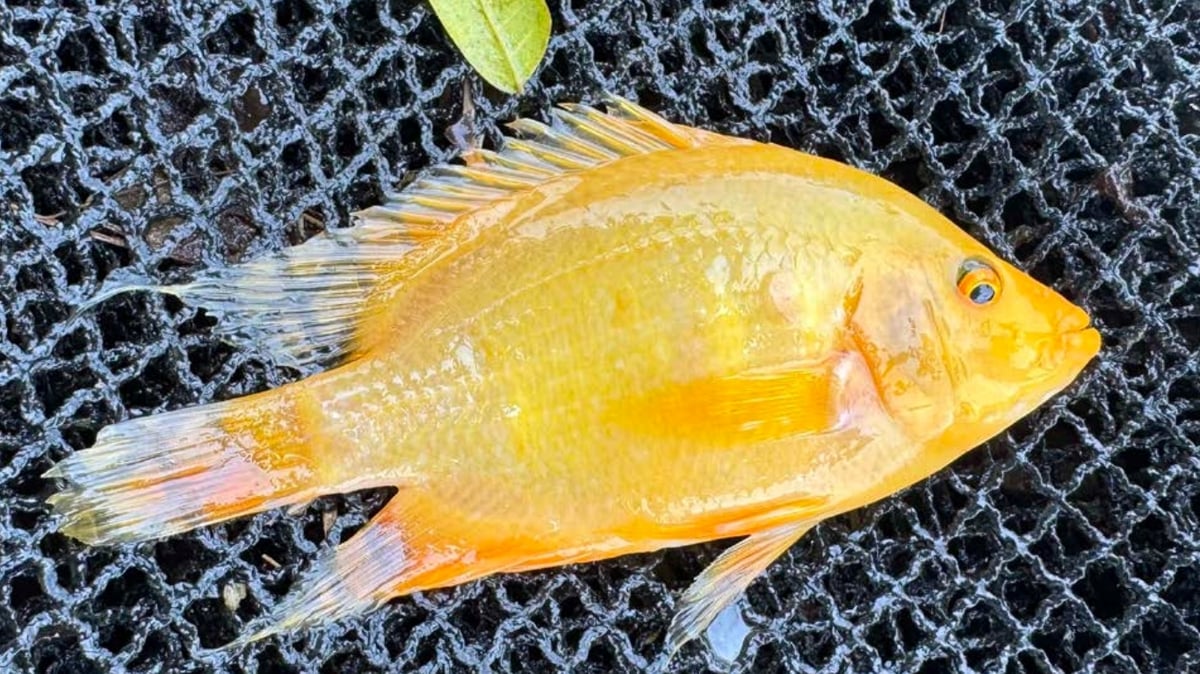
A brightly colored aquarium fish once prized by collectors has quietly become an environmental threat in Lake Sampaloc in San Pablo City, Laguna, with researchers warning that the invasive Flowerhorn cichlid is disrupting the lake’s ecosystem, threatening native species, and potentially posing health risks to humans.
Researchers from the Ateneo de Manila University Department of Biology and the Ateneo Aquatic and Fisheries Resources Laboratory found that the ornamental fish, originally introduced through the aquarium trade, has established a growing presence in the volcanic crater lake after reportedly escaping during a typhoon years ago.
Their study found that Flowerhorns are no longer simply escaped pets but have become integrated into local aquaculture through intentional retention and sale, allowing the species to persist and spread further.
Known for their aggressive territorial behavior, Flowerhorns compete for breeding grounds and feeding areas, putting pressure on native fish populations.
Among the hardest hit is the Ayungin (Leiopotherapon plumbeus), once a common freshwater staple in the lake but now rarely seen and currently listed as Vulnerable by the International Union for Conservation of Nature.
Researchers said the species has also shown remarkable adaptability, thriving despite worsening lake conditions caused by untreated sewage, nutrient runoff, microplastics, and pollution linked to aquaculture and household waste.
Beyond ecological damage, scientists warned of possible public health concerns.
Previous studies showed Flowerhorns can carry Paracapillaria philippinensis, a zoonotic parasite capable of infecting humans and causing intestinal capillariasis, an illness associated with abdominal pain, chronic diarrhea and malnutrition.
“The species may serve as a possible reservoir of parasites, pathogens, and contaminants, providing a strong foundation for future ecological, parasitological, and aquaculture research aimed at developing evidence-based management strategies for invasive Flowerhorn populations,” researcher Hannah Nicole Gasmen said.
To control the invasive population, researchers proposed harvesting Flowerhorns and converting them into aquafeed under a circular economy model, provided the fish undergo proper screening for parasites and contaminants.
The study also recommended wider use of the Aquatic Species Invasiveness Screening Kit to help detect high-risk invasive freshwater species before they spread further in Philippine lakes.
“Protecting and sustaining our aquatic ecosystems requires a collaborative approach among communities, research institutions, and policymakers,” Gasmen said.
The study, “Fenced and Feral: Farming and Spread of Flowerhorn (Amphilophus spp.) in Lake Sampaloc, Philippines,” was published in the March 2026 issue of World Aquaculture.
Three decades after the Marcopper mining disaster devastated Marinduque’s waterways, the province is again pressing the…
Housing is probably the biggest issue affecting people the world over.
Malacañang on Monday called for a more thorough investigation into the questioned flood control projects in Taguig…
The defense on Monday backed the move by senator-judges to exclude a prosecution witness who testified on the firearms…
