
Rebuilding a giant
Artificial intelligence has unexpectedly created an opportunity. As demand for advanced chips continues to accelerate, global manufacturing capacity remains under pressure.

For decades, Intel defined the personal computer. Its familiar “Intel Inside” sticker became one of the most recognizable brands in technology, powering millions of computers around the world and helping establish Silicon Valley as the center of the semiconductor industry.
Then the company stopped leading. While rivals embraced smartphones, artificial intelligence and contract chip manufacturing, Intel struggled through years of missed opportunities, manufacturing delays and shrinking market share. Competitors such as Nvidia, AMD and Taiwan Semiconductor Manufacturing Co. surged ahead as the chip industry entered its most transformative era.
Many wondered whether Intel’s best days were behind it.
Instead of disappearing, the company chose to rebuild.
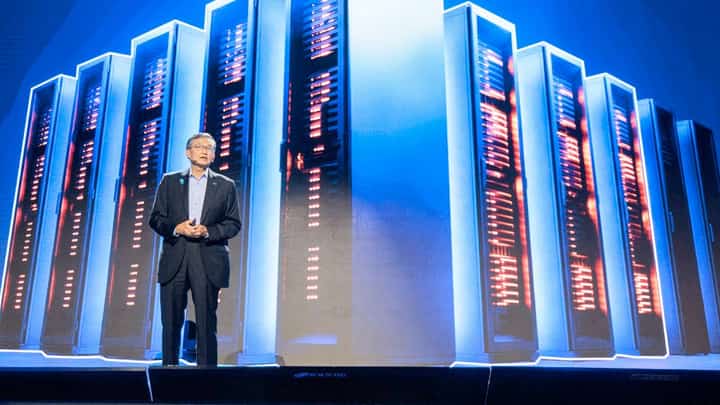
That effort is now being led by chief executive Lip-Bu Tan, whose arrival has brought renewed optimism to one of technology’s most storied companies. At recent technology conferences, Tan has become an increasingly recognizable figure, reflecting growing confidence that Intel may once again become a major force in the semiconductor industry.
The optimism comes after one of the most difficult periods in the company’s history.
Intel spent years investing billions of dollars in new manufacturing technologies while watching competitors capture much of the artificial intelligence boom. Revenue slowed, profits disappeared and investor confidence weakened as expensive factory expansions weighed on the company’s finances.
For many companies, such a decline would have marked the beginning of the end.
Artificial intelligence has unexpectedly created an opportunity. As demand for advanced chips continues to accelerate, global manufacturing capacity remains under pressure. Technology companies are searching for additional suppliers capable of producing increasingly sophisticated semiconductors.
Intel is positioning itself to become one of them.
The company has begun securing high-profile manufacturing partnerships, including agreements involving Nvidia and Apple, while also working with Elon Musk’s ventures on future semiconductor technologies. Although many of those projects remain subject to technical milestones, they signal renewed confidence that Intel’s manufacturing business may again become globally competitive.
Intel spent billions constructing advanced fabrication facilities in Arizona and New Mexico while continuing research into next-generation manufacturing processes. For years those investments generated more questions than profits.
Now they are beginning to attract customers.
Even so, Intel’s recovery remains incomplete.
The company continues to report losses, its server processor market share remains well below where it stood a decade ago, and competitors continue to lead in several of the fastest-growing areas of artificial intelligence computing.
Lip-Bu Tan himself has reportedly told colleagues that rebuilding Intel will take years, not months.
Intel’s greatest challenge was never designing faster processors. It was rediscovering how to compete after losing its place at the top.
Even industry giants stumble. The companies that endure are not always the ones that avoid failure. They are the ones willing to rebuild after it.