
From wood to fabric: Journeys into Philippine living traditions
Journeys into indigenous communities can become among the most meaningful experiences in the Philippines, but they must be approached differently from ordinary sightseeing.


Beyond the Philippines’ familiar skylines, celebrated beaches and busy souvenir markets lies another kind of travel experience — one that leads visitors into communities where culture is not confined to museums or history books, but remains part of everyday life.
Across the archipelago, indigenous artisans continue to carve wood, embroider cloth and weave fibers using knowledge passed down through generations. Their creations are more than decorative objects. They embody beliefs, ancestral memories, relationships with the natural world and the identities of the communities that sustain them.
For culturally curious travelers, visiting these places offers an opportunity to see traditional artistry in its living context. Such journeys, however, require more than admiration. They call for patience, sensitivity and respect for the people who carry these traditions forward.
Northern artistry in Ifugao
In the highlands of northern Luzon, Hungduan in Ifugao offers travelers a quieter route into the cultural landscape of the Cordillera.
About an hour from the Banaue town center, depending on road conditions, Hungduan is known for its mountain scenery, terraced fields and communities that preserve long-established carving traditions. The journey itself passes through winding roads and dramatic highland terrain, making the destination as memorable as the craft encounters awaiting visitors.
Among the most recognizable objects associated with Ifugao culture is the bulul, a carved wooden figure connected with rice, abundance and ritual life. Traditionally regarded as a guardian of the rice granary, the bulul carries meanings that extend far beyond its familiar form.
In communities such as Hapao, woodcarving knowledge has been handed down through families and generations. The selection and preparation of wood may be guided by inherited customs and beliefs, while the finished figure reflects the carver’s skill as well as the spiritual traditions surrounding rice cultivation.
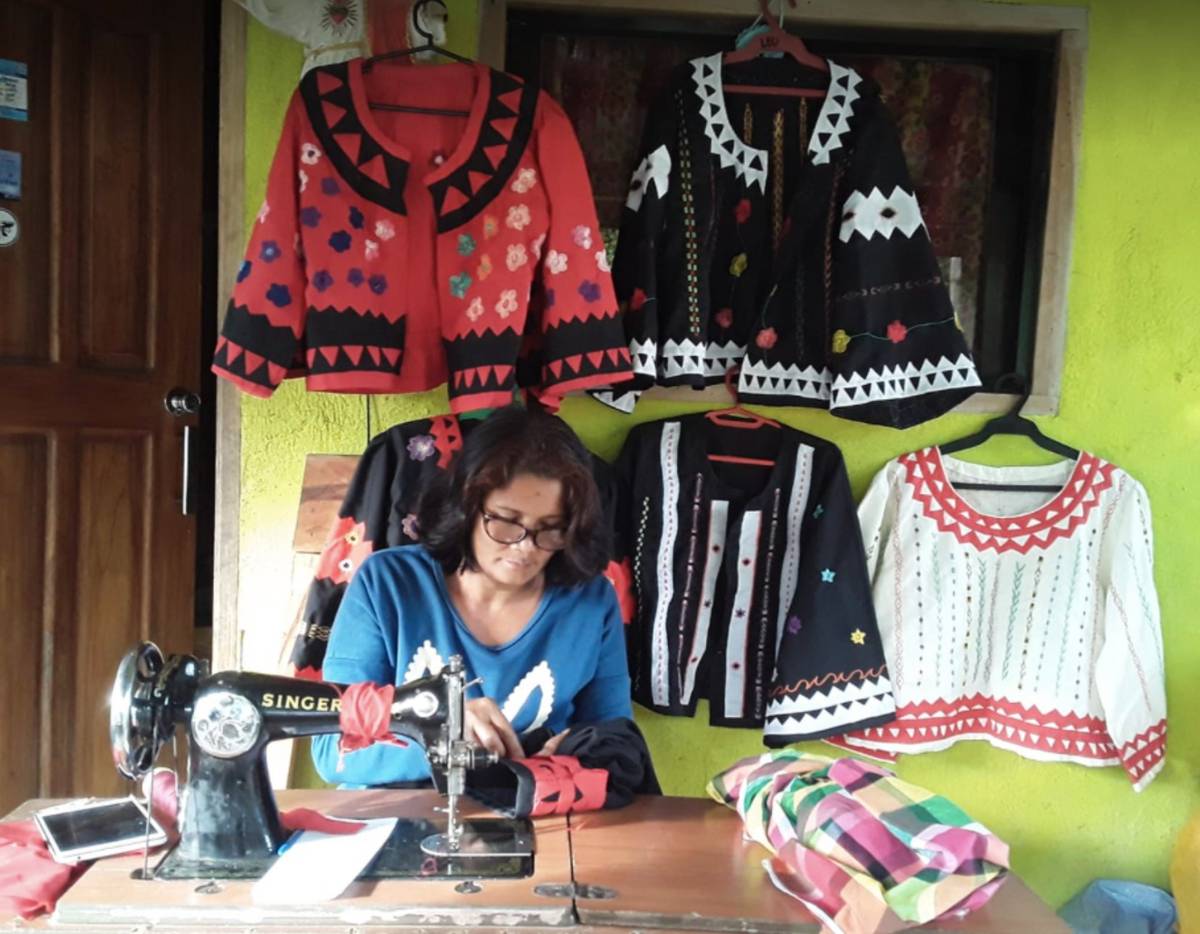
PANUBOK embroidery reflects the natural environment and cultural memory of the Panay Bukidnon people.
Photograph courtesy of Balik Batik/X
Travelers interested in meeting local artisans should arrange visits through community contacts, local guides or tourism offices whenever possible. Workshops and unfinished carvings are working and, in some cases, culturally significant spaces rather than staged attractions.
Visitors should always ask permission before taking photographs, entering work areas or touching carvings. A bulul should not be treated merely as an unusual backdrop for a photograph, particularly when it remains connected to ritual or household use.
Comfortable trekking shoes, rain protection and clothing suitable for cool mountain weather are advisable. Because establishments and transportation may be limited in remote areas, travelers should also bring drinking water and other essentials.
A visit to Hungduan may be combined with walks around the Hapao Rice Terraces, hot springs and nearby villages. Moving slowly through the landscape allows travelers to understand how carving, farming, belief and the mountains remain closely intertwined.
Embroidered stories in Panay
In the uplands of Panay, the Panay Bukidnon people preserve panubok, an embroidery tradition distinguished by intricate motifs drawn from plants, animals and the surrounding environment.
Patterns may include linabog, inspired by the wild ginger flower, and binalagon, characterized by vine-like forms. Sewn carefully onto cloth, these motifs form part of a visual language through which cultural knowledge, memory and identity are expressed.
Panubok has also been associated with the binukot, highly respected women who were traditionally kept apart from ordinary village life and trained in oral literature, customary knowledge and the performance of the sugidanon, the chanted narratives of Panay.
Although the older practice of secluding a binukot is no longer observed in the same way, the embroidery and epic traditions connected with Panay Bukidnon heritage continue to be transmitted by cultural bearers, elders and younger community members.

T’NALAK.
Photograph courtesy of Wikipedia
Travelers may encounter these traditions through Schools of Living Traditions and community-based cultural programs in the upland areas of municipalities such as Calinog in Iloilo. Reaching these communities can involve a journey of approximately two hours or more from Iloilo City, followed by travel along mountain roads that may require a motorcycle or locally arranged vehicle.
The relative remoteness of the destination is part of the experience. As the roads rise from the lowlands, rice fields and urban settlements give way to forested slopes and upland communities where traditions remain rooted in place.
Visits should be coordinated in advance. Demonstrations, performances and conversations with cultural bearers should be arranged on terms that are respectful of their schedules and community protocols. Travelers purchasing embroidered work should buy directly from artisans or recognized community groups when possible, helping ensure that income reaches the people who created it.
Rather than viewing panubok only as a colorful textile, visitors are encouraged to learn about the meanings of its motifs and the stories carried by each carefully stitched design.
Following the dream weavers of Lake Sebu
Farther south, the cool highlands of Lake Sebu in South Cotabato are home to the T’boli people and their celebrated t’nalak weaving tradition.
Made from abaca fiber, t’nalak is produced through a demanding process that includes stripping and preparing the fiber, tying the patterns, applying natural dyes and weaving the cloth on a backstrap loom. Its geometric designs emerge gradually, requiring patience, concentration and a profound command of the craft.
T’nalak weavers are often called “dream weavers” because designs are traditionally understood to come through dreams associated with Fu Dalu, the spirit connected with abaca. For this reason, the cloth is not simply a commercial textile. It carries spiritual, social and cultural significance within T’boli life.
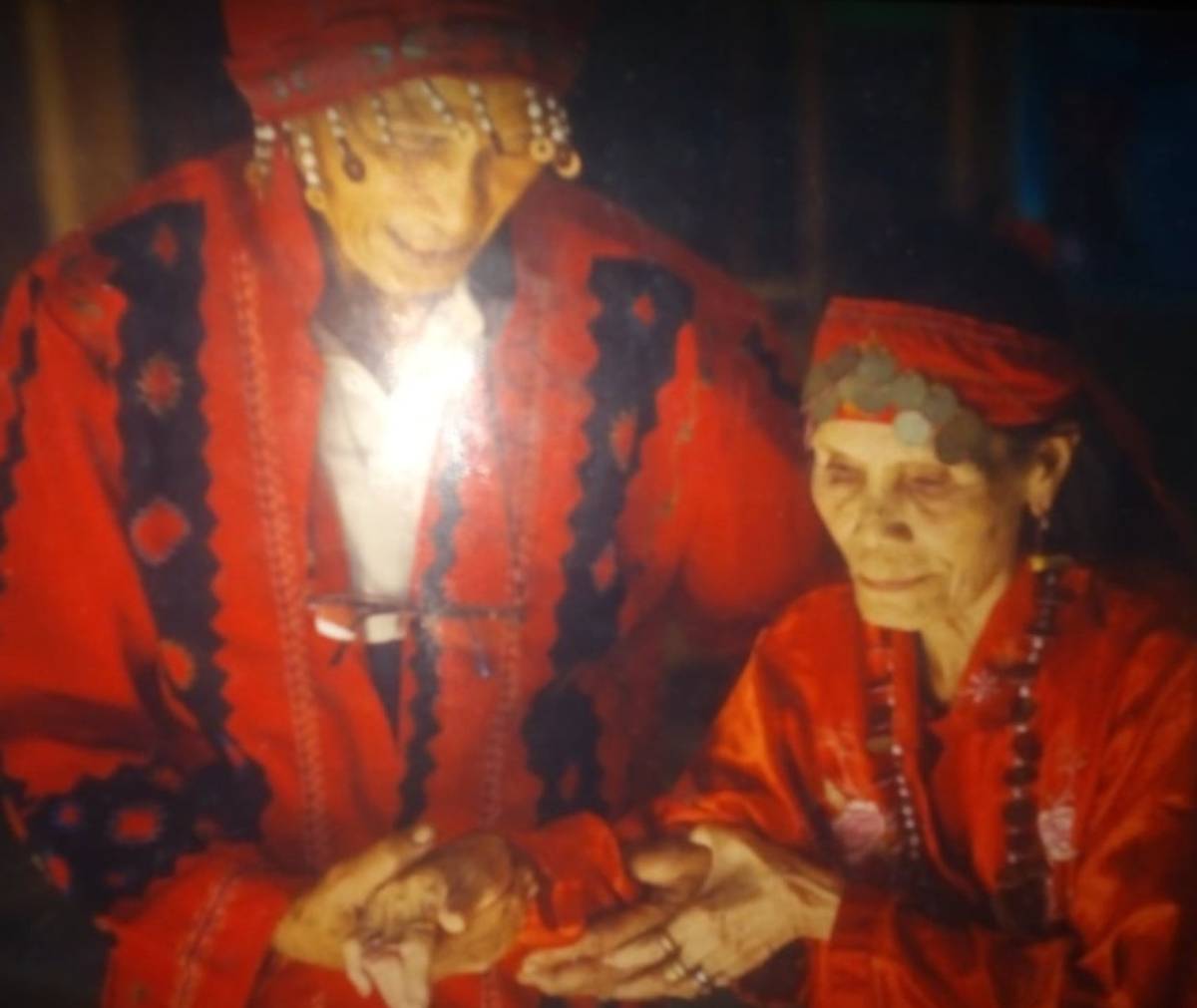
THE binukot of the Panay Bukidnon communities
Photograph courtesy of balik batik/x
Travelers can visit weaving centers and community-based cultural spaces around Lake Sebu to observe parts of the weaving process and meet artisans who continue to preserve the tradition. Some centers also display beadwork, brass ornaments, traditional clothing and other expressions of T’boli artistry.
From General Santos City, the journey to Lake Sebu generally involves land travel through Koronadal and onward into the highlands. Travel time varies depending on transportation and road conditions. From the town center, motorcycles and local vehicles can bring visitors to weaving communities, cultural centers and lakeside attractions.
Lake Sebu itself encourages a slower style of travel. Its misty mornings, forested hills and expansive waters provide a peaceful setting for learning about T’boli culture. Visitors may also explore the lake, visit waterfalls, sample local dishes and attend cultural presentations arranged by community groups.
As in Ifugao and Panay, proper etiquette is essential. Travelers should request permission before photographing weavers, rituals traditional clothing or private homes. Bargaining aggressively over handmade textiles should be avoided, considering the labor, cultural knowledge and time required to produce every piece.
Travel that sustains tradition
Journeys into indigenous communities can become among the most meaningful experiences in the Philippines, but they must be approached differently from ordinary sightseeing.
Living traditions are not performances created solely for visitors. They belong first to the communities that inherited, practiced and safeguarded them. Travelers enter these cultural spaces as guests.
Responsible cultural tourism begins with listening. It means engaging local guides, observing community rules, buying crafts from their makers and asking questions with humility. It also means recognizing that not every object, ceremony or story is intended for unrestricted viewing or documentation.
When thoughtfully managed, tourism can provide artisans with additional income, encourage younger generations to value inherited knowledge and widen public appreciation of indigenous cultures. When poorly handled, however, it can reduce sacred traditions to commodities and place unwanted pressure on communities.
From the carved bulul of the Ifugao highlands to the embroidered panubok of Panay and the dream-woven t’nalak of Lake Sebu, these crafts reveal a Philippines shaped by remarkable cultural diversity.
To see them where they are made is to understand that heritage is not static. It lives in the hands of the carver choosing a piece of wood, the embroiderer drawing patterns from nature and the weaver guiding abaca threads across a loom.
For the traveler willing to venture beyond the usual routes, these encounters offer more than beautiful objects to bring home. They provide stories, lessons and a deeper appreciation of the communities that continue to keep Philippine traditions alive.