
The diagnosis is not the beginning

In the Philippines, June is National Kidney Month, which is fitting because few organs receive less attention than the kidneys.
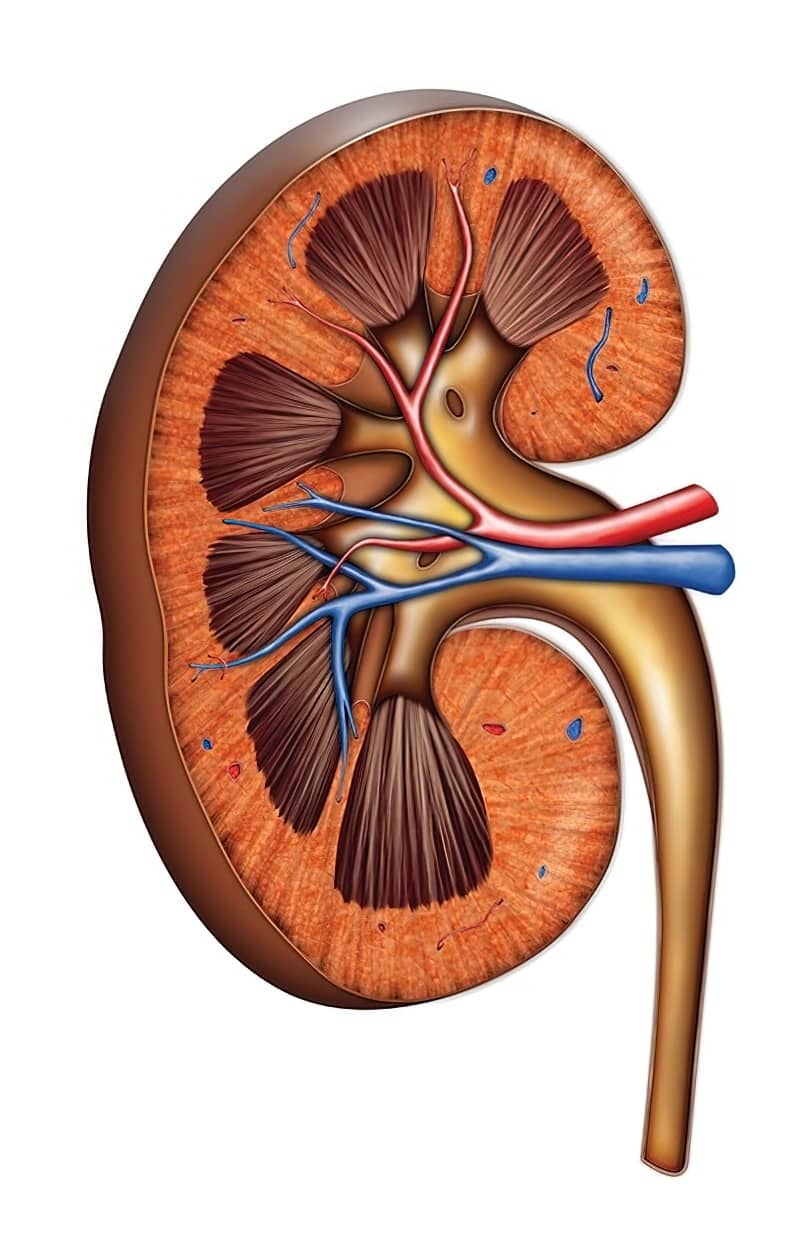
PROTECTING kidney health starts with managing blood pressure, blood sugar and lifestyle habits.
PHOTOGRAPH COURTESY OF LIFE OPTIONS
Most people think about heart attacks. They think about cancer. They think about strokes. They worry when they feel chest pain, discover a lump, or suddenly cannot move an arm. These diseases announce themselves. They interrupt life and demand attention. The kidneys are different. They work in the background, filtering blood, regulating fluid balance, controlling electrolytes, supporting bone health, helping produce red blood cells, and helping regulate blood pressure. Most people can go decades without giving them a second thought.
That is precisely what makes kidney disease dangerous.
One of the first lessons medical students learn is that chronic kidney disease is often silent. Patients can lose a remarkable amount of kidney function while looking and feeling perfectly healthy. There may be no pain, no warning sign, and no symptom that compels an urgent visit to the doctor. By the time swelling develops, appetite fades, energy declines, or breathing becomes difficult, years of damage may already have occurred. Patients often ask when the disease started. The honest answer is usually uncomfortable: probably much earlier than anyone realized.
Kidney disease has a way of teaching doctors something unexpected about time.
Many illnesses feel like events. A heart attack happens on a particular day. A fracture occurs at a particular moment. A stroke unfolds over a matter of hours. Kidney disease is often different. What appears to be a diagnosis today is usually the result of thousands of ordinary days that came before it. The blood pressure that was “slightly high.” The diabetes that was “not that bad.” The annual checkup that could wait another year. The weight that gradually increased. The medication that was stopped because the patient felt fine. By the time kidney function begins to decline, the kidneys are often telling a story that has been unfolding for years.
In that sense, the kidneys may be the most honest organs in the body.
They are remarkably patient and surprisingly difficult to fool. Long after forgotten meals, neglected prescriptions, years of hypertension, and uncontrolled blood sugars have faded from memory, the kidneys retain the evidence. They record the cumulative effects of habits, illnesses, circumstances, genetics, and sometimes simple bad luck. When kidney function declines, it is rarely describing what happened last week. More often, it is revealing what has been happening for years.
But there is another lesson that nephrologists learn.
Patients often assume kidney disease is a kidney problem. We know it is usually much more than that. The same diabetes damaging the kidneys may also be damaging the eyes, nerves, heart, and blood vessels. The same hypertension scarring the kidneys may also be increasing the risk of stroke, heart failure, and heart attack. When the kidneys begin to struggle, they are often acting less as the victim and more as the witness. They are among the first organs willing to testify that years of accumulated damage have already occurred.
What is true for kidneys is often true elsewhere.
One of the recurring frustrations in healthcare is that people respond far more readily to symptoms than to risk. A patient with severe shortness of breath rarely misses dialysis. A patient with early kidney disease often misses follow-up because he feels perfectly fine. The same pattern appears beyond medicine. We repair bridges after they fail. We worry about flooding after the storm arrives. We discuss health after disease develops. We are remarkably responsive to crises and remarkably indifferent to warnings. The challenge is that the most consequential problems in life rarely begin as crises. They begin as small signals that are easy to ignore.
Perhaps that is why prevention remains one of the hardest ideas in healthcare.
Prevention asks people to act before they feel sick. It asks governments to invest in problems that are not yet visible. It asks organizations to address risks before they become emergencies. Most importantly, it asks all of us to accept that something can be wrong even when everything appears normal. That is not how human beings are naturally wired. We are drawn to what is urgent, visible and immediate. The absence of symptoms feels reassuring. It encourages us to believe that tomorrow will look very much like today.
National Kidney Month is an opportunity to talk about blood pressure, diabetes, healthy diets, exercise and laboratory screening. Those conversations matter. Worldwide, millions of people are living with chronic kidney disease without knowing it. The challenge is not merely that kidney disease is silent. It is that silence is often mistaken for health. But perhaps the deeper lesson of kidney disease is not about kidneys at all. It is about attention. The forces that shape our future — our health, our relationships, institutions, even our communities — rarely change overnight. They are built, strengthened, neglected, or damaged gradually, often without attracting much notice.
We often think a diagnosis marks the beginning of a disease. Kidney disease teaches the opposite lesson. By the time symptoms appear, the story may already be years old. The laboratory result is not the beginning of the problem. It is the moment the problem finally becomes visible. The damaged kidney is often not the disease. It is the evidence. The diagnosis is not the beginning. It is the point at which the past finally catches up with the present.