
We are no one’s 'bata'

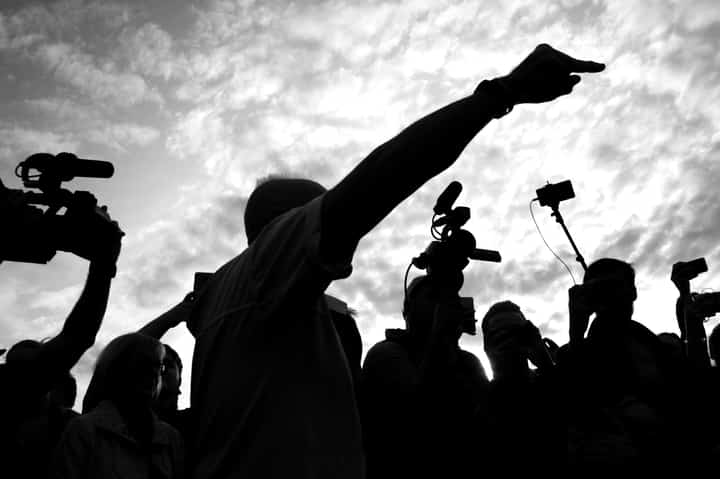
In a random conversation with a friend, I was confronted with a truth—or perhaps more accurately, a stigma—that follows many media personalities, journalists, broadcasters, and reporters. It is a stigma so common that it has almost become part of the profession. The moment you interview a politician, a public official, a business leader, or any influential figure, people are quick to conclude: “Bata niya ’yan.” Interview another person from the opposing side, and suddenly the label changes. “Hindi na ’yan bata ni A. Bata na ’yan ni B.” In the eyes of some, every interview, every photograph, every conversation is treated as proof of allegiance.
What many people fail to understand is that journalists are not supposed to be anyone’s bata. The very nature of our work requires us to speak to different people, hear different perspectives, and ask questions that the public deserves answered. If I interview one side today and another side tomorrow, it does not mean I have switched loyalties. It means I am doing my job. Journalism was never intended to be an exercise in choosing camps. It is an exercise in seeking information, verifying facts, and giving all sides an opportunity to explain themselves.
Unfortunately, we live in a time when polarization has become the norm. People have become so accustomed to taking sides that they assume everyone else must be doing the same. A reporter covers a government official and is immediately branded as that official’s bata. A broadcaster interviews an opposition figure and is accused of being aligned with the opposition. A journalist writes a story that presents facts favorable to one group, and suddenly suspicions arise about hidden loyalties. Somewhere along the way, many have forgotten that fairness is not favoritism, access is not allegiance, and an interview is not an endorsement.
What makes this stigma even more troubling is that it does not stop at public perception. Sometimes, it has real consequences. There have been instances when I have been barred from covering press conferences and official events simply because I interviewed certain personalities. The assumption was immediate: if I spoke with them, then I must belong to them. No questions asked. No consideration given to the fact that interviewing people is precisely what journalists are supposed to do. It is a strange reality when a reporter can be excluded not because of inaccurate reporting or unethical conduct, but because others have mistaken access for loyalty and journalism for partisanship.
This misunderstanding highlights why the media remains relevant and necessary today. Our role has never been to serve politicians, oligarchs, corporations, or the wealthy. Our responsibility is to serve the public. We act as a bridge between information and the people who need it. We translate complicated policies into language ordinary citizens can understand. We provide context to issues that are often reduced to sound bites, social media posts, and viral headlines. We help communities understand not only what is happening, but why it matters.
In an age where anyone can publish content online and misinformation can travel faster than facts, the work of professional journalists has become even more important. While rumors spread freely, journalists are expected to verify. While others speculate, journalists investigate. While narratives compete for attention, journalists seek evidence. The value of journalism is not simply in delivering information but in ensuring that information is accurate, balanced, and supported by facts.
The media also plays a crucial role in accountability. Public officials, institutions, and powerful individuals should be open to scrutiny because their decisions affect people’s lives. Journalists ask questions not because we are against someone, but because the public deserves answers. We seek clarification not because we favor one side over another, but because transparency strengthens democracy and public trust. Without an independent press, many important questions would remain unanswered and many important stories would never be told.
Beyond accountability, journalism gives a voice to people who might otherwise go unheard. It shines a light on community concerns, highlights social issues, and tells stories that deserve attention. It connects citizens to decision-makers and decision-makers to the realities faced by ordinary people. In many ways, media serves as a public forum where information, ideas, and concerns can be shared and understood.
That is why it is frustrating when journalists are reduced to labels. The assumption that every reporter is someone’s bata ignores the principles that guide the profession. A journalist who interviews a public official is not automatically that official’s bata. A journalist who interviews a critic is not automatically aligned with the critic. The microphone is not a symbol of loyalty; it is a tool for gathering information. The interview is not a declaration of support; it is an opportunity to seek answers.
At its best, journalism is independent. It listens to all sides, asks difficult questions, and pursues facts wherever they lead. The moment journalists become someone’s bata, they cease to fulfill their duty to the public. Our credibility depends on our ability to remain independent, objective, and committed to the truth.
So the next time you see a journalist interviewing a politician, a government official, a business leader, or any influential personality, resist the urge to ask whose bata they are. The better question is whether they are asking the right questions, seeking the truth, and serving the public interest. Because at the end of the day, journalists do not work for politicians, powerful personalities, or wealthy benefactors. We work for the people. We are no one’s bata—and we should never be treated as if we are.