
All have vital role in protecting, restoring nature
Work together to halt and reverse biodiversity loss, so people and nature flourish together.

Biodiversity is the living web that sustains humanity.
Yet, climate chaos, pollution, and the relentless exploitation of land, ocean and freshwater, are pushing the natural world towards breakdown — with devastating consequences for people, livelihoods and sustainable development.
The Kunming-Montreal Global Biodiversity Framework shows the way forward. But we must pick up the pace — with ambition and accountability.
Governments must lead by accelerating implementation, mobilizing finance, and closing capacity gaps that hold back progress. But as this year’s theme reminds us, success depends on action far beyond national capitals. Indigenous peoples and local communities, women and young people, academia, businesses, cities and regions all have a vital role in protecting and restoring nature.
The United Nations is supporting Member States through inclusive, science‑based action — updating national biodiversity strategies, expanding protected areas, restoring ecosystems, and integrating nature into sustainable development planning and climate action.
On this International Day for Biological Diversity, let us champion those acting locally for global impact — and work together to halt and reverse biodiversity loss, so people and nature flourish together.
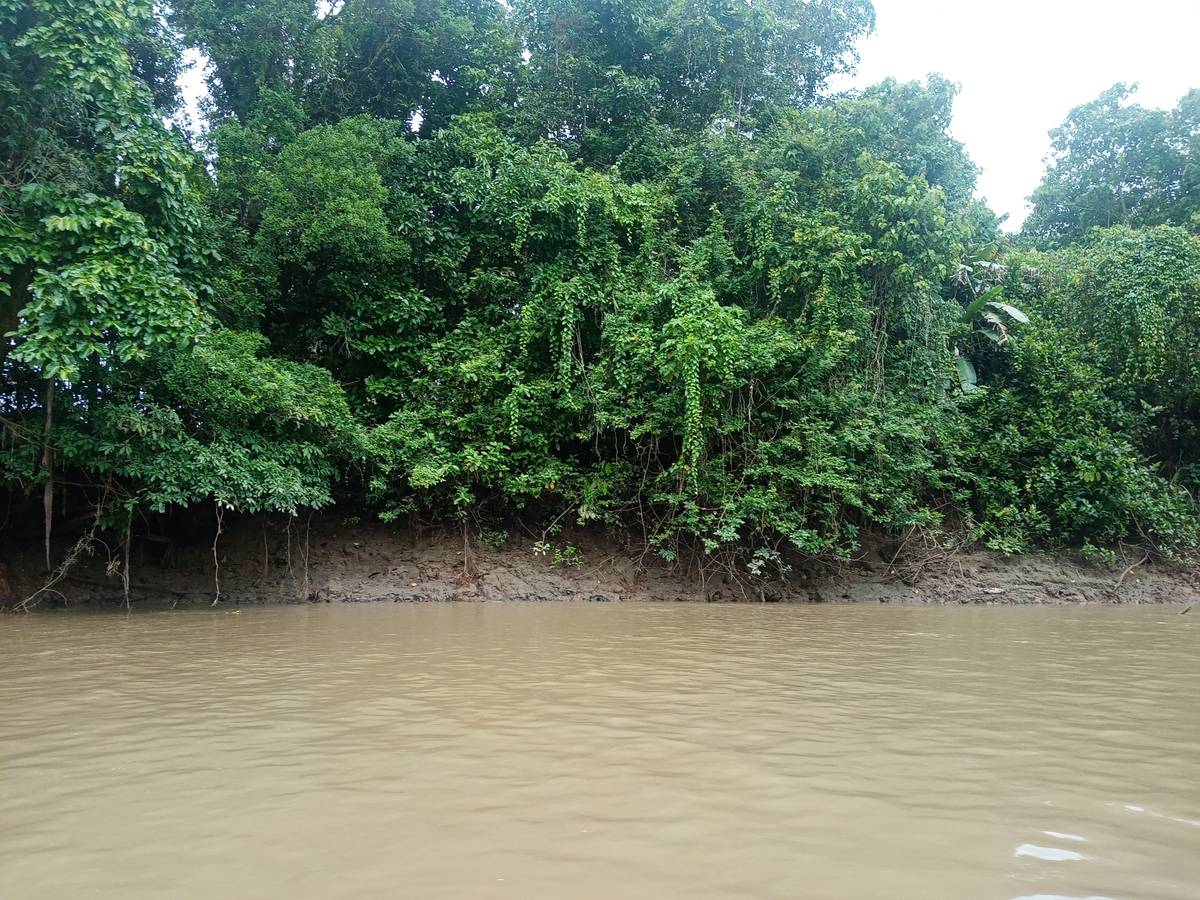
PART of the Agusan Marsh and Wildlife Sanctuary and Agusan River in Barangay San Marcos, Bunawan, Agusan del Sur.
Photograph by WJG for DAILY TRIBUNE
θ θ θ
I commend the leadership of Pacific Island countries and other Small Island Developing States — together with the young people whose moral clarity helped bring the world to this moment.
Those least responsible for climate change are paying the highest price. That injustice must end.
The science is clear: fossil fuels are the principal driver of the climate crisis. The path to climate justice runs through a rapid, just, and equitable transition away from fossil fuels towards renewable energy.
Renewables proved to be the cheapest and the most secure form of energy supply.
The task ahead is clear — keep 1.5°C within reach and build a safer, fairer, and more resilient future for all.
θ θ θ
Nearly three billion people live in inadequate housing, often in informal settlements and slums.
No society is immune, from fast-growing cities in the developing world, to advanced economies with high rents and rising homelessness.
In my student days, volunteering in some of Lisbon’s poorest neighborhoods, I saw how profoundly housing affects people’s health, education and future.
As Secretary-General, I am proud that the Pact