




Inter-agencies probe links tied to controversial Misamis steel plant

Text size
Authorities are now investigating possible links between private individuals and government officials tied to the operations of Sanjia Steel Corporation, a controversial steel facility in Tagoloan, Misamis Oriental, following a recent government raid.
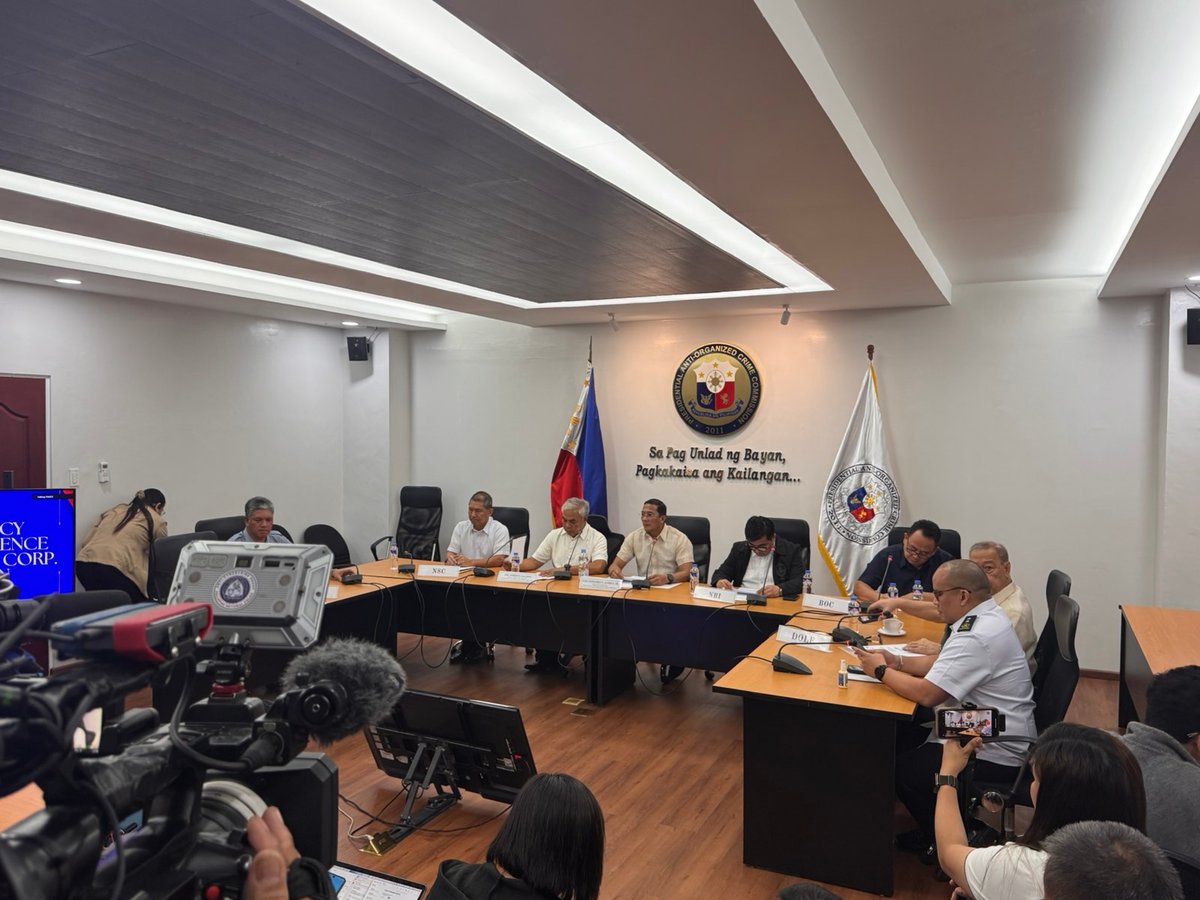
During a press briefing at the Presidential Anti-Organized Crime Commission (PAOCC) headquarters in Camp Crame on Tuesday, officials from the PAOCC and the National Bureau of Investigation (NBI) said the probe has widened to include personalities allegedly connected to the company’s operations.
The steel plant is reportedly owned by Tony Yang, brother of former presidential economic adviser Michael Yang. Tony Yang had previously been linked to Philippine offshore gaming operator (POGO) activities.
NBI Director Melvin Matibag and Undersecretary Benjamin Acorda Jr. disclosed that executives of Sanjia Steel Corporation allegedly had connections with individuals in both the government and private sector.
“There were 71 individuals arrested there in Phividec, there in the area, plus the 5 incorporators, two Filipinos, three Chinese, those are the ones charged. So if you are asking if there are additional, that’s what Usec Benjie is saying, which is ongoing investigation,” Matibag said.
“Those who will be found responsible for this will also be met with cases that we have filed, including government officials, or former government officials who participated in the operation, or made possible the Philippine-Sanjia to operate in such manner,” he added.
Authorities alleged that the facility used scrap materials from mainland China contaminated with hazardous radioactive elements, including Uranium-238, Thorium-228, and Thorium-232.
“It is about exposing the disturbing realities uncovered inside Philippine Sanjia-Steel Corporation — realities that point to serious and deeply concerning violations involving possession of hazardous materials, labor standards, immigration laws, and consumer protection regulations,” Acorda said.
At least 316 workers were displaced after authorities raided the facility and suspended its operations.
The Philippine Nuclear Research Institute (PNRI) also reported elevated radiation readings in parts of the plant, including warehouses and production areas.
Matibag further warned about the alleged poor quality of steel bars produced by the company, saying these may have already been used in infrastructure projects nationwide.
“Subsequent laboratory examinations and confirmatory testing conducted by the DTI-Bureau of Philippine Standards allegedly revealed multiple failures in mass variation, elongation, and surface deformation requirements, raising serious concerns regarding structural integrity and public safety,” Matibag said.
“These findings indicated the possible circulation of substandard construction materials that could compromise buildings, bridges, schools, hospitals, and other critical infrastructure,” he added.
Housing is probably the biggest issue affecting people the world over.
Malacañang on Monday called for a more thorough investigation into the questioned flood control projects in Taguig…
The defense on Monday backed the move by senator-judges to exclude a prosecution witness who testified on the firearms…
