
Trader buying surge slows NFA procurement

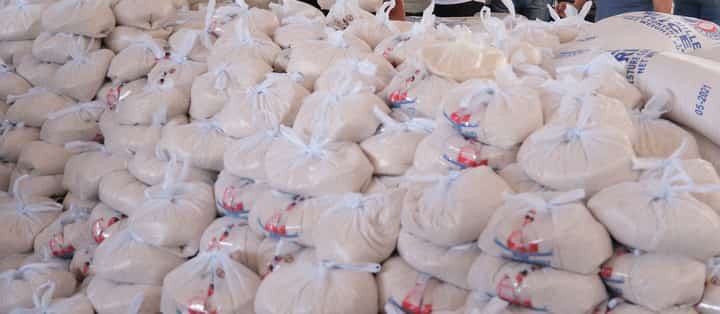
Surging palay prices driven by aggressive private traders following the four-month rice import ban kept the National Food Authority (NFA) largely out of the market in the first quarter.
Latest data showed that from January to the first week of May, the NFA bought just 13,127 metric tons (MT), or 262,540 bags of palay—only 4.2 percent of its 313,315-MT procurement target for the period.
NFA Administrator Larry Lacson said Monday the private traders dominated early buying as farmgate prices climbed sharply from the P8-per-kilo lows recorded before the import ban in September. Expectations of a strong El Niño also fueled buying pressure.
Lacson said the NFA used the period to conserve procurement funds for later in the year, when harvests weaken, and stockpiling becomes more critical.
Since April, however, the agency has ramped up buying as traders’ prices started easing.
“Since April, as traders’ buying prices started to decline, and on the instruction of President Marcos and Agriculture Secretary Francisco P. Tiu Laurel Jr., the NFA has aggressively stepped up palay buying,” Lacson said.
From April to the first week of May, the NFA bought 11,301 MT of palay, making up most of its purchases this year as it boosted buffer stocks ahead of the lean season.
Lacson said about 15 percent of dry-season harvests are still ongoing, and the NFA is maximizing procurement while prioritizing farmers registered under the Registry System for Basic Sectors in Agriculture (RSBSA).
He also encouraged RSBSA-listed farmers to sell to the NFA to help keep rice prices affordable.
Meanwhile, Agriculture Secretary Francisco P. Tiu Laurel Jr., who chairs the NFA Council, defended the agency’s buying strategy, saying it allowed farmers to benefit first from high market prices before the government resumed buying once prices stabilized.
“The NFA has been adjusting to a very dynamic market—stepping back when private traders offered higher prices to ensure farmers benefited, then stepping up its buying as prices normalized,” said the DA chief.
“Moving forward, it must continue to strategically build buffer stocks, prioritize direct support to small farmers, and stay ready to stabilize supply and prices, especially as we approach the lean months and the next main harvest cycle.”
As of 7 May, NFA rice inventory stood at 6.75 million bags, or 337,618 MT, equivalent to just 8.74 days of national rice consumption based on daily demand of 38,608 MT.