
DA moves to steady palay prices nationwide
The DA, however, stressed that the decline is not happening throughout the country, stating that in some provinces, such as Palawan, palay prices remain stronger at P23 to P24 per kilo, indicating localized pressure rather than a broad market downturn.

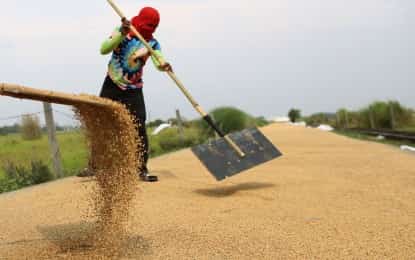
The Department of Agriculture (DA) is stepping up interventions in the rice market as palay prices plummet in several major producing areas despite the ongoing main harvest season nearing completion.
Agriculture Secretary Francisco P. Tiu Laurel Jr. said the government is closely monitoring price movements after farmgate rates slipped to as low as P16 to P17 per kilo in parts of Nueva Ecija, Pampanga, Isabela, and Cagayan, where about 77 percent of the national harvest has already been completed.
The DA, however, stressed that the decline is not happening throughout the country, stating that in some provinces, such as Palawan, palay prices remain stronger at P23 to P24 per kilo, indicating localized pressure rather than a broad market downturn.
To cushion farmers from falling prices, the National Food Authority (NFA) in April raised its buying price for dry palay to as high as P30 per kilo and will expand procurement operations in areas experiencing sharp declines.
The agency is also introducing a direct purchase order system, allowing farmers to sell palay to the NFA ahead of harvest.
“We want to strike a balance among all stakeholders in the rice value chain, including consumers, especially amid climatic and geopolitical challenges,” Tiu Laurel told attendees of a consultative meeting with rice industry stakeholders last week.
Further, the DA chief added that logistics remain a key constraint, with a shortage of hauling trucks slowing deliveries and limiting farmers’ access to government buying stations.
The NFA is addressing this gap through the planned acquisition of 150 additional trucks within the year.
On supply management, Tiu Laurel said rice imports will continue but will be more tightly regulated to avoid further downward pressure on local farmgate prices.
Earlier import adjustments, he noted, helped ensure that about 70 percent of the harvest was sold at favorable levels for farmers.
Moreover, he said the DA is also considering capping monthly rice import volumes from June to August to stabilize prices while maintaining sufficient supply in the market. It is targeting a farmgate price of around P22 per kilo during the September to November harvest period.
Rising production costs, driven by higher fertilizer prices linked to global tensions and the threat of another El Niño episode, are also weighing on farmers and may affect planting decisions in the next cycle.
To strengthen supply security, the agency is pushing for expanded storage and warehouse capacity, including strategic stockpiling to cover requirements up to 2027.
Current national rice stocks are estimated at around 70 days of consumption.
The Bureau of Plant Industry will also tighten accreditation standards for traders and importers as part of broader efforts to stabilize the sector. At the same time, the government is studying rice blending policies, where local and imported rice may be mixed to help manage retail prices while still prioritizing domestic production.