
CELEBRATING THE ARTISTRY OF FILIPINO WEAVES
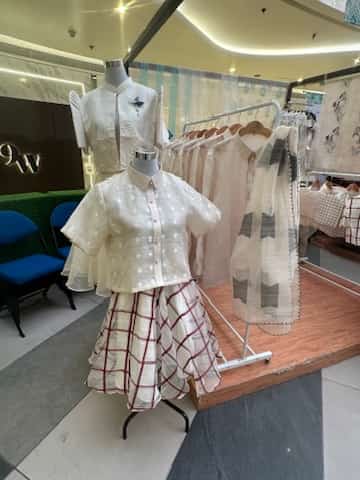
In the past few years, the growing passion for Filipino weaves has become a springboard to reimagine them as part of the modern aesthetic. Hand-woven fabrics, with local names such as hablon, ikat and inabel, have become bedfellows with jeans for a casual weekend, or with a ball skirt for a red carpet gala. More importantly, each piece proudly carries the story of the hands that created them. At the Hibla Weaver’s Fair, ongoing at the Quantum Skyview, UGB Level of Gateway Mall 2 until today, 17 May, this aspect of Philippine culture is wholly and fully celebrated.
The Hibla Weaver’s Fair is one of the pillar projects of Araneta City and its corporate social responsibility arm, the J. Amado Araneta Foundation (JAAF), as part of HIBLA: Tradition Woven Forward. The cultural initiative expands the annual trade fair into a broader, future forward program aimed at supporting Filipino weavers, and preserving indigenous textile traditions. “Hibla, meaning ‘fiber’ or ‘strand,’ perfectly encapsulates the essence of what we aim to achieve,” said Diane Romero, executive director of JAAF.
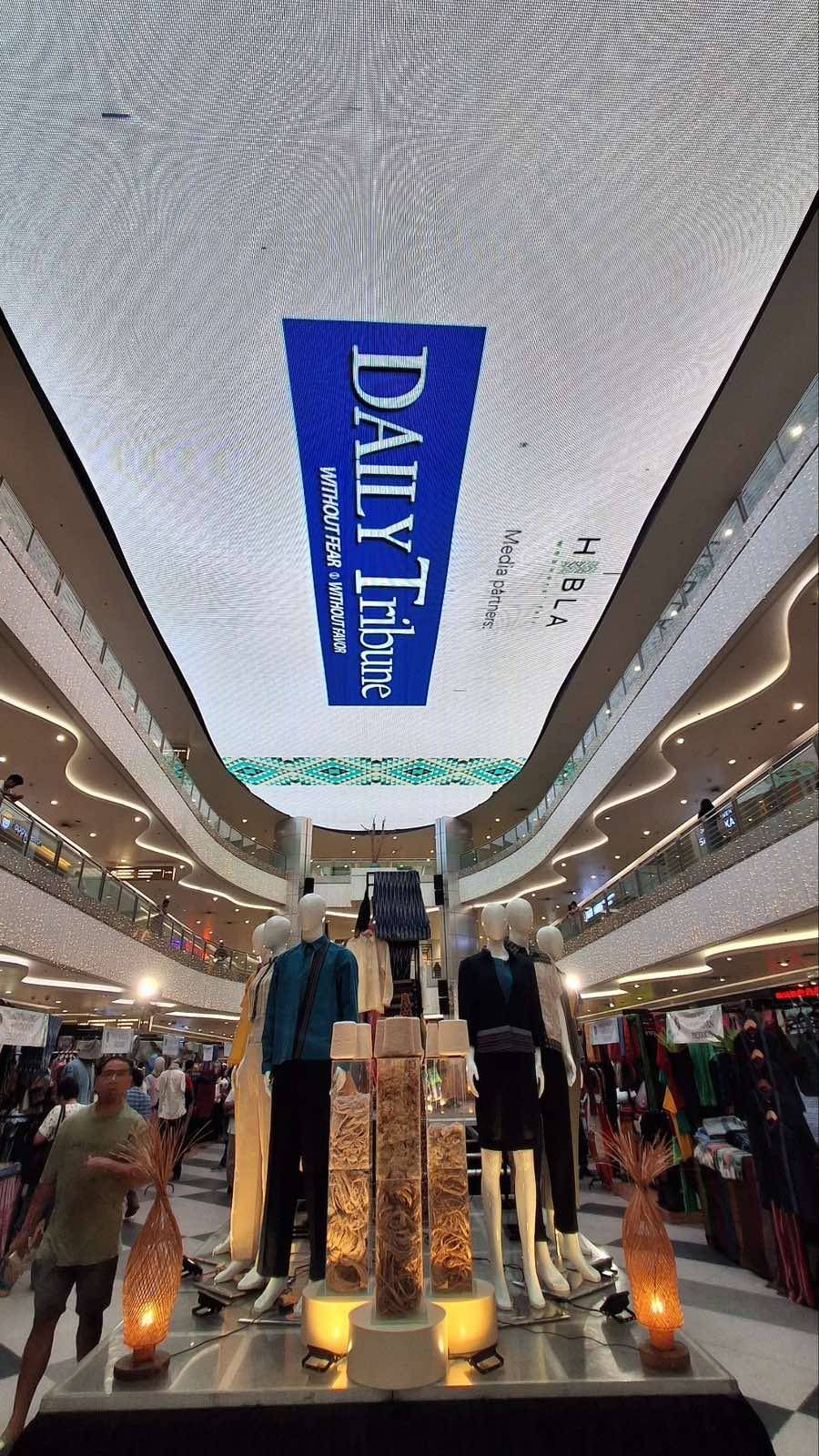
FILIPINO weaving takes center stage at HIBLA: Tradition Woven Forward, celebrating the artistry, heritage and innovation behind local textiles.
“Each thread tells a story — of our history, our communities, and our future.” Partnering with the DoST’s Philippine Textile Research Institute, JAAF’s goal is to open up opportunities for capacity-building workshops, creative collaborations, and recognition platforms — all designed to help artisans sustainably grow their practice in a modern, and increasingly global, economy. This strategic shift not only strengthens the infrastructure of and for the artisans within the community, but it also preparing the industry for an evolving marketplace.
“HIBLA honors a legacy rooted in our founder, J. Amado Araneta, through the spirit of ‘Tradition Woven Forward,’” Romero said. “We are not only preserving heritage, but actively propelling it into modern relevance by opening market access, bringing indigenous textiles to the mainstream, and inspiring new applications that ensure their lasting impact.”
Each of the 18 booths is a testament to the creativity of the Filipino, and it was a stunning display. “Every single weave is like a piece of art, of which there is only one of,” says Dr. Julius Leaño Jr., Director IV of DoST-PTRI. “Everything is handmade , so you are bringing home a piece that is only yours.” Proceeds from the Hibla Weavers’ Fair are for the benefit the Gateway Gallery, the art museum of Araneta City, in support of its 2027 public programs and reinforcing the City’s commitment to accessible cultural spaces.
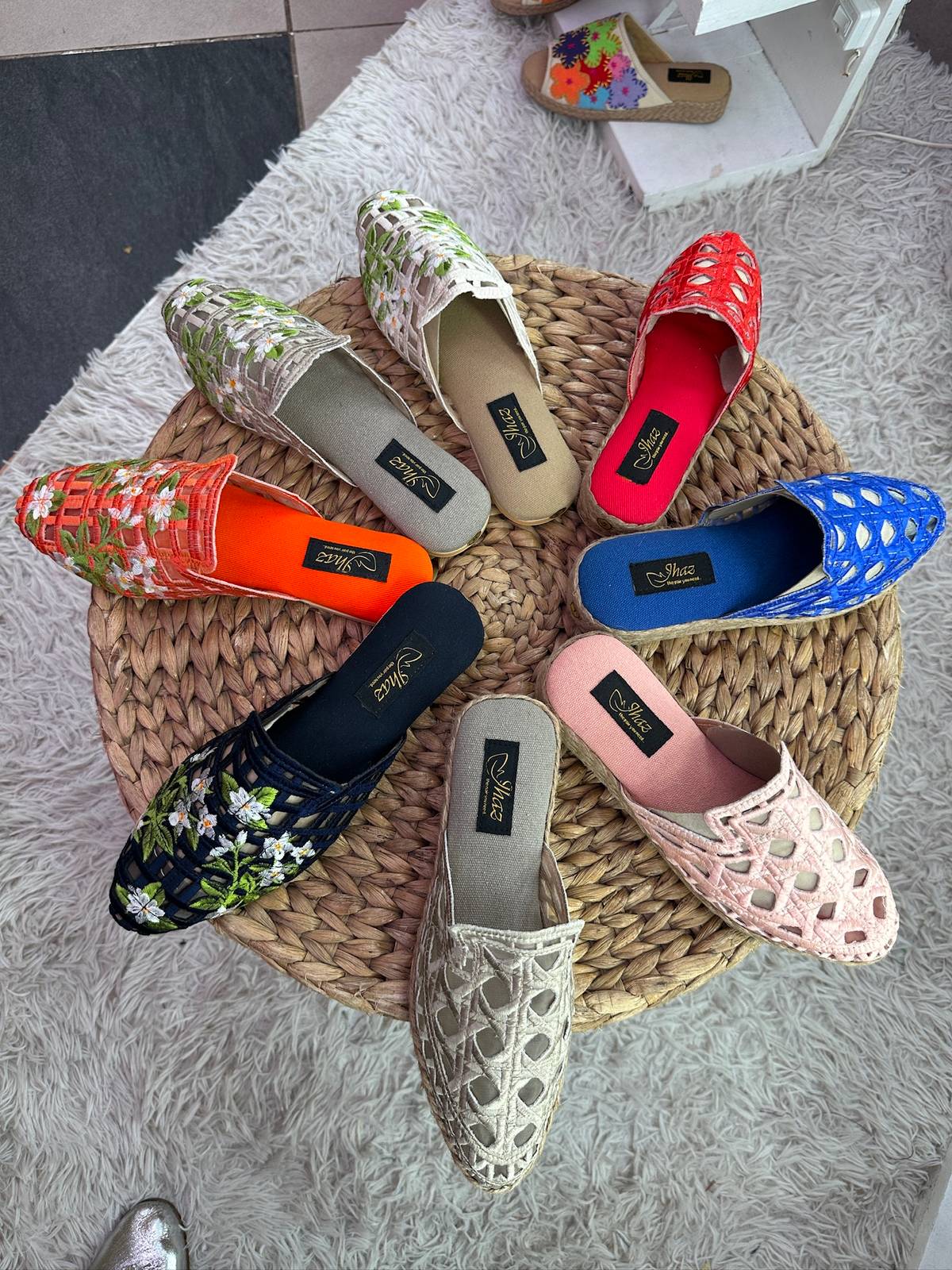
COMFORTABLE slip ons and mules in a solihiya-inspired design by Jhaz Footwear from Liliw, Laguna.
The fair also featured HIBLA limited edition merchandise, including an exclusive release from bag designer Zarah Juan.
Perhaps one of the most interesting displays at this weaver’s fair was the demonstration of DoST-PTRI’s DigiTELAzation program, which hopes to create design copyrights and patents for the weaving communities in the country. Fabrics and patterns are scanned into a digital database, ascribing the designs to the weavers who make them. The end goal is create a platform to ensure the authenticity of the weaves that are available in the market, and ensure fair compensation for the communities that produce them. While the program is still in the early stages in its rollout, it could potentially be a gamechanger in keeping the industry sustainable, and more importantly, viable.
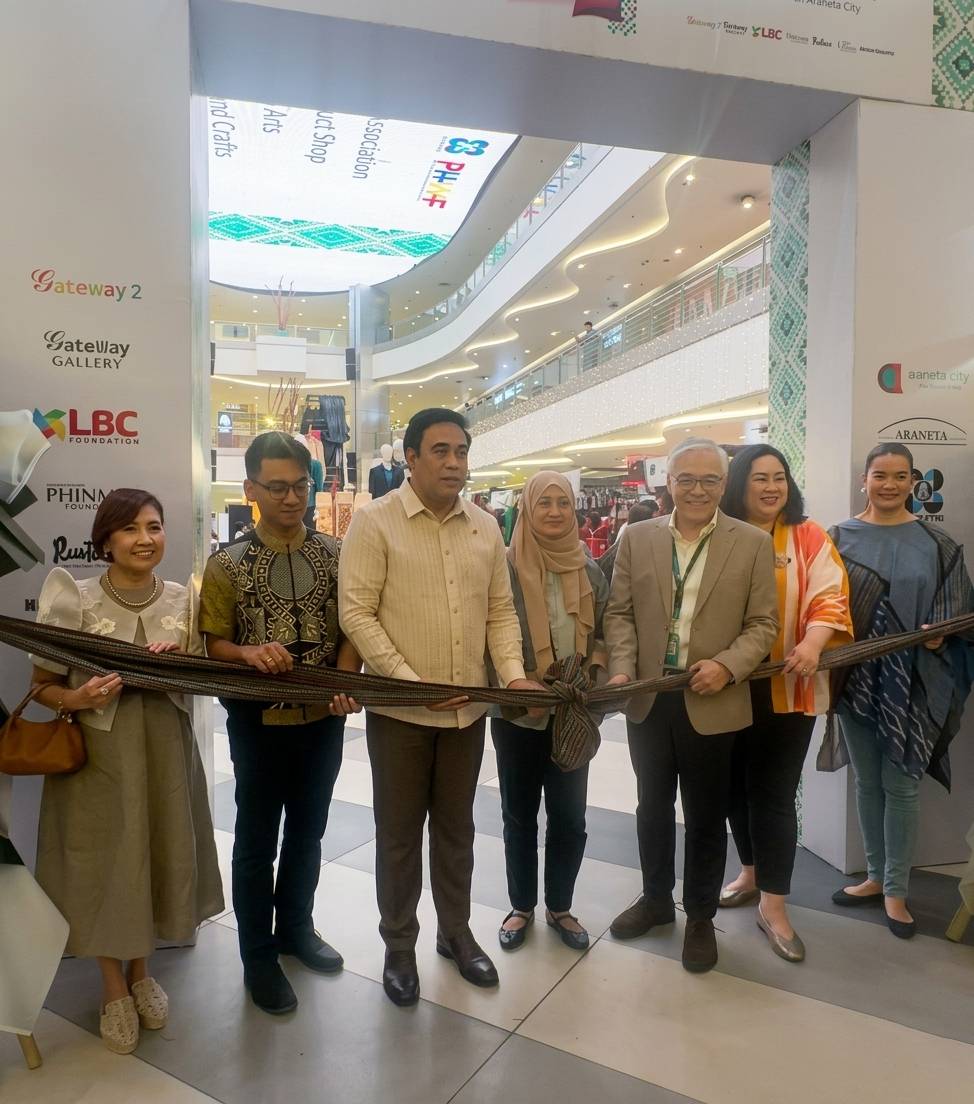
LORNA Fabian, vice president for Leasing of Araneta City, Ron Ranier Reyes, executive director of PHINMA Foundation, Dr. Julius Leaño Jr., Director IV of DOST-PTRI, Angelita Pichay Ilul, of Angie's Yakan Handloom Weaving, Rowell Recinto, senior management consultant of Araneta City, Diane Romero, executive director of J. Amado Araneta Foundation, and Myra Paz Valderrosa Abubakar, Undersecretary of Department of Tourism.
The winners of the HIBLA Awards, which recognizes excellence in craftsmanship, storytelling, and visual presentation, were also presented during the opening ceremonies of the Hibla Weaver’s Fair.
Mama Sofia’s Handwoven Products, from Oriental Mindoro, won for Most Compelling Brand Story, AISHE Footwear, from Liliw, Laguna, was recognized for Best in Product Innovation and Cavite’s Likhang Maragondon was awarded Best Visual Display.
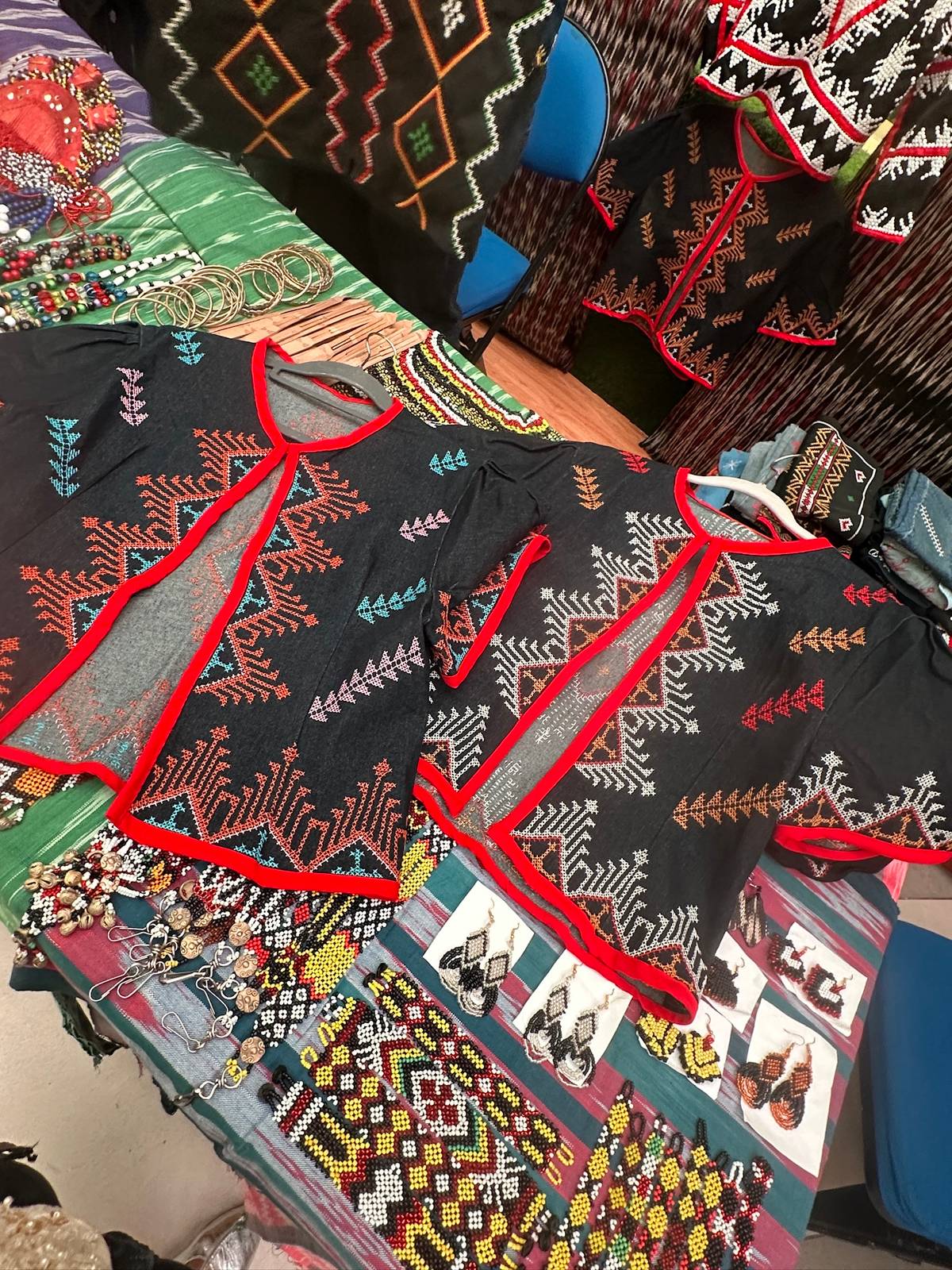
SOFT denim gets reimagined in these beautiful Tinalak embroidered short sleeve jackets by the Kenhulung Handicraft Federation.
Through platforms and campaigns of Hibla:Tradition Woven Forward, and events like the Hibla Weavers’ Fair, the narrative behind traditional weaves as an integral part of Philippine history and culture is allowed to grow and flourish. “Through HIBLA, we invite Filipinos to engage with Philippine textiles beyond simply shopping,” says Romero. “It is an invitation to be part of a living legacy — one that continues to evolve while remaining rooted in tradition.”