
How a Cebu funeral legacy shaped 'First Light'

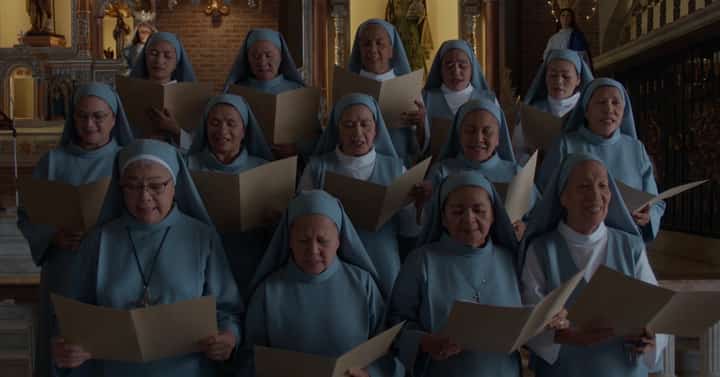
For producer Christelle Lou Dychangco, the themes explored in the upcoming Filipino-Australian film First Light are far more than cinematic ideas — they reflect realities she has lived with since childhood.
Raised in Cebu within a family known for operating Cosmopolitan Funeral Homes, Dychangco grew up surrounded by stories of grief, remembrance, and healing. That personal connection to mortality and faith would later become one of the emotional foundations behind the film’s journey to the big screen.
As First Light heads to Philippine cinemas on June 24, Dychangco shared how the movie’s message resonated deeply with her own experiences.
“Our relationship with whatever is bigger out there than us is really not between institutions but a personal one at that,” she said.
“Ultimately, I think the moral of the whole story also comes around to death and our fear of dying and I think that’s a very human and very relatable lesson and feeling that we all have.”
Directed by James J. Robinson, the film explores spirituality, faith, and the emotional spaces between life and loss through an intimate Filipino perspective. More than a cross-cultural collaboration between Australia and the Philippines, the project examines the universal search for meaning during moments of uncertainty and grief.
For Dychangco, growing up inside the funeral industry gave her a rare understanding of how families process loss. Years spent witnessing memorial services and mourning rituals shaped her view of human vulnerability and the quiet ways people hold onto faith during painful moments.
The timing of the film’s Philippine release also carries symbolic weight. This year marks the 78th anniversary of Cosmopolitan Funeral Homes, a milestone that mirrors many of the conversations at the center of First Light — remembrance, acceptance, spirituality, and learning how to let go.
The film features an acclaimed cast led by Ruby Ruiz, alongside Maricel Soriano, Rez Cortez, Soliman Cruz, and Kidlat Tahimik.
Through its emotional narrative, First Light invites audiences to reflect on mortality, belief, and the deeply personal ways people navigate loss — themes that, for Dychangco, have always felt close to home.