
Japan faces scrutiny over repeated yen interventions
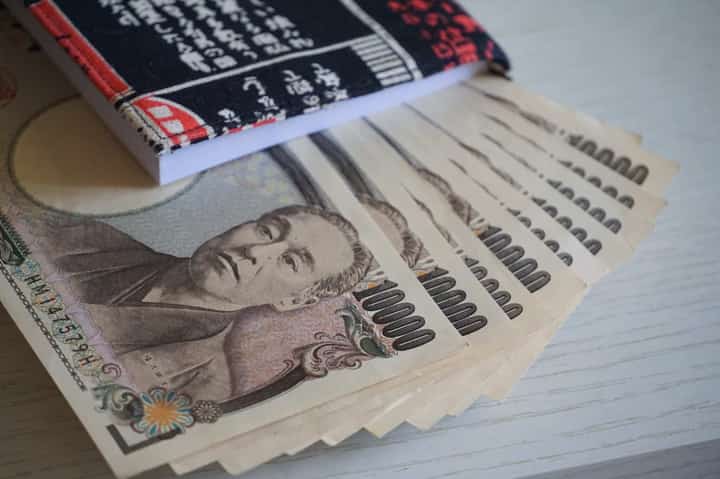
Japan’s yen is whipsawing after suspected multi-billion-dollar government interventions, raising questions over Tokyo’s commitment to a freely floating exchange rate and potential IMF scrutiny if currency support operations continue.
Sharp fluctuations in the Japanese yen have been observed since 30 April, when the currency weakened past JPY160 against the US dollar before surging by 3 percent on the same day. Analysts cited an alleged direct intervention by the Japanese government as the cause of the sharp appreciation, speculating that Japan’s Ministry of Finance spent around $34 billion to support the market.
The appreciation, however, was short-lived as the yen continued to weaken, reportedly reaching JPY157.87 per dollar last Tuesday. It then sharply rose again by 2 percent to JPY155.02 per dollar on Wednesday, 6 May, suggesting another possible intervention by the Japanese government.
The government’s actions are considered relatively small compared to Japan’s foreign exchange reserves, which stood at $1.16 trillion at the end of March.
However, direct market interventions could place Japan’s status as a freely floating exchange-rate economy under scrutiny, particularly if two more interventions are observed before November. This is based on International Monetary Fund (IMF) guidelines limiting interventions to three instances before a country risks losing its free-floating designation.
This appears to contradict statements made by Japan’s top currency official, Atsushi Mimura, who maintained that the country’s interventions do not affect its status as a free-floating market.