PSEi, peso jump on US–Iran optimism
Text size


The local bourse and the peso posted substantial gains as progress in diplomatic relations between the United States and Iran gave investors much-needed optimism amid an otherwise gloomy economic outlook.
The Philippine Stock Exchange index (PSEi) rebounded strongly on Wednesday, climbing 1.17% to 5,967.21, as investor sentiment improved following signs of easing geopolitical tensions in the Middle East.
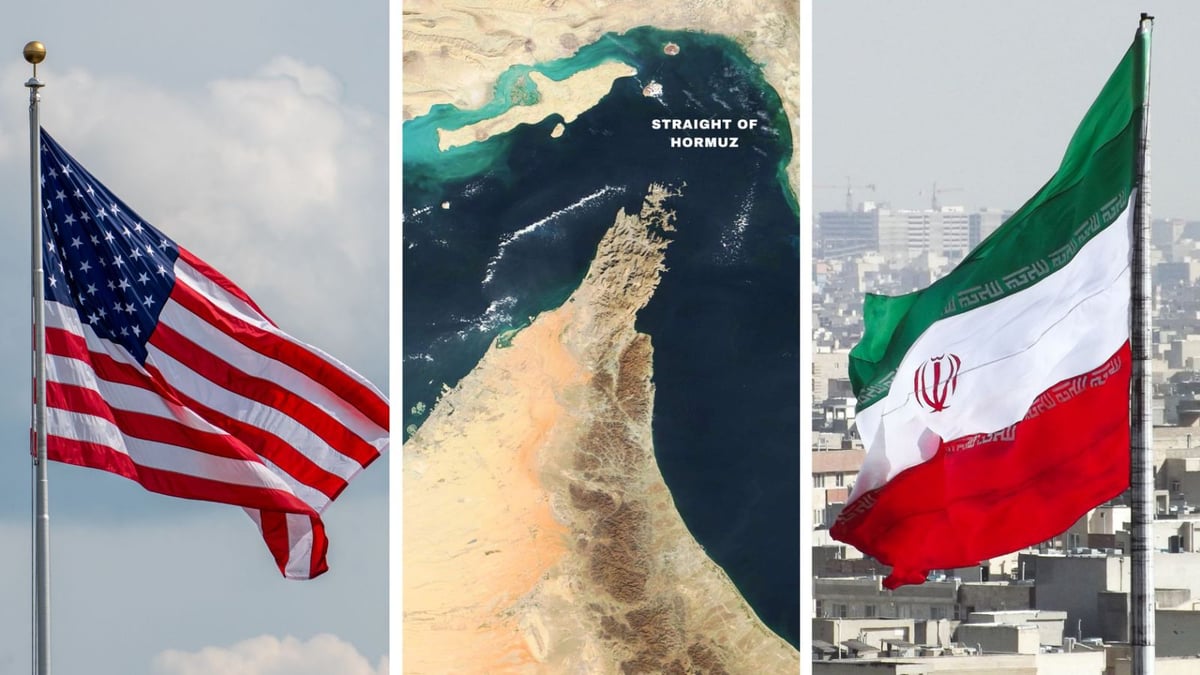
The market reacted positively after reports that the United States paused military escort operations in the Strait of Hormuz amid progress in diplomatic negotiations with Iran. These developments helped ease fears of prolonged disruptions in global oil supply, encouraging bargain hunting across local equities.
Trading activity remained healthy, with net value turnover reaching P6.42 billion, while foreign investors posted net inflows of P129.86 million, marking the third consecutive session of foreign buying.
Most sectors ended higher, led by Mining & Oil (+5.44%), as commodity-linked stocks recovered from recent heavy selling. Financials were the lone decliner, slipping 0.84%. Among index components, ACEN Corp. emerged as the top gainer, surging 7.00% to P3.21, while DigiPlus Interactive Corp. fell the most, declining 6.35% to P13.86 amid profit-taking after recent gains.
Meanwhile, the peso strengthened to P61.30 per US dollar, improving from the previous close of around P61.55, as the US dollar weakened broadly in global foreign exchange markets. The peso’s recovery tracked easing safe-haven demand for the dollar, as renewed optimism over a possible US–Iran agreement reduced fears of a wider regional conflict.
Reports that Washington suspended parts of its military operations near the Strait of Hormuz, along with statements suggesting progress in negotiations, also triggered declines in oil prices and US Treasury yields—both supportive for emerging market currencies like the peso.
Foreign exchange markets shifted into “risk-on” mode as investors unwound defensive dollar positions accumulated during the height of the Hormuz crisis. The Japanese yen, euro, and several Asian currencies strengthened alongside the peso as the US dollar index softened, amid expectations that easing geopolitical tensions could reduce inflationary pressures and give the Federal Reserve more room to consider policy easing later in the year.
Despite the peso’s rebound, underlying pressures remain. Analysts continue to warn that the Philippines remains vulnerable to elevated oil prices and external shocks due to its heavy reliance on imported fuel. Sustained volatility in the Middle East, along with uncertainty surrounding global and domestic inflation—which spiked to a three-year high in April due to supply disruptions—as well as US interest rate policy, could keep the peso under pressure in the coming weeks if negotiations between the US and Iran falter.