
Whang-od tattoo controversy sparks debate
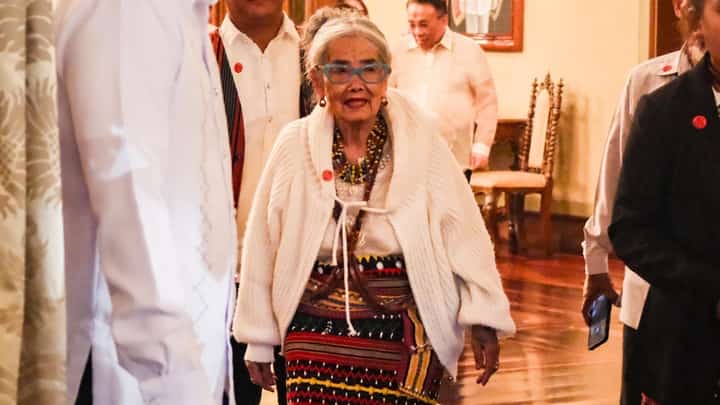
BAGUIO CITY — A Kalinga traditional tattoo artist has condemned a viral social media post showing a European woman tattooing famed centenarian Apo Whang-od, calling the act “exploitative” and a violation of indigenous tradition.
The controversy erupted after a video circulated online showing the foreign artist using a tattoo machine on Whang-od, who is revered as the last “mambabatok” or traditional hand-tap artist of her generation.
Ammin Acha-ur, a prominent Baguio-based practitioner from the Butbut tribe, expressed outrage over the exchange.
She argued that while some view the moment as a meeting of different artistic worlds, it lacks cultural relevance and ignores the sanctity of the elder’s body.
“This is so inappropriate, another exploitative situation,” Acha-ur said. “Let her live in peace sharing and doing the culture of traditional tattoo. She already has many traditional tattoos; why ink her? This should not be allowed if there is no cultural relevance. She is an icon.”
Acha-ur, who has dedicated her career to the preservation of “Batok” or hand-tapped tattooing, stressed that the act crosses the line from cultural appreciation into insensitivity.
She cited that Whang-od is a vessel of ancestral history, not a “tourist attraction” or a canvas for modern machine styles that do not belong to the Kalinga people.
“Our elders are the keepers of our soul,” Acha-ur said. “To see a foreigner use her skin as a canvas for a style that is not ours feels like a displacement of our identity.”
Beyond the cultural implications, Acha-ur raised ethical questions regarding the tattooing of a woman believed to be 107 years old and cited that an elder’s skin requires specialized traditional care that a modern artist might overlook while pursuing a “viral moment.”
The incident has reignited fears among local practitioners that the rapid commercialization of Buscalan is leading to a “human zoo” atmosphere.