
When waste becomes power: Nestlé Philippines taps new energy model
The company continues to diversify its energy sources while reducing dependence on fossil fuels.

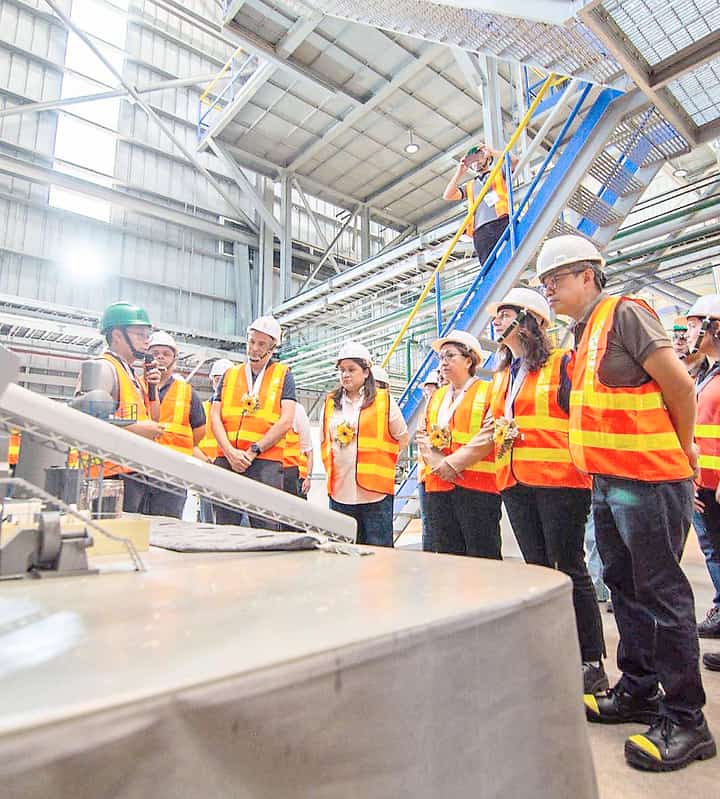
As industries continue adapting to the urgent demands of sustainability, Nestlé Philippines is advancing its operations toward a lower-carbon future through concrete changes in its manufacturing systems. Six years after announcing its net zero commitment, the company is rolling out large-scale initiatives, including the launch of a biomass boiler facility in Cabuyao, Laguna on 27 April 2026.
The facility represents a key step in reducing emissions from spray drying, one of the most energy-intensive processes in milk production. It runs on agricultural waste and forms part of Nestlé Philippines’ broader direction toward climate-resilient manufacturing, circular packaging, and sustainable sourcing. The project is supported through a partnership with BECIS, which provides expertise in developing and operating renewable energy systems for industrial use.
This is the second biomass facility installed in a Nestlé plant in the country. The first is in Cagayan de Oro, where coffee production waste serves as fuel. In Cabuyao, where dairy production is the main output, the company works with farmers in Laguna to source wood chips and other agricultural by-products. These materials are processed for energy use instead of being discarded, helping create an additional revenue stream for farming communities while reducing waste.
Nestlé Philippines chairman and CEO Mauricio Alarcón said sustainability is now integrated into the company’s long-term direction.
“Treating sustainability as a core business imperative enables us to sharpen our competitive edge while advancing our net zero targets. This milestone further demonstrates our shift from ambition to operational reality, reflecting a sustainable industrial strategy that is scalable, self-reinforcing, and essential to long-term value creation,” he said.
He also pointed to the company’s wider environmental programs.
“Across the country. Waste collection of equivalent the amount of our packaging. Packaging innovation, and virgin plastic reduction. Teaching, teaching proper solid waste management to about 12,000,000 students nationwide. And a lot more. This biomass boiler is our latest milestone as we accelerate our sustainability journey. We will continue to invest not just in technology, but in partnerships, with government, local communities, and energy providers.”
From the energy sector side, collaboration plays a central role in making such systems work. Eren Ergin, chief executive officer of BECIS, leads the company’s work in delivering decentralized renewable energy solutions for industrial clients. He noted that energy transition efforts now go beyond emissions reduction alone.
“About sustainability, we talk about carbon footprint, the carbonization. These are obviously major initiatives for all companies like Nestlé and ourselves in being that partner. But at the same time, two things really come to light, especially in the last, I would say, 12 to 18 months, and especially in the last maybe few months. Energy security and resilience. I think without these two, really sustainably on its own, is not just a solution, but the 3 of them combine together is really what we need to go after. And I think plants like this, with biomass, with renewable energy resources, is what the future needs.”
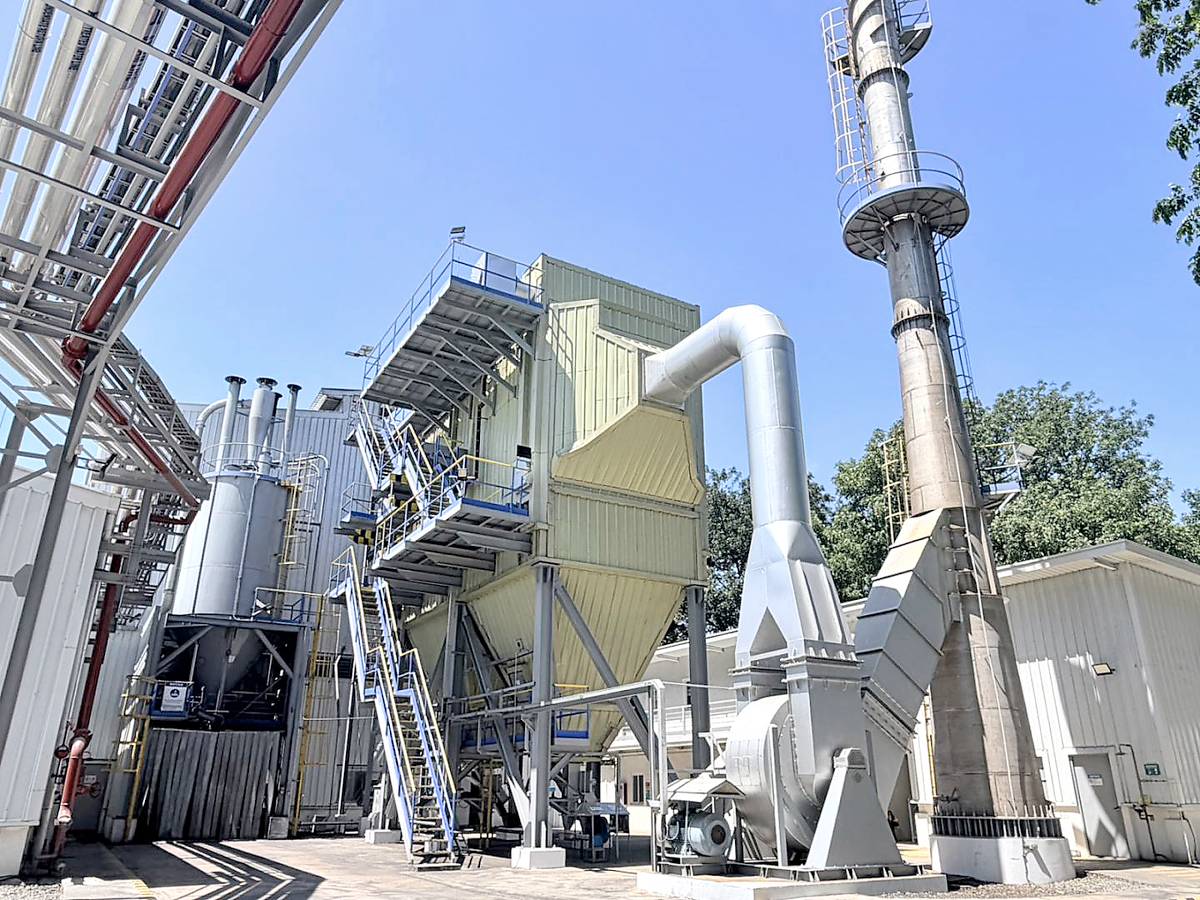
WOOD chips and other agricultural by-products sourced from Laguna farmers serve as fuel to power the biomass boiler.
PHOTOGRAPH COURTESY OF Nestlé PHILIPPINES
The initiative also aligns with national policy through Republic Act 11898 or the Extended Producer Responsibility (EPR) Act of 2022. The law, authored and sponsored by former Senator Cynthia Villar, requires large enterprises to manage the full lifecycle of their plastic packaging, including recovery, recycling, and proper disposal. It promotes circular economy practices by encouraging waste reduction, product redesign, and stronger recovery systems that reduce environmental impact.
By implementing recovery programs that match the plastic it places in the market, Nestlé Philippines contributes to the goals of the EPR law while supporting a broader shift toward circular production systems. The policy also strengthens cooperation between businesses, government agencies, and local communities in addressing plastic waste.
During the launch of the Cabuyao facility, Senator Camille Villar, chairperson of the Senate Committee on Environment, Natural Resources and Climate Change, highlighted the importance of scaling sustainable energy solutions.
“In a time of global uncertainty and climate urgency, the way we produce our energy and sustain our food systems will define the strength and future of our nation,” she said.
Villar added that continued support from both the public and private sectors is necessary for long-term impact, “as legislators and partners in nation-building, our role is to ensure that initiatives like this are supported, scaled, and sustained.”
Nestlé Philippines has also transitioned all its manufacturing facilities, offices and distribution centers to renewable electricity sourced from hydroelectric and geothermal power. Combined with its biomass investments and partnerships with energy providers, including BECIS, the company continues to diversify its energy sources while reducing dependence on fossil fuels.
With these developments, the Cabuyao biomass facility serves as part of a wider shift in industrial operations where sustainability is integrated into production systems, supply chains, and community engagement, supporting both environmental goals and long-term energy resilience in the country.