
Samsung profit jumps eightfold, hits $89 billion

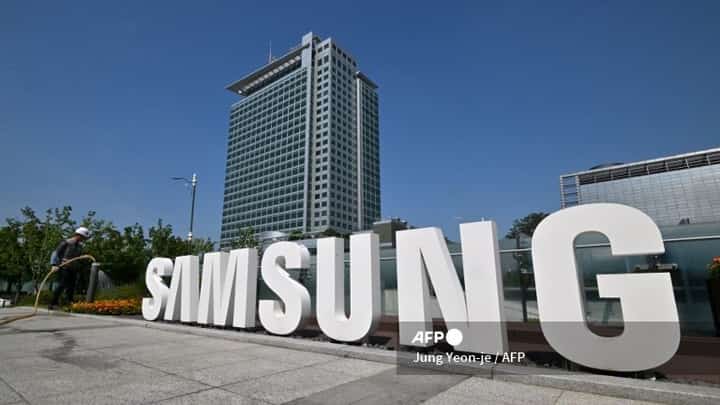
(FILES) A worker waters the flower garden next to the logo of Samsung Electronics at the company's headquarters in Suwon on 13 June 2023.
Jung Yeon-je / AFP
Samsung Electronics reported a record-breaking first-quarter performance, with operating profit surging more than eightfold year-on-year as strong demand for memory chips tied to artificial intelligence data centers drove earnings beyond expectations.
The South Korean tech giant posted $89.96 billion (133.9 trillion won) in revenue for the quarter ended March 31, 2026, slightly above market estimates. Operating profit climbed to $38.36 billion (57.2 trillion won), also surpassing forecasts and marking the company’s strongest quarterly result to date.
The company said profit jumped more than eightfold from a year earlier, while revenue rose about 70 percent, underscoring the scale of the recovery in its semiconductor business.
Samsung’s Device Solutions division, which includes memory chips and foundry operations, remained the main growth driver, posting $54.09 billion (81.7 trillion won) in revenue and $35.49 billion (53.7 trillion won) in operating profit. The unit accounted for the bulk of overall earnings, supported by higher chip prices and demand linked to artificial intelligence infrastructure.
The company said its memory business set new quarterly records, boosted by strong demand for high-bandwidth memory and other high-value products used in AI systems. It also cited early production and supply of advanced chips, including next-generation memory products for AI platforms.
Demand for server memory is expected to remain strong in the coming quarters as global tech firms expand AI infrastructure, while Samsung said it is preparing new product launches tied to upcoming processors and graphics chips.
Despite strong results, Samsung acknowledged ongoing competition in advanced memory technology, particularly in high-bandwidth memory used in AI computing. Industry data showed rival SK Hynix maintained a leading position in the segment in recent quarters.
Still, analysts noted that supply constraints and rising prices across the memory market continue to support margins across the industry, with Samsung benefiting from tight global availability.
Other divisions showed mixed performance. The mobile business posted steady results supported by premium smartphone sales, while display and consumer electronics units faced cost pressures and uneven demand.